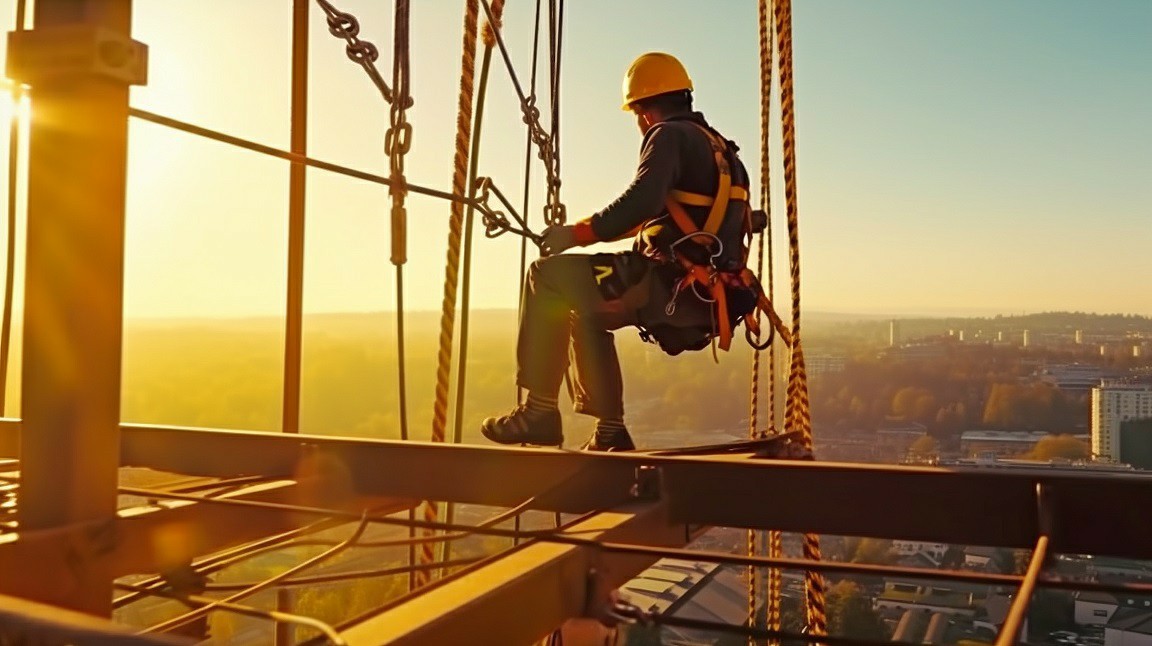
Harnessing Cutting-Edge Technology for Safer Working at Heights Training
In today's fast-paced work environment, ensuring safety, particularly when working at heights, is a top priority for businesses. With continuous advancements in technology, employers can leverage innovative tools to enhance the effectiveness of Working at Heights training. From smart helmets to AI-powered risk assessments, these technologies are transforming the landscape of workplace safety.
The Importance of Modern Safety Technologies
Traditional safety measures alone may no longer suffice in addressing the complexities of working at heights. The integration of advanced technology into safety training ensures:
- Enhanced situational awareness
- Real-time monitoring and compliance
- Proactive risk identification and mitigation
Smart Helmets: A Revolution in Safety Gear
One of the most impactful innovations in working at heights safety is the advent of smart helmets. These specialized helmets are equipped with:
- Augmented Reality (AR): Provides visual overlays for workers to navigate challenging tasks, improving situational awareness.
- Real-Time Monitoring: Tracks the worker's vitals and environmental conditions, alerting them to potential hazards.
For instance, construction companies utilizing smart helmets have reported a significant reduction in workplace accidents, leading to more compliant and safer job sites.
IoT Sensors: Continuous Monitoring for Enhanced Safety
Internet of Things (IoT) sensors play a crucial role in monitoring work environments. By placing sensors on fall protection equipment and surrounding environments, employers can:
- Receive real-time updates about equipment status.
- Monitor environmental factors that could contribute to accidents, such as wind speed and proximity to edges.
This technology allows for immediate responses to potential threats, thereby creating a safer workspace. For instance, sensors that detect a worker losing balance can trigger alarms or notifications.
AI-Powered Risk Assessments: Predicting Hazards Before They Happen
Artificial Intelligence (AI) is also making waves in Working at Heights Training. By analyzing vast datasets of past incidents, AI can:
- Identify patterns that precede accidents.
- Provide actionable insights to prevent similar incidents in the future.
Companies implementing AI-driven risk assessments can tailor their training programs based on insights derived from data, ensuring that workers are better prepared for the challenges they may encounter.
Virtual Reality Training: Immersive Learning Experiences
Another exciting technology is Virtual Reality (VR). VR training programs allow workers to:
- Experience realistic working environments without the inherent risks.
- Practice their skills in a controlled setting, making them more competent and confident when working at heights in real situations.
Studies show that immersive training leads to better retention of safety procedures and prepares employees to respond effectively under pressure.
Implementing These Technologies in Your Business
For businesses looking to adopt these innovative technologies, the following steps can create a robust safety training program:
- Assess Current Training Methods: Evaluate existing Working at Heights courses to identify gaps that technology can fill.
- Invest in Technology: Allocate budget for purchasing smart helmets, IoT sensors, and VR tools.
- Train the Trainers: Ensure that your training staff is proficient in using and teaching these technologies.
- Engage Workers: Foster a culture where workers feel empowered to provide feedback on technology efficacy and safety practices.
Conclusion: The Future of Working at Heights Safety
By integrating new technologies into Certified Working at Heights Training, businesses can significantly enhance workplace safety. Innovations such as smart helmets, IoT sensors, and AI-driven assessments not only improve training effectiveness but also lead to a culture of safety awareness among workers.
In light of growing workplace safety regulations, especially in places like Dublin, Cork, and Galway, staying ahead of the curve with these advancements is essential. To learn more about enhancing your Working at Heights Certification, reach out at [email protected] or visit Ireland Safety Training for more information.