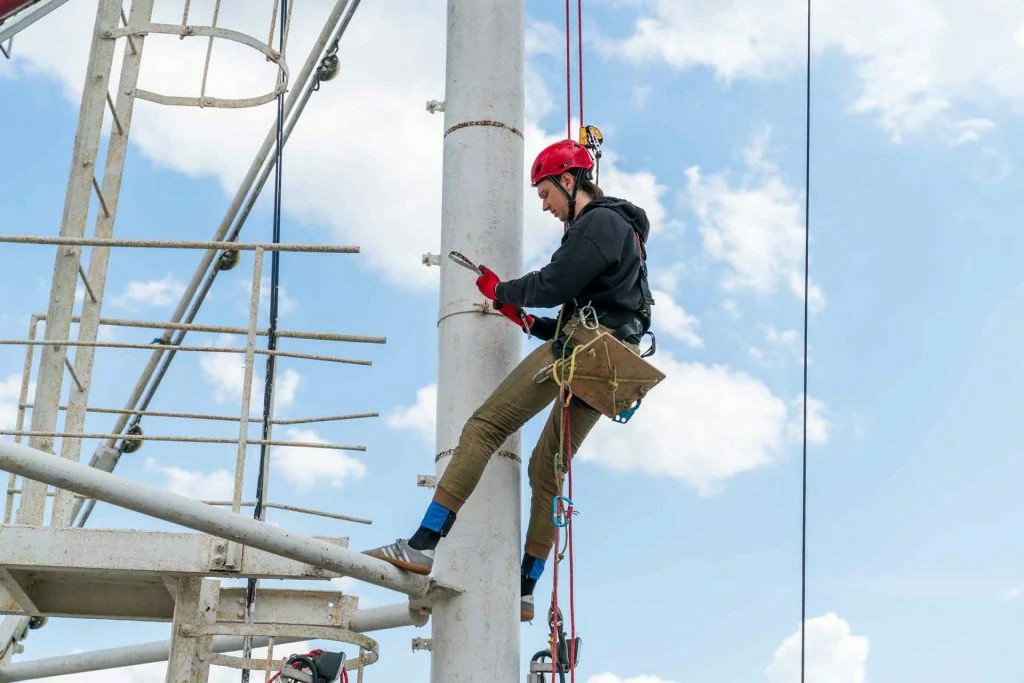
Harnessing Innovation: Transforming Working at Heights Training with Advanced Technologies
As industries evolve, the importance of safety, particularly in high-risk environments like working at heights, cannot be overstated. Traditional training methods are being swiftly augmented by advanced technological innovations that enhance both the effectiveness of Working at Heights training and the safety of workers. This blog explores how technologies such as smart helmets, IoT sensors, and AI-powered risk assessments are reshaping training courses and workplace safety.
The Necessity of Up-to-Date Training in Working at Heights
Working at heights involves inherent risks that can lead to serious accidents if not managed properly. Therefore, investing in a comprehensive Working at Heights safety course is essential for organizations that prioritize worker safety. With advancements in technology, businesses can now provide more effective and engaging training that not only meets compliance standards but also prepares employees for real-world scenarios.
Wearable Safety Devices: Smart Helmets
Smart helmets are one of the most significant innovations in safety gear for those working at heights. Equipped with features like:
- Real-time communication capabilities
- Built-in cameras for live feedback
- Augmented reality interfaces for enhanced training experiences
These devices allow workers to receive immediate instructions and guidance while in the field, reducing miscommunication and enhancing situational awareness. For example, a smart helmet can alert the wearer about potential hazards in their surroundings, thus preventing accidents before they occur.
IoT Sensors: Monitoring in Real-Time
Internet of Things (IoT) sensors are revolutionizing safety protocols in working environments. These sensors can:
- Monitor environmental conditions such as wind speed and temperature
- Detect falls and alert safety personnel immediately
- Track worker location to ensure safety compliance
Integrating IoT sensors into Working at Heights training courses helps organizations collect crucial data regarding safety practices and make informed decisions to improve workforce protection. For instance, real-time data from IoT devices can be used to adjust training simulations to reflect actual working conditions a trainee might face.
AI-Powered Risk Assessments
Artificial Intelligence (AI) is ushering a new era of risk assessments in workplace safety. By analyzing historical accident data and patterns, AI systems can:
- Identify potential hazards that might go unnoticed during manual assessments
- Predict when and where accidents are most likely to occur
- Generate tailored safety training programs that address specific risks
By implementing AI-driven assessments, companies can adopt a proactive approach to mitigating risks associated with working at heights, thus improving overall safety outcomes.
Utilizing Virtual Reality in Training
Another emerging technology making strides in Certified Working at Heights Training is Virtual Reality (VR). VR allows trainees to experience immersive simulations that mirror real-life scenarios they may encounter. This hands-on training approach provides benefits like:
- Safe environments to practice responses to potential fall situations
- The ability to train in various weather conditions without real-world risks
- Enhanced retention of safety protocols through experiential learning
Organizations that incorporate VR training report improved employee confidence and competence when working at heights. In addition, VR technologies can be adapted for Working at Heights Online Courses, providing flexible options for remote training.
Case Studies: Successful Implementations
Various companies have already begun to adopt these technologies, with impressive results. For example:
- Construction Company A integrated smart helmets on-site, resulting in a 50% reduction in safety incidents over six months.
- Utility Company B employed IoT sensors to gather real-time data, leading to the identification and correction of previously unnoticed hazards.
- Manufacturing Company C adopted VR training for new hires, yielding a significant enhancement in their safe working practices and confidence levels.
Implementation Strategies for Businesses
To successfully integrate these innovative technologies in your Working at Heights training, consider following these steps:
- Assess your current training programs to identify gaps and potential areas for technological enhancements.
- Research and select the technology that best fits your organization's needs and training objectives.
- Involve employees in demonstrations and onboarding of new systems to encourage acceptance and ease of transition.
- Continuously monitor the effectiveness of new technologies and adjust training methodologies accordingly.
By embracing these advanced safety technologies, businesses not only ensure compliance with Working at Heights Certification standards but also foster a safety-centric culture that prioritizes worker health and security.
Conclusion: The Path Toward a Safer Future
As technology continues to evolve, its role in workplace safety becomes even more crucial. Integrating smart helmets, IoT sensors, AI-driven assessments, and VR into Working at Heights safety courses not only enhances training effectiveness but also significantly contributes to reducing workplace accidents. If your organization is dedicated to fostering a safer environment for your team, now is the time to leverage these advancements in safety technology.
For more information and to start your training journey, visit our Working at Heights Course page or contact us at [email protected].