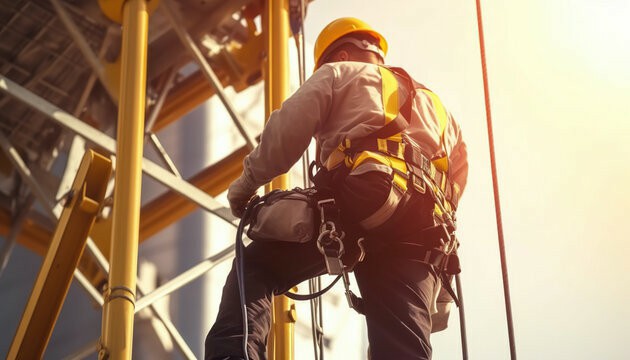
Innovating Workplace Safety: The Impact of Virtual Reality on Working at Heights Training
As the landscape of workplace safety evolves, organizations are rapidly adopting technology to enhance training effectiveness. Virtual Reality (VR) is at the forefront, revolutionizing the way Working at Heights training is delivered. By immersing learners in lifelike simulations, VR minimizes risks while maximizing educational outcomes. In this article, we will explore the transformative role of VR in Working at Heights certification and how it enhances safety protocols, reduces training costs, and offers an engaging learning experience.
The Necessity of Enhanced Working at Heights Training
Safety within high-risk industries is paramount. Traditional Working at Heights courses often fail to adequately prepare workers for the unpredictable nature of their environments. With falls being a leading cause of occupational injuries, it’s crucial to implement innovative training methods that foster real-world preparedness.
What is Virtual Reality?
Virtual reality is an interactive technology that creates a simulated environment, allowing users to experience scenarios as if they were real. This capability makes it an ideal tool for Working at Heights safety. Instead of passive learning, VR engages trainees in a hands-on manner, enabling them to navigate challenges typical of high-elevation work.
How VR Simulations Enhance Learning Retention
- Immersive Experience: Learners absorbed in a VR world can visualize and interact with their environment, leading to improved understanding and retention.
- Realistic Scenarios: Simulations replicate high-risk situations, allowing workers to experience the consequences of unsafe practices without real-world repercussions.
- Adaptive Learning: Trainees can revisit scenarios, modifying their approaches to reinforce learning until proficiency is achieved.
Providing Hands-On Experience in a Safe Environment
One of the most significant advantages of VR in Working at Heights training is the ability to practice skills in a controlled, risk-free environment. Participants can:
- Simulate Emergency Situations: VR allows trainees to respond to emergencies, developing crucial decision-making skills without the fear of injury.
- Familiarize with Equipment: Workers can become adept at using safety equipment like harnesses and lifelines, ensuring they are prepared for real-world applications.
- Learn from Mistakes: With VR, mistakes can be made and corrected in a safe space, helping individuals to learn effectively from their actions.
Reducing Training Costs with VR Technology
Implementing VR technology may seem like a large investment upfront; however, the long-term cost savings are significant. Consider the following benefits:
- Less Need for Physical Training Equipment: Virtual scenarios reduce the necessity for expensive real-life training gear and facilities.
- Time Efficiency: VR training can condense hours of in-person training into more efficient sessions, accelerating knowledge transfer.
- Reduction in Accidents and Injuries: Fewer workplace incidents translate to lower insurance costs and liability risk.
Integrating VR into Workplace Safety Programs
To harness the power of VR in Working at Heights safety courses, organizations can follow these steps:
- Assess Training Needs: Identify specific high-risk areas that require enhanced training.
- Choose the Right VR Solutions: Select software and hardware that align with your training objectives.
- Implement and Adapt: Start with pilot programs, collect feedback, and adjust the training modules accordingly.
Case Studies in VR-Based Working at Heights Training
Organizations worldwide are already reaping the benefits of VR for Working at Heights certification. For instance:
- Construction Firm: A leading construction company integrated VR training into their safety program and reported a 30% reduction in falls during the first year.
- Cable Company: A telecommunications provider used VR simulations to train their crews in emergency response, resulting in faster response times and fewer incidents.
The Future of VR in Working at Heights Training
The future of Working at Heights training is undeniably linked to advancements in technology. As VR continues to evolve, its applications in safety training will likely expand, giving workers even more comprehensive preparation for real-world challenges.
Conclusion: Embrace the Future of Workplace Safety
Virtual reality is reshaping the landscape of Working at Heights training, making it safer and more effective than ever before. The immersive experiences offered by VR not only enhance learning retention but also reduce training costs and provide hands-on experience in a safe setting. Organizations looking to elevate their safety training programs should consider integrating VR technology as a strategic advantage.
For more insights on Working at Heights courses and how to incorporate VR into your training, reach out to us at [email protected] or visit our website to learn more.