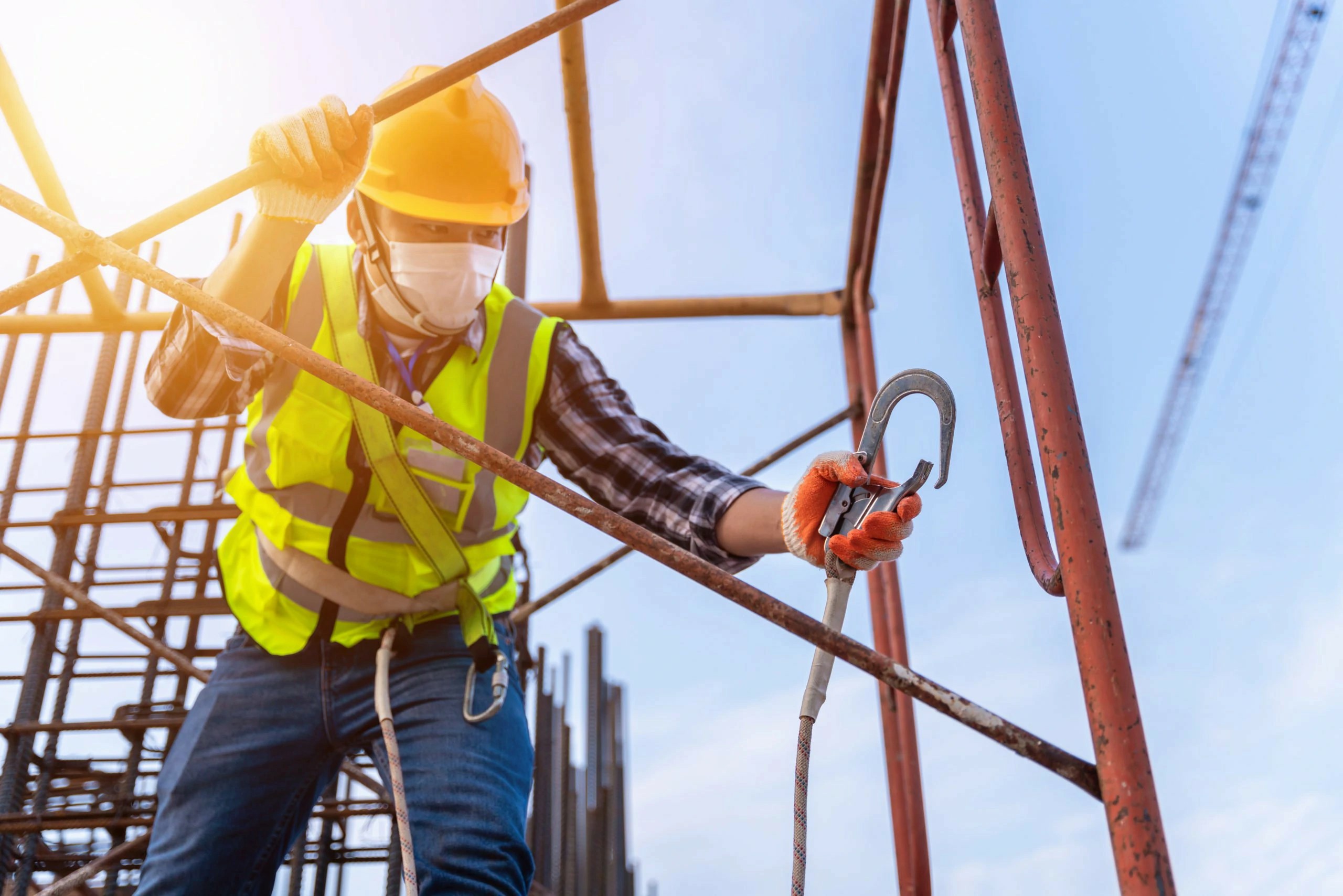
Innovative Technologies Reshaping Working at Heights Training for Safer Workplaces
In the ever-evolving landscape of workplace safety, especially in sectors involving Working at Heights, technological advancements play a pivotal role in enhancing training programs. As the risks associated with working at elevated levels remain significant, integrating innovative technologies into Working at Heights training has become essential for organizations looking to protect their workers.
The Importance of Modern Training Techniques
As industry standards evolve, so too should the methods used to train workers. Traditional training techniques, while still valuable, often lack the engagement and real-time feedback that modern workers require. By incorporating technology, organizations can create a safer learning environment that not only meets compliance needs but also fosters a culture of safety.
Key Innovations in Working at Heights Training
Below, we explore several cutting-edge technologies that are transforming Working at Heights training.
1. Smart Helmets
- Real-Time Monitoring: Smart helmets equipped with sensors can monitor the worker's surroundings and provide real-time alerts about potential hazards.
- Communication Tools: Many smart helmets come with integrated communication systems, allowing workers to stay connected without distraction.
- Data Collection: These helmets can collect data about the worker's performance and environmental conditions, which can be analyzed to improve safety protocols in future training.
2. IoT Sensors
- Wearable Safety Devices: IoT sensors are embedded in wearable devices such as vests or harnesses to continuously monitor vital signs and environmental factors, detecting signs of fatigue or distress.
- Fall Detection: Sensors can notify supervisors and emergency services in case of a fall, drastically reducing response time.
- Hazardous Condition Detection: IoT devices can track weather conditions and structural integrity, providing early warnings for workers at height.
3. AI-Powered Risk Assessments
- Predictive Safety Analysis: Utilizing AI, organizations can analyze historical data to forecast potential risks and adapt training programs accordingly.
- Customized Training Programs: AI can help in developing personalized training modules based on the unique needs and risk profiles of employees.
- Continuous Improvement: AI algorithms can identify patterns in accidents, leading to enhanced training practices and safety measures.
4. Virtual Reality (VR) Simulations
- Immersive Learning: VR creates a realistic simulation of working at heights, allowing trainees to practice in a safe, controlled environment.
- Engaging Training Experience: The interactive nature of VR keeps participants engaged, improving information retention.
- Scenario-Based Training: VR can simulate various scenarios, equipping workers with problem-solving skills for real-life situations.
Benefits of Integrating Technology into Working at Heights Training
Implementing these innovations in Working at Heights certification courses can bring about numerous benefits:
- Enhanced Engagement: Modern technology keeps workers engaged, making the learning experience enjoyable and effective.
- Improved Safety Outcomes: By using real-time data and predictive analytics, organizations can significantly reduce the likelihood of accidents.
- Increased Training Flexibility: With options such as the Working at Heights online course, training can be completed at a worker’s own pace, making it more accessible.
- Cost-Effectiveness: Reducing workplace accidents results in lower insurance premiums and less downtime, leading to substantial cost savings.
Best Practices for Implementing Technology in Training
To successfully integrate technology into your Working at Heights training, consider the following best practices:
- Assess Training Needs: Evaluate your workforce's requirements to tailor your technological investments.
- Invest in Quality Technology: Choose reliable and durable solutions that fit the specific needs of your training program.
- Provide Ongoing Support: Ensure that workers are comfortable using new technologies with ongoing training and support.
- Evaluate Training Outcomes: Regularly review and analyze the effectiveness of training techniques and make adjustments as necessary.
Real-World Examples of Technology in Action
Numerous organizations have successfully integrated these modern technologies:
- Company A: After implementing smart helmets, Company A reported a 30% reduction in safety incidents.
- Company B: Utilizing IoT sensors allowed Company B to monitor worker health continuously, leading to improved response times during emergencies.
- Company C: By adopting virtual reality training, Company C enhanced worker preparedness, resulting in fewer on-site accidents.
Conclusion
The integration of advanced safety technologies into Working at Heights training represents a significant step towards creating safer work environments. As companies continue to prioritize worker safety, leveraging tools like smart helmets, IoT sensors, and AI-driven assessments will not only meet compliance requirements but also foster a culture where safety is paramount.
For businesses looking to enhance their Working at Heights certification processes, explore available options such as the Working at Heights Course Online. Contact us at [email protected] for more details on how we can assist in making your workplace safer.