Master Workplace Safety: Your Guide to Online Manual Handling Certification in Ireland
In today's fast-paced work environment, ensuring the safety and well-being of employees is paramount. Manual handling, a common aspect of various professions ranging from warehouse operations to healthcare, poses significant risks if not handled correctly. Online Manual Handling Certification offers a comprehensive solution to equip employees with the necessary skills to lift and handle objects safely, ensuring compliance with legal standards and enhancing workplace efficiency.
The Importance of Manual Handling Training for Workplace Safety & Compliance
When it comes to workplace safety, understanding the nuances of manual handling is essential. Under Irish law, employers are required to provide adequate training to their staff to minimize the risks associated with manual handling tasks. This training is crucial not only for legal compliance but also for fostering a culture of safety within the workplace.
What is Manual Handling?
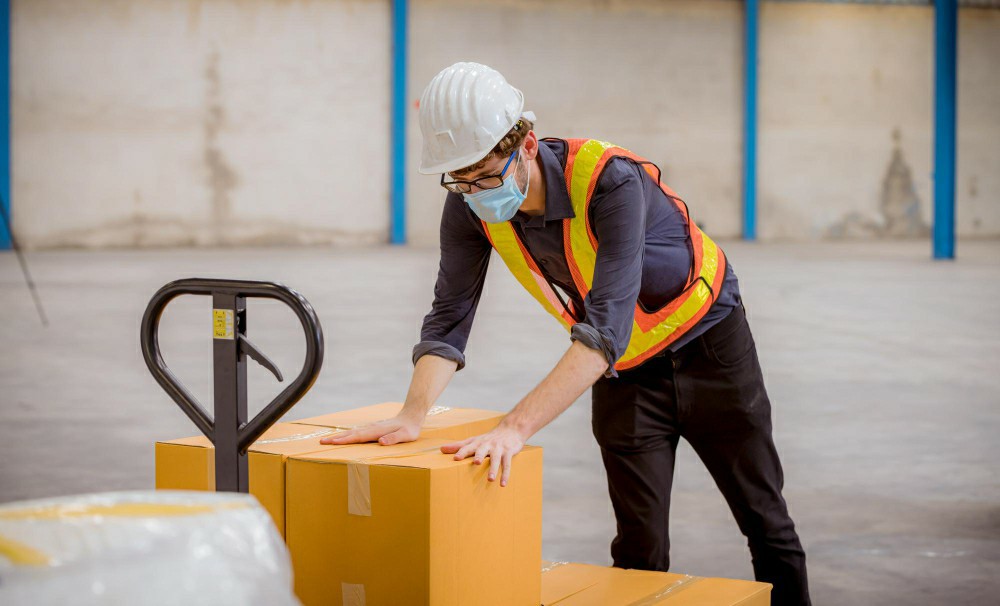
Manual handling involves various tasks that require employees to lift, carry, push, pull, or otherwise move objects by hand or bodily force. Common examples include:
- Lifting boxes in warehouses
- Transferring patients in healthcare settings
- Arranging furniture in offices
Legal Safety Requirements in Ireland
Employers in Ireland have a legal obligation to comply with the Safety, Health and Welfare at Work (General Application) Regulations. This includes conducting risk assessments, providing appropriate training, and ensuring that employees are equipped to perform manual handling tasks safely. Failure to comply can result in significant penalties and, more importantly, can jeopardize employee safety.
Best Practices for Safe Lifting & Injury Prevention in the Workplace
Implementing best practices for manual handling can significantly reduce the likelihood of workplace injuries. Some practical strategies include:
- Proper Lifting Techniques: Always bend your knees, keep your back straight, and lift using your legs rather than your back.
- Use Ergonomic Equipment: Where possible, use tools that assist in lifting and moving objects.
- Plan Your Lift: Assess the load and ensure that the path is clear before lifting.
The Benefits of Online Manual Handling Certification for Employees & Employers
Opting for online manual handling training comes with numerous advantages, especially in today’s busy work environment:
- Flexibility: Employees can complete the training at their own pace and convenience, reducing disruptions to their work schedules.
- Cost-Effective: Online courses often come at a lower price point than traditional classroom training, saving companies money.
- Consistent Learning Experience: All employees receive the same quality of training, ensuring that standards are maintained across the board.
How to Get Certified in Manual Handling Online: A Step-by-Step Guide
Getting your Manual Handling Certification online is a straightforward process that enhances workplace safety:
- Choose a Reputable Provider: Look for recognized institutions offering accredited online courses.
- Enroll in the Course: Complete the registration process to access course materials.
- Complete the Training Modules: Engage with the content, ensuring that you understand safe manual handling practices.
- Pass the Assessment: Successfully complete the assessment to obtain your certification.
- Receive Your Certification: Once you pass, you will receive your certification, which can be printed or downloaded.
Why Online Manual Handling Training is More Effective & Cost-Saving
The rise of online educational platforms has transformed how employees are trained. Here’s why online manual handling training is often preferred:
- Self-Paced Learning: Employees can learn at their own speed, ensuring better retention of information.
- Accessible Anytime, Anywhere: Training can be accessed from any device, making it easier for remote teams or flexible working arrangements.
- Regular Updates: Course content can be frequently updated to reflect the latest best practices and legal requirements.
Common Workplace Injuries & How Manual Handling Training Helps Prevent Them
Many workplace injuries stem from improper manual handling techniques. Some of the most common injuries include:
- Back injuries
- Strains and sprains
- Musculoskeletal disorders
By undertaking proper training, employees learn effective techniques for lifting and moving objects, significantly reducing their risk of these injuries.
Best Practices for Safe Manual Handling Across Different Industries
Different sectors may require tailored approaches to manual handling:
- Healthcare: Proper patient handling techniques are essential to prevent injury to both staff and patients.
- Construction: Workers must be trained to lift heavy materials safely and use appropriate equipment.
- Warehousing: Emphasizing teamwork and mechanical aids can greatly reduce individual strain.
Conclusion & Call to Action
Investing in online Manual Handling Certification is not just a legal obligation; it’s a commitment to your employees' safety and well-being. By providing your workers with the skills and knowledge they need, you create a safer, more efficient workplace. Don't wait until an accident happens. Enroll in your Manual Handling training course online today and take the first step towards enhanced workplace safety!
For more information or to register, contact us at [email protected].