Mastering Abrasive Wheels: Safety, Certification, and Risk Management in Ireland
Abrasive wheels are essential tools in various industries, including construction, metalworking, and manufacturing. Understanding their functionality, associated risks, and the importance of safety can significantly improve workplace safety. This guide covers everything from the definition of Abrasive Wheels to certification processes, common hazards, and legal requirements in Ireland.
What Are Abrasive Wheels?
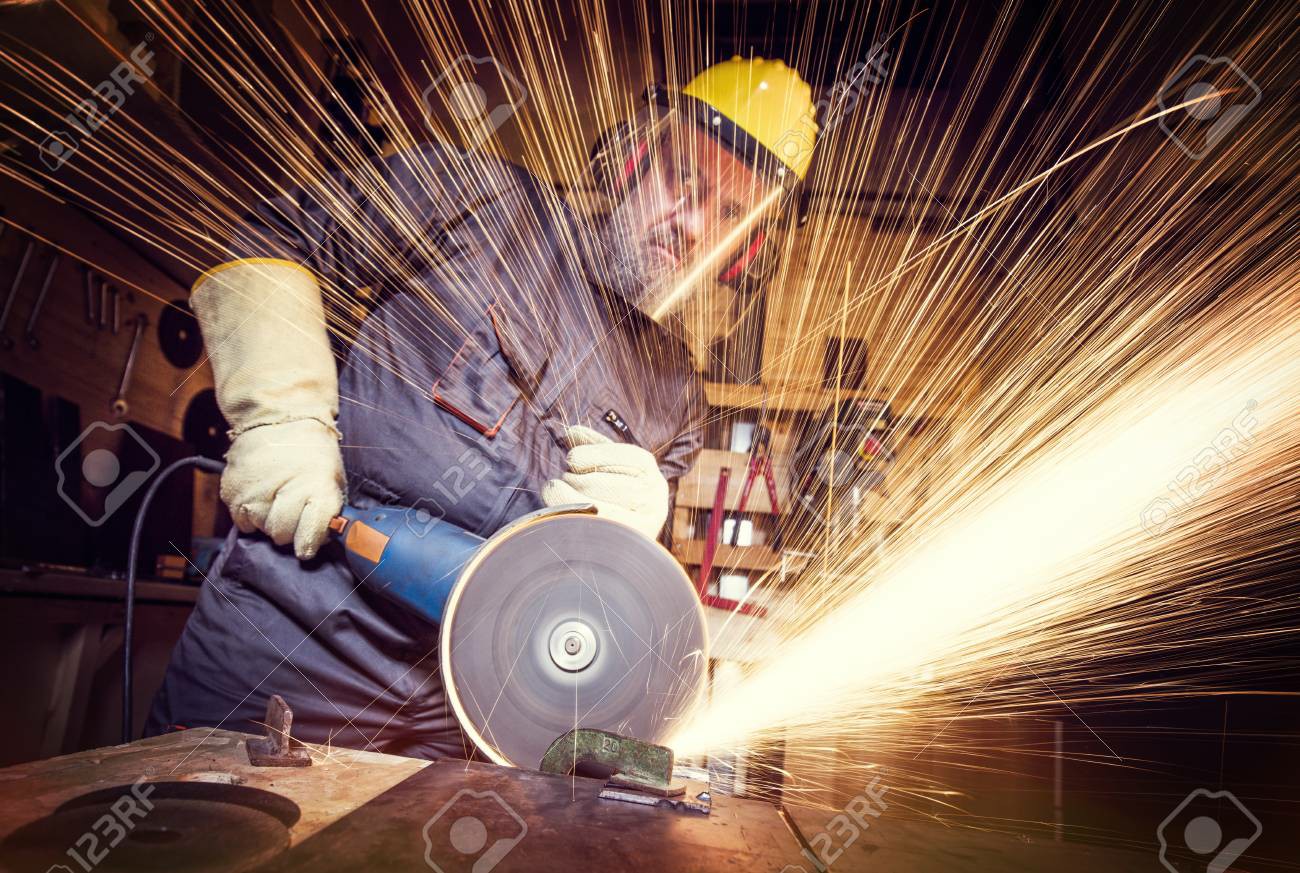
Abrasive wheels are circular tools designed to grind, cut, or shape materials through friction. Constructed from a hard abrasive material, these wheels can be found in various settings, including construction sites, workshops, and manufacturing plants. Their primary applications include:
- Grinding metal surfaces
- Cutting materials such as concrete and stone
- Finishing and polishing items
Types of Abrasive Wheels
Abrasive wheels come in numerous types, tailored for different applications. Some of the most common include:
- Straight Wheels: Used for general grinding operations.
- Cutoff Wheels: Ideal for slicing and cutting through metal and other materials.
- Cup Wheels: Primarily used for grinding and finishing—particularly in hard-to-reach areas.
- Flap Discs: Versatile options for grinding, blending, and finishing surfaces.
Common Risks Associated with Abrasive Wheels
While abrasive wheels are valuable tools, they present certain hazards. Understanding these risks is vital for fostering a safe working environment:
- Wheel Breakage: Improper installation or use can lead to catastrophic failures.
- Exposure to Noise: Prolonged use may result in hearing loss.
- Abrasive Dust: Inhalation can lead to respiratory issues.
- Lack of Personal Protective Equipment (PPE): Not using proper PPE can result in serious injuries.
Legal Requirements and Compliance
In Ireland, specific regulations must be followed to ensure the safe use of abrasive wheels. Employers are required to comply with the Safety, Health and Welfare at Work Act, which includes:
- Conducting risk assessments for the use of abrasive wheels.
- Providing adequate training and information to workers.
Abrasive Wheels Training and Certification
Obtaining an Abrasive Wheels Certificate is crucial for compliance and safety. Training is offered across various locations, including:
- Abrasive Wheels Training Dublin
- Abrasive Wheels Training Cork
- Abrasive Wheels Certification Galway
- Abrasive Wheels Safety Course Limerick
- Abrasive Wheels Certification Waterford
Participants learn about:
- The safe handling and use of abrasive wheels.
- Identifying hazards and conducting risk assessments.
- Legal obligations and best practices for compliance.
The Certification Process
Achieving certification typically involves:
- Completing an approved Abrasive Wheels Course.
- Passing a practical assessment, demonstrating safe abrasive wheel operation.
- Receiving a certification upon completion, which is recognized across workplaces in Ireland.
Enhancing Workplace Safety
Obtaining an Abrasive Wheels Certificate significantly enhances workplace safety by:
- Equipping employees with necessary skills to handle tools safely.
- Reducing the likelihood of accidents and injuries.
- Ensuring compliance with legal regulations, thereby minimizing potential penalties.
Improving Career Opportunities
Certification not only bolsters workplace safety but also opens career opportunities. Professionals with an Abrasive Wheels Certificate are often favored in job markets across Dublin, Cork, Galway, and Limerick due to their demonstrated commitment to safety and compliance.
Conclusion
Safety first: If you work with abrasive wheels, consider enrolling in a certified Abrasive Wheels Course to enhance your skills and comply with Irish safety regulations. Together, let’s make workplaces safer across Ireland.
For more information on training options, contact us at [email protected].