


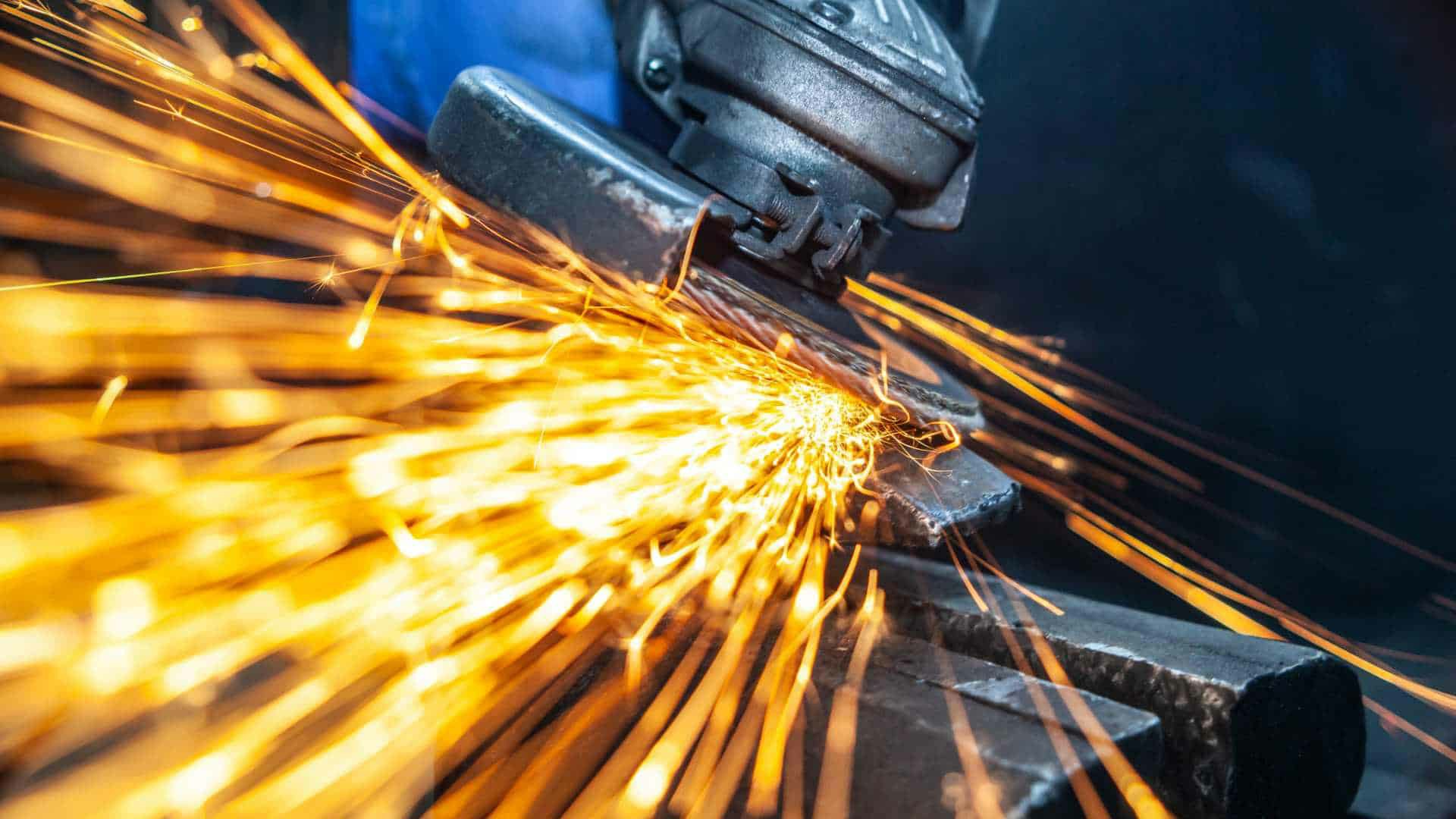
Mastering Abrasive Wheels: Types, Applications, and Essential Safety Practices
Abrasive wheels play a critical role in various industries, offering versatility and efficiency in tasks ranging from cutting to polishing. Understanding the different types of abrasive wheels, their applications, and the associated risks is vital for ensuring safety in the workplace.
Types of Abrasive Wheels
-
1. Grinding Wheels
Grinding wheels are used to grind metals and are typically made of abrasive particles bonded together. They come in various sizes and are used in numerous applications.
-
2. Cutting Wheels
Cutting wheels are specifically designed for making cuts in materials like metal and stone. They are thinner than grinding wheels and provide quick operation.
-
3. Polishing Wheels
Polishing wheels are used for finishing surfaces. They help achieve a shiny, smooth surface on metals and are typically used in automotive and manufacturing industries.
Abrasive Wheels Applications
Abrasive wheels are utilized across multiple sectors:
- Construction: For cutting and grinding bricks and stones.
- Automotive: Essential for engine repairs and modifications.
- Manufacturing: Utilized in the production of various metal components.
- Metalworking: Used for sharpening tools and blades.
Specific Risks Associated with Abrasive Wheels
Despite their utility, abrasive wheels carry inherent risks:
- Wheel Breakage: Improper mounting or excessive pressure can lead to wheel failure, potentially causing severe injuries.
- Overheating: Can result from excessive pressure and may lead to accidents or injuries due to sudden wheel failures.
- Kickback: The sudden movement of the tool can cause serious harm if precautions are not taken.
- Dust and debris: Can obstruct vision and lead to inhalation hazards.
Preventing Accidents Through Proper Training
Ensuring safe handling of abrasive wheels requires proper training and compliance with Irish safety regulations. Here’s how:
- Comprehensive Training Programs: Enrol in Abrasive Wheels Course in Dublin or equivalent in other major cities like Cork and Galway to understand the specific operational risks and best practices.
- Regular Safety Audits: Employers should conduct regular audits to ensure compliance with safety standards and operational procedures.
- Use of Safety Equipment: Always wear appropriate personal protective equipment (PPE) to minimize the risk of injury.
- Certification in Abrasive Wheels: Acquiring Abrasive Wheels Certification in Ireland can significantly boost workplace safety and compliance.
Conclusion
Understanding the different types of abrasive wheels and their safe handling is crucial for professionals working in various industries across Ireland. Strong training programs, such as those available in Dublin, Cork, Galway, Limerick, and Waterford, can further enhance compliance and workplace safety. Act now to ensure your skills are up to date by enrolling in a Certified Abrasive Wheels Training.
For more information on training courses, please contact us at [email protected].



































