Mastering Abrasive Wheels: Types, Applications, and Safety Protocols Across Ireland
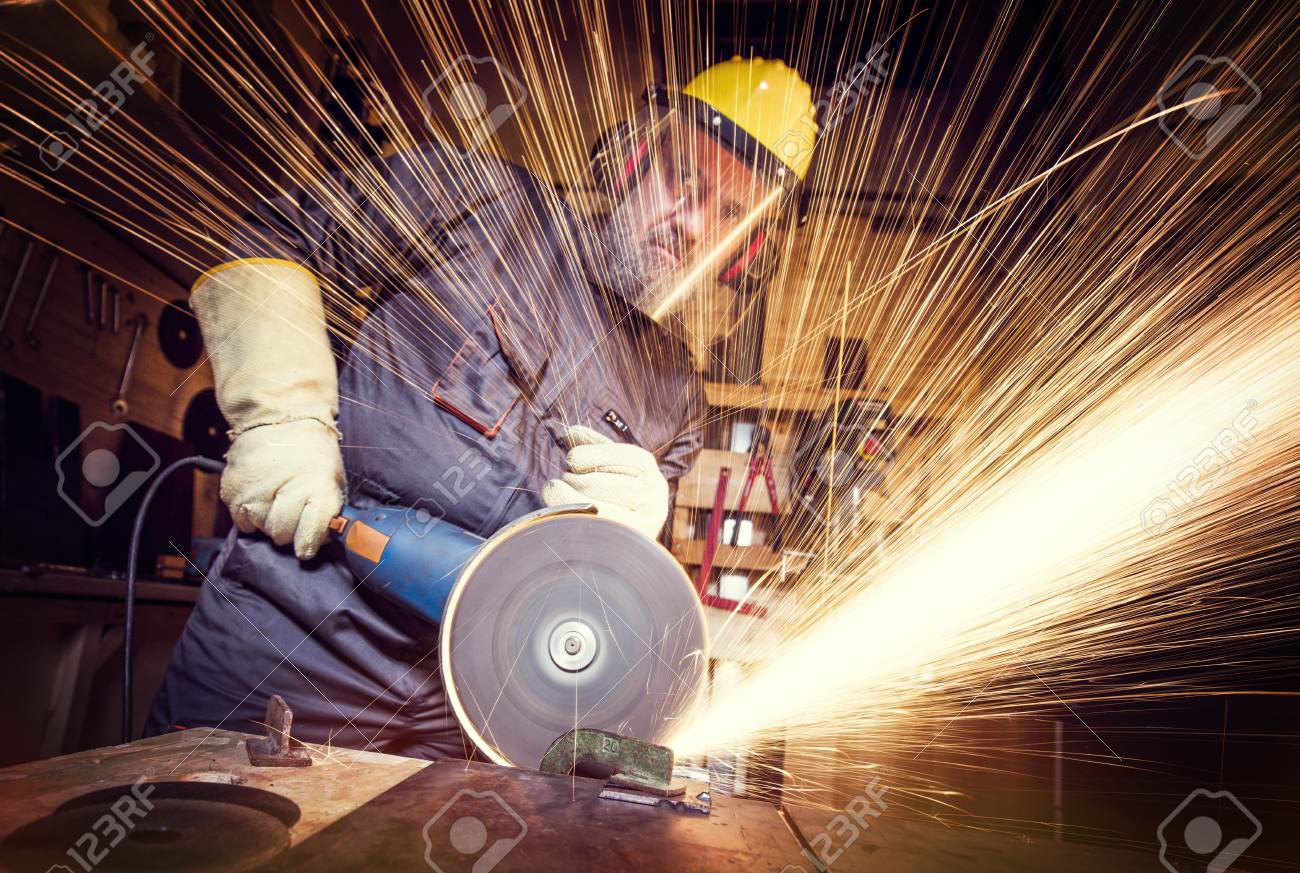
Abrasive wheels are critical tools in various industrial sectors, ensuring efficiency and precision in cutting, grinding, and polishing materials. Understanding the different types of abrasive wheels and their specific applications is essential for maintaining workplace safety and achieving optimal results.
1. Types of Abrasive Wheels
Abrasive wheels are categorized primarily into three types, each designed for specific tasks:
- Grinding Wheels: Used for grinding, shaping, and finishing metals and other materials, grinding wheels are composed of abrasive particles bonded to a wheel or disk. They come in various shapes and sizes to suit specific applications in the manufacturing and construction industries.
- Cutting Wheels: These wheels are designed to slice through hard materials such as metal and concrete. Typically thinner than grinding wheels, cutting wheels provide precision cuts while minimizing material loss.
- Polishing Wheels: Used for finishing surfaces and achieving a high gloss, polishing wheels are often used in automotive and metalworking applications. They smooth surfaces by using fine abrasives and are essential for achieving professional-grade finishes.
2. Applications of Abrasive Wheels
Each type of abrasive wheel has distinct applications across various industries:
- Construction: Cutting and grinding wheels are frequently used in construction settings for tasks like cutting steel bars, removing concrete, and preparing surfaces for further treatment.
- Metal Fabrication: Grinding wheels play a crucial role in shaping metal components, while cutting wheels are essential for creating precise cuts in metal sheets.
- Automotive: In the automotive industry, polishing wheels are integral for restoring the shine on vehicle surfaces, whereas grinding wheels are used for machining parts.
3. Specific Risks Associated with Abrasive Wheels
Despite their effectiveness, abrasive wheels pose several safety hazards that must be managed:
- Wheel Breakage: Improper handling or the use of unsuitable wheels can lead to catastrophic wheel failures, posing serious risks to operators.
- Overheating: Excessive heat generated during use can damage the wheel, the workpiece, and even result in burns to the operator.
- Improper Mounting: Failing to mount abrasive wheels correctly can lead to misalignment and imbalance, increasing the risk of accidents.
4. Preventing Accidents Through Proper Training
Proper training and certification are critical in ensuring safe handling of abrasive wheels. Consider the following:
- Certification Programs: Enrolling in a certified Abrasive Wheels Training course in Dublin, Cork, Galway, Limerick, Waterford, or other major cities can equip workers with the skills necessary to operate these tools safely.
- Regular Refresher Courses: Ongoing education can keep employees updated on safety protocols and emerging technologies.
- Practical Training: Hands-on training not only enhances knowledge but also builds confidence in using abrasive wheels correctly.
5. Conclusion
Understanding the various types of abrasive wheels, their applications, and the risks associated with their use is vital for safety in the workplace. Proper training can significantly reduce the likelihood of accidents, ensuring compliance with Irish safety regulations. Consider enrolling in an Abrasive Wheels Training Course today to enhance your skills and contribute to a safer working environment.
Contact Us
If you’re interested in certified abrasive wheels training or have any questions, feel free to reach out at [email protected].