Mastering Manual Handling: Essential Skills for Workplace Safety
In today's fast-paced work environment, understanding proper manual handling techniques is crucial for health and safety. Workplace injuries caused by improper lifting or handling techniques can lead to significant downtime and costs for businesses. This blog post will delve into the foundational skills taught in our manual handling course, emphasizing the need for safety and compliance in the workplace.
The Importance of Manual Handling Training
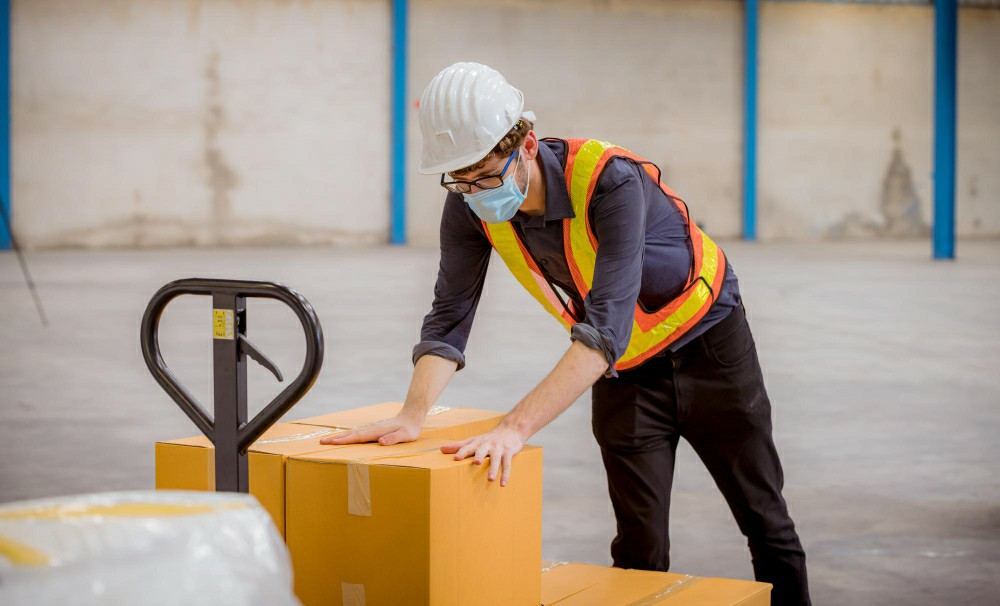
Manual handling refers to any activity that requires the use of physical force to move, lift, lower, push, pull, or carry objects. According to the Health and Safety Authority (HSA) in Ireland, improper manual handling is one of the leading causes of workplace injuries. Proper training can prevent these injuries, reduce absenteeism, and ensure a safer work environment.
Key Components of Our Manual Handling Course
- Handling Theory: Understanding the principles of safe lifting techniques, body mechanics, and ergonomics.
- Risk Assessment: Learning how to evaluate workplace hazards, assess risks related to manual handling tasks, and implement control measures.
- Practical Handling Techniques: Hands-on training in correct lifting, carrying, and setting down of objects to minimize the risk of injury.
- Legal Responsibilities: Understanding the legal implications surrounding manual handling and employee safety.
- Online Learning Flexibility: Training available online provides convenience and flexibility for busy professionals.
Benefits of Online Manual Handling Courses
One of the standout features of our manual handling certificate online program is its accessibility. Here's why online training is beneficial:
- Convenience: Access course materials at any time, allowing you to learn at your own pace.
- Cost-Effective: Save on travel and time off work while obtaining necessary certifications.
- Engaging Content: Our courses incorporate interactive elements and real-world scenarios to enhance learning.
Certification Process
Once you complete the manual handling course online, you'll receive a manual handling cert that demonstrates your proficiency in safe handling techniques. The certification process includes:
- Assessment: A short quiz to test your knowledge.
- Practical Application: Submit video evidence of your handling techniques to qualify for certification.
- Certification Issuance: Upon successful completion, you'll receive a manual handling certificate online that can be shared with employers.
Practical Applications and Safety Measures
Incorporating safe manual handling practices in everyday work can lead to improved workplace culture and lower injury rates. Here are some practical applications:
- Always assess the weight and size of the object before lifting.
- Use assistive devices whenever possible to reduce the physical strain.
- Engage your core muscles and keep the load close to your body when lifting.
- Communicate with colleagues when lifting heavy or awkward items.
Conclusion
Investing in a manual handling course is a win-win for both employees and employers. By prioritizing safety and compliance through rigorous training, workplaces become safer, more efficient, and healthier. If you're searching for manual handling near me, look no further than Irish Manual Handling Ltd., offering comprehensive online courses tailored to meet your needs.
For more information, contact us at [email protected].