Mastering Manual Handling Techniques: Ensuring Safety and Compliance in Irish Healthcare
In the dynamic world of healthcare, professionals face unique challenges, particularly in maintaining safety during manual handling tasks. Without proper training, the risk of injury—both for the worker and the patient—can increase significantly. This is where manual handling techniques training plays a vital role, especially for industries like nursing and healthcare.
What are Manual Handling Techniques?
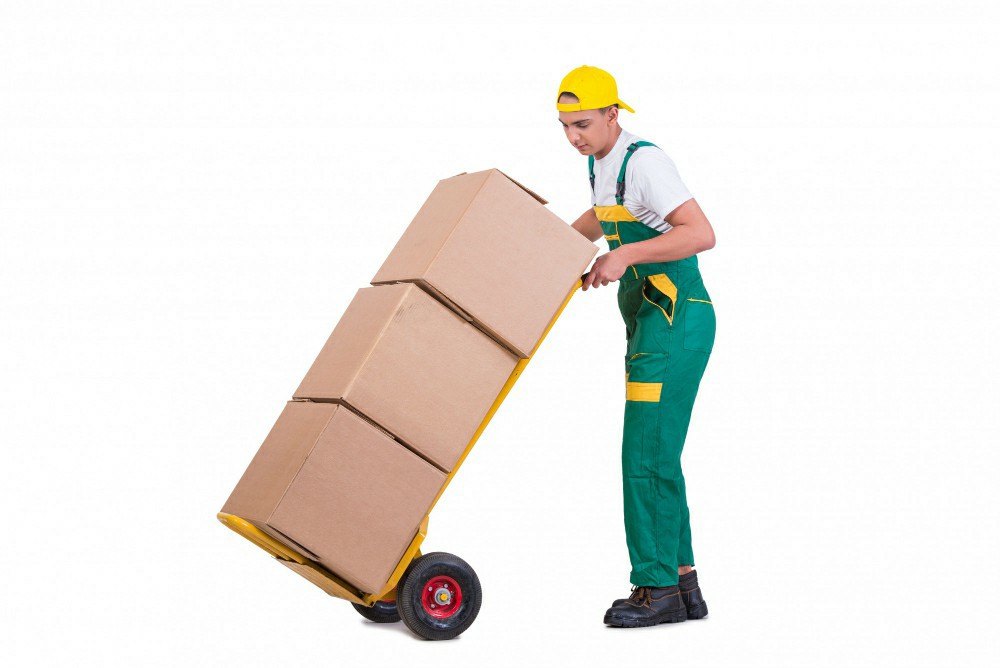
Manual handling techniques consist of strategies and approaches aimed at moving and supporting individuals safely. This training is essential for healthcare workers who frequently engage in tasks such as:
- Assisting patients in changing positions
- Transferring individuals between beds and wheelchairs
- Lifting and carrying medical equipment
The Importance of Manual Handling Techniques Training
Effective manual handling techniques training is paramount for several reasons:
- Injury Prevention: Proper techniques minimize the risk of injuries like back strain, musculoskeletal disorders, and other physical ailments.
- Patient Safety: Using the correct handling techniques ensures that patients are moved safely, reducing the risk of falls and further injuries.
- Compliance with Regulations: Adhering to health and safety legislation in Ireland is vital. Certification ensures your facility is compliant with workplace requirements.
Key Components of a Manual Handling Techniques Course
A comprehensive manual handling techniques course covers several critical areas:
1. Handling Theory
Understanding the principles of manual handling is the foundation of safe practices. Topics include:
- The biomechanics of lifting
- Understanding body mechanics
- Identifying common risks in healthcare settings
2. Risk Assessment
A crucial aspect of manual handling is learning how to assess risks associated with particular tasks. This section enables healthcare professionals to:
- Evaluate the weight and condition of the patient
- Consider environmental factors that may impact safety
3. Practical Handling Techniques
The course also includes hands-on training, where participants practice the manual handling techniques they’ve learned. This encompasses:
- Safe lifting practices
- How to use assistive devices properly
- Team-lifting strategies for heavier patients
Benefits of Online Manual Handling Techniques Training
With the rise of digital learning, options for manual handling techniques online courses have become increasingly popular. Key benefits include:
- Flexibility: Learn at your own pace and at times that suit your schedule.
- Accessibility: Online training can be accessed from anywhere, making it easy for healthcare workers in remote areas to participate.
- Cost-Effectiveness: Often more affordable than in-person training sessions.
Certification Process
After completing the course, participants typically undergo a certification process to validate their training. This includes:
- Assessment of knowledge through quizzes or practical demonstrations
- Issuance of a certified manual handling techniques certification upon successful completion
Conclusion
Investing in certified manual handling techniques training is not only a requirement but a responsibility for healthcare professionals in Ireland. By mastering proper manual handling techniques, you not only ensure your safety but also enhance the care provided to patients. Whether you choose an in-person course or an online manual handling techniques course, make sure to prioritize this essential training.
For more information on our certified manual handling techniques training, or to enroll, contact us at [email protected].