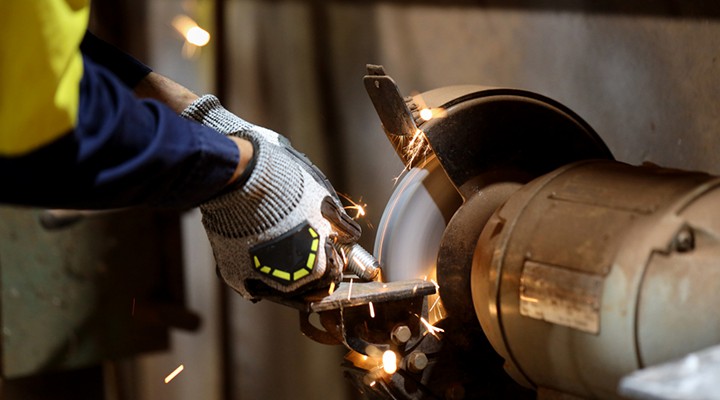
Mastering Safety: Navigating Risks Associated with Abrasive Wheels through Effective Training
Abrasive wheels are indispensable tools in many industries, from metalworking to construction. While they serve essential purposes, the improper use of abrasive wheels can lead to severe injuries or fatalities. This blog will discuss common safety risks associated with abrasive wheels and emphasize the importance of proper training in preventing accidents.
Understanding the Safety Risks of Abrasive Wheels
Abrasive wheels can pose several hazards. Understanding these can help you identify risks and implement preventive measures:
- Wheel Breakage: One of the most significant risks is the potential for the wheel to break apart during operation. When this happens, pieces can fly off at high speeds, injuring operators or nearby workers.
- Incorrect Mounting: Improper installation of an abrasive wheel can lead to instability, heat buildup, or even an explosion. It’s crucial to ensure the wheel is mounted correctly and securely.
- Inadequate Personal Protective Equipment (PPE): Many accidents occur due to the absence or improper use of PPE, such as safety goggles, gloves, and dust masks.
- Improper Usage: Users often overlook manufacturer guidelines, such as speed limitations and usage techniques, putting themselves at risk.
- Lack of Maintenance: Failing to regularly inspect and maintain tools can lead to equipment failure during operations, increasing the likelihood of accidents.
The Value of Abrasive Wheels Training
The best way to mitigate these risks is through comprehensive training. Here's why:
- Identifying Hazards: Trained individuals can better recognize potential risks before beginning any job. Their awareness can prevent accidents.
- Correct Use of Equipment: Training emphasizes the importance of selecting the correct type of abrasive wheel for a specific task, alongside proper mounting and operating procedures.
- Utilizing PPE: A well-structured course will outline the importance and proper use of PPE, ensuring that workers are adequately protected.
- Emergency Response Awareness: Training prepares employees to respond appropriately to accidents or equipment failures, potentially minimizing injury severity.
Case Studies: Accidents Prevented by Training
Here are real-life examples illustrating how effective training made a difference:
Case Study 1: A Laboratory Incident
In a manufacturing laboratory, an employee was about to mount an abrasive wheel without checking its compatibility with the machine. Fortunately, the operator had recently undertaken an Abrasive Wheels Course that covered the importance of wheel selection. They verified the wheel's specifications and avoided a potential disaster.
Case Study 2: Construction Site Safety
During a construction project, workers were using hand-held grinders equipped with abrasive wheels. A recent Abrasive Wheels Safety Course had helped them recognize the signs of wheel wear and the need for regular inspections. Due to this training, they avoided using a compromised wheel, preventing a possible injury.
Best Practices for Ensuring Safety
To uphold safety standards, consider these best practices:
- Regular Training: Offer periodic refresher courses to keep employees informed about the latest safety practices.
- Routine Equipment Checks: Implement a schedule for inspecting and maintaining abrasive wheels and associated machinery.
- Encourage Open Dialogue: Foster a culture where employees feel comfortable reporting safety concerns.
- Documentation: Keep records of training sessions, equipment maintenance, and any incidents to review safety protocols continually.
Conclusion
In conclusion, abrasive wheels are vital tools but come with inherent safety risks. Proper training can significantly reduce the likelihood of accidents, ensuring a safer workplace. Investing in certified abrasive wheels training is not just a legal requirement but a moral one. Organizations must prioritize safety to protect workers and create a culture of responsibility.
For businesses in Dublin, Cork, and Galway looking to enhance their training programs, consider subscribing to our Abrasive Wheels Course Online today. Your team’s safety is our priority!
For more information, feel free to reach out to us at [email protected].