


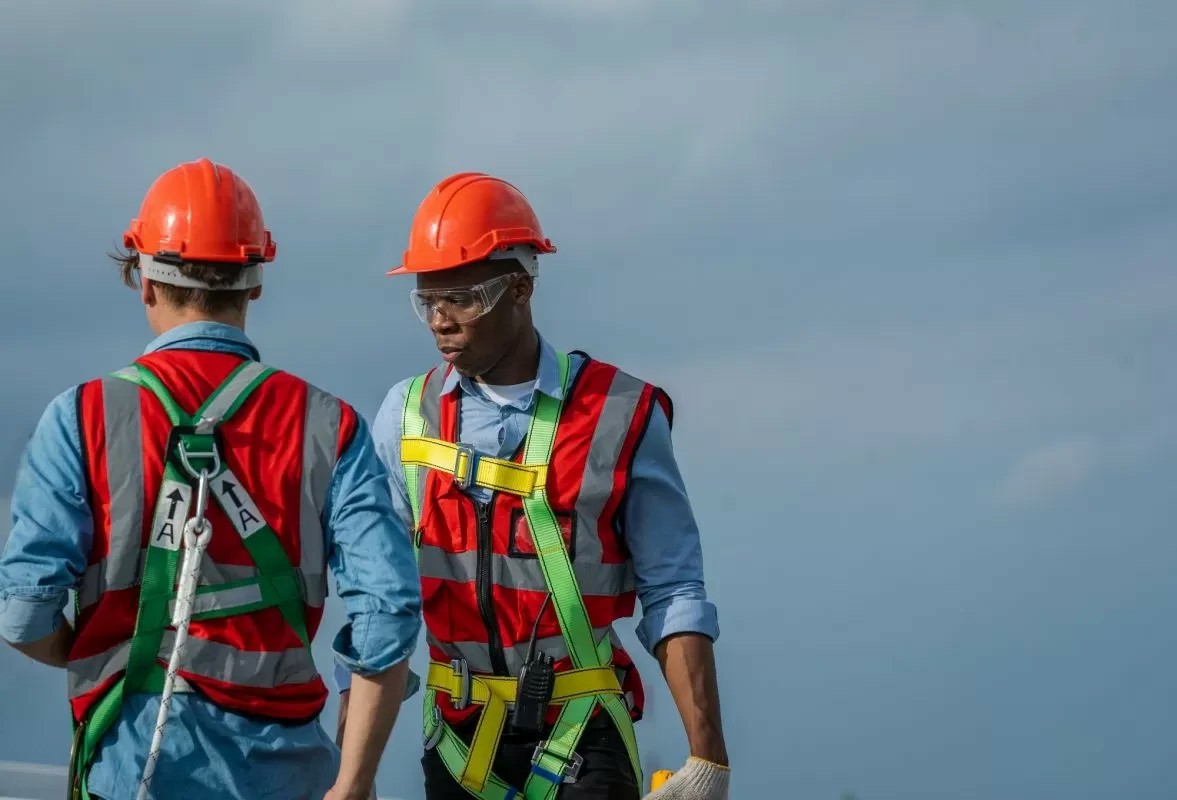
Mastering Safety: The Essential Gear for Working at Heights Everyone Should Have
Working at heights presents significant risks that can lead to severe injuries or fatalities. The Occupational Safety and Health Administration (OSHA) emphasizes the importance of safety gear to protect workers engaged in elevated tasks. In this comprehensive guide, we’ll explore essential safety equipment, proper usage methods, and maintenance practices necessary for safe working at heights.
Why Safety Gear is Essential for Working at Heights
In any industry involved in height work, the right safety equipment is crucial. Falls from heights are one of the leading causes of workplace injuries and fatalities. Using appropriate safety gear not only helps in compliance with safety regulations but, most importantly, protects the lives of workers.
1. Safety Harnesses
Safety harnesses are a fundamental piece of safety equipment for anyone working at heights. They are designed to arrest a fall and distribute the force of the fall across the body, minimizing the risk of injury.
- Proper Usage: Ensure that the harness fits properly and is donned before beginning work. Always attach the harness to a secure lanyard or lifeline.
- Types of Harnesses: There are several types including full-body harnesses, which provide maximum support and allow for settling securely during a fall.
Maintenance Tips for Harnesses
- Inspect your harness before each use for any signs of wear or damage.
- Store harnesses in a cool, dry place away from direct sunlight.
- Follow manufacturer’s guidelines for cleaning and maintenance.
2. Lanyards
Lanyards are used to connect the worker's harness to a secure anchor point. They play a vital role in fall protection systems.
- Proper Usage: Ensure that the lanyard length is suitable for the job being performed. The lanyard should not allow the worker to fall beyond a safe distance.
Maintenance Tips for Lanyards
- Check for frays, cuts, or tears before each use. Discard lanyards that show signs of damage.
- Keep lanyards free from contaminants, such as oils or chemicals.
3. Anchor Points
Anchor points secure safety harnesses and lanyards, providing the necessary support to prevent falls.
- Proper Usage: Ensure anchor points are load-rated and secured to a structure capable of withstanding forces from a fall.
Maintenance Tips for Anchor Points
- Check anchor points for integrity and stability regularly.
- Avoid using damaged anchor points, and report any issues immediately.
4. Helmets
Hard hats are essential for protecting the head from falling objects or impacts.
- Proper Usage: Always wear your hard hat when on a job site. Ensure that it fits snugly and covers the forehead.
Maintenance Tips for Helmets
- Inspect your hard hat daily for cracks or any signs of structural damage.
- Clean with mild soap and ensure it is stored in a safe area to avoid impacts.
5. Gloves and Footwear
Protective gloves prevent hand injuries while working at heights, and non-slip footwear is vital for stability.
- Proper Usage: Always choose gloves that provide a good grip and footing that prevents slipping.
Maintenance Tips for Gloves and Footwear
- Inspect gloves for tears or holes before each use.
- Keep footwear clean and in good condition for maximum grip.
6. Fall Arrest Systems
Fall arrest systems are designed to stop a fall once it begins, particularly in scenarios where a fall cannot be prevented.
- Proper Usage: Regular training should be conducted to ensure that workers know how to use fall arrest systems effectively.
Maintenance Tips for Fall Arrest Systems
- Conduct inspections regularly, and note any wear, tear, or malfunction.
- Ensure that all components are replaced as needed.
Understanding Safety Regulations
Adherence to safety regulations is mandatory for anyone involved in working at heights. Organizations must comply with OSHA standards, ensuring that all employees are trained and equipped with the appropriate gear.
Conclusion
Ensuring the safety of workers at elevated heights depends on proper training, knowledge, and the right equipment. Organizations should prioritize safety by enrolling employees in a Working at Heights Course that covers all aspects, including Working at Heights Certification. By understanding and implementing these essential safety measures, workers and employers alike can create a safer work environment.
Call to Action
If you are a worker or employer interested in ensuring that safety compliance is upheld while working at heights, reach out at [email protected] and learn more about our Certified Working at Heights Training programs available, including options for Working at Heights Online Course in Dublin, Cork, and Galway.



































