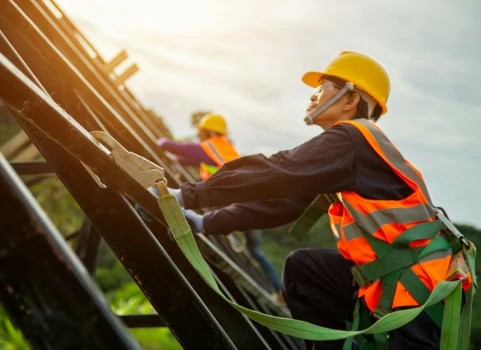
Maximize Savings: How Working at Heights Training Diminishes Insurance Costs
In today’s competitive business landscape, every cent counts. The cost of workplace accidents is a significant financial burden, leading to increased insurance premiums and liability risks. However, investing in Working at Heights training can provide a robust solution, not only making your workplace safer but also significantly reducing your insurance costs. In this article, we’ll explore the relationship between effective safety training and insurance savings, backed by real-world examples.
The Price of Workplace Accidents
Every year, countless workers are injured in falls from heights, leading to devastating consequences for both employees and employers. The fallout from these accidents extends beyond immediate injury costs; businesses often face:
- Increased workers' compensation claims
- Higher insurance premiums
- Operational interruptions
- Reputation damage
Understanding Insurance Costs
It’s crucial for businesses to comprehend how insurance premiums are calculated. Insurers evaluate various risk factors when determining premiums, including:
- Industry risk category
- Claims history
- Workplace safety ratings
A company with a history of workplace accidents is perceived as a higher risk, resulting in elevated insurance costs. By investing in Working at Heights training, businesses can mitigate these risks and demonstrate a commitment to safety.
How Safety Training Lowers Insurance Premiums
Investing in a comprehensive Working at Heights training course delivers multiple benefits that contribute to lower insurance costs:
- Fewer Workplace Accidents: Properly trained employees are less likely to be injured, which translates to fewer insurance claims.
- Enhanced Safety Compliance: Certification ensures that the workforce meets safety regulations, improving compliance ratings with insurers.
- Improved Risk Assessments: Trained staff can better identify hazards, leading to proactive safety measures.
Case Studies of Savings Through Training
Numerous companies have recognized the financial benefits of investing in safety training. Let’s delve into a few examples:
Case Study 1: Construction Company in Dublin
A construction firm based in Dublin invested in Certified Working at Heights training for all its employees. Following the training, the company experienced a 60% reduction in fall-related incidents, leading to significantly lowered insurance claims. This reduction helped the firm negotiate a 15% decrease in its annual insurance premium.
Case Study 2: Maintenance Services in Cork
A maintenance services company in Cork found that after enrolling its staff in a Working at Heights safety course, not only did accidents decrease, but the business also improved its safety rating. Their insurer rewarded this proactive approach with a 20% reduction on their liability premium.
Improving Compliance Ratings
The compliance landscape is continually evolving, and organizations must stay abreast of safety regulations to avoid fines and increased insurance costs. Companies demonstrating commitment through Working at Heights certification signal to insurers their dedication to maintaining a safe work environment. This commitment often translates to:
- Lower liability risks
- Improved insurance negotiations
- Incentives from insurers for low-risk practices
Conclusion: Invest in Safety for Financial Gains
In conclusion, the monetary advantages of investing in Working at Heights training are clear. Businesses not only protect their employees but also enhance their financial bottom line by reducing insurance costs. As a best practice, organizations should consider implementing a structured safety training program to minimize risks and optimize savings.
If your business is located in Dublin, Cork, or Galway, it’s time to take action. Invest in working at heights safety training today, and watch your insurance premiums decrease while ensuring a safer workplace for all. For more information, visit our training page or contact us at [email protected].