Navigating Abrasive Wheels Risks: Essential Safety Measures for Irish Workplaces
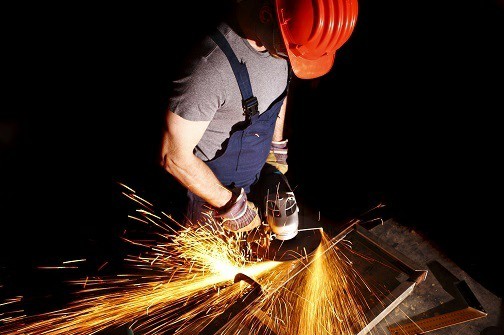
Abrasive wheels are a common tool in various industries across Ireland, including construction, manufacturing, and metalworking. However, these powerful tools also pose significant safety risks if not handled correctly. Understanding the dangers associated with abrasive wheels is crucial for ensuring workplace safety and compliance with industry regulations.
Common Risks Associated with Abrasive Wheels
- Wheel Breakage: Abrasive wheels can shatter due to excessive pressure, improper mounting, or defects. This can lead to severe injuries, including lacerations or even fatalities.
- Improper Usage: Incorrect techniques or lack of training can result in accidents. Operating an abrasive wheel without adequate guidance or supervision significantly increases risk.
- Lack of Personal Protective Equipment (PPE): Failing to use appropriate PPE, such as safety goggles, gloves, and protective clothing, can result in serious injuries.
- Exposure to Harmful Dust: Some materials create hazardous dust when cut or ground, leading to respiratory issues.
Common Injuries Related to Abrasive Wheels
Injuries associated with abrasive wheels can be severe. Common injuries include:
- Lacerations and cuts from flying wheel fragments.
- Eye injuries from dust and debris.
- Hearing loss from prolonged exposure to loud machinery.
- Respiratory issues related to inhaling harmful dust.
Mitigating Risks Associated with Abrasive Wheels
Implementing effective safety measures is essential for minimizing risks. Here are the best practices:
1. Proper Training
Engaging in quality Abrasive Wheels training is crucial. Employees should undergo training in:
- Safe operation of abrasive wheels.
- Identifying defects and unsafe equipment.
- Understanding manufacturer guidelines.
2. Use of Personal Protective Equipment (PPE)
Employers must provide suitable PPE to all employees working with abrasive wheels, including:
- Safety goggles or face shields.
- Cut-resistant gloves.
- Hearing protection.
- Respirators, if necessary.
3. Conduct Regular Risk Assessments
Regularly assess the workplace to identify risks associated with abrasive wheels. Factors to consider include:
- The condition of the abrasive wheels.
- The training level of employees.
- Environmental factors, such as dust management.
4. Follow Manufacturer Guidelines
Always adhere to the manufacturer's instructions regarding the use, installation, and maintenance of abrasive wheels. This includes:
- Correct mounting of wheels.
- Using the right wheel for the specific material.
- Regularly inspecting equipment for defects.
Industry Compliance and Safety Training in Ireland
Employers in Dublin, Cork, Galway, Limerick, and Waterford should ensure compliance with Irish workplace safety regulations concerning abrasive wheel usage. Utilizing Abrasive Wheels certification courses can significantly enhance workplace safety and reduce the risk of injuries.
Conclusion & Call to Action
By understanding the risks associated with abrasive wheels and implementing stringent safety measures, workplaces can create a safer environment for employees. Investing in certified Abrasive Wheels training in Dublin, Cork, Galway, and Limerick not only promotes safety but also complies with regulations, ultimately saving lives and reducing workplace accidents. Don't wait—enroll today!
For inquiries, contact us at [email protected].