Navigating Abrasive Wheels Risks: Essential Safety Practices for Irish Workplaces
Abrasive wheels, often used in various manufacturing and construction settings across Ireland, present a myriad of safety risks if not handled with care. Understanding these risks is critical in promoting a safe work environment. In this guide, we will explore the potential hazards posed by abrasive wheels, common injuries associated with their use, and comprehensive strategies to mitigate these dangers.
Understanding Abrasive Wheels and Their Risks
Abrasive wheels are tools made from abrasive grains bonded together, used primarily for grinding, cutting, and polishing materials. They are integral in numerous sectors, including automotive, metalworking, and construction. Despite their utility, the use of abrasive wheels entails specific risks that can lead to serious workplace injuries.
Common Hazards Associated with Abrasive Wheels
- Wheel Breakage: One of the most severe risks involves the sudden breakage of an abrasive wheel during operation. This can occur due to excessive speed, improper mounting, or the use of damaged wheels, potentially leading to flying debris.
- Operator Fatigue: Continuous operation without adequate breaks can lead to fatigue, resulting in reduced concentration and increased risk of accidents.
- Inadequate PPE: The absence of proper personal protective equipment (PPE) such as safety goggles, gloves, and face shields can exacerbate the consequences of accidents.
- Improper Usage: Using the wrong wheel type for a specific task can compromise safety. Users must ensure compatibility with the tool and intended application.
- Lack of Training: Insufficient training about the operation of abrasive wheels can lead to misuse and subsequent injuries.
Common Injuries Resulting from Abrasive Wheel Use
Injuries from abrasive wheels can vary in severity and nature:
- Cuts and Lacerations: Sharp materials can cause deep cuts, particularly if proper safety gear is not worn.
- Eye Injuries: Debris flying at high speed can result in serious eye injuries, leading to permanent vision loss.
- Hearing Loss: Prolonged exposure to high noise levels from grinding can lead to hearing impairment.
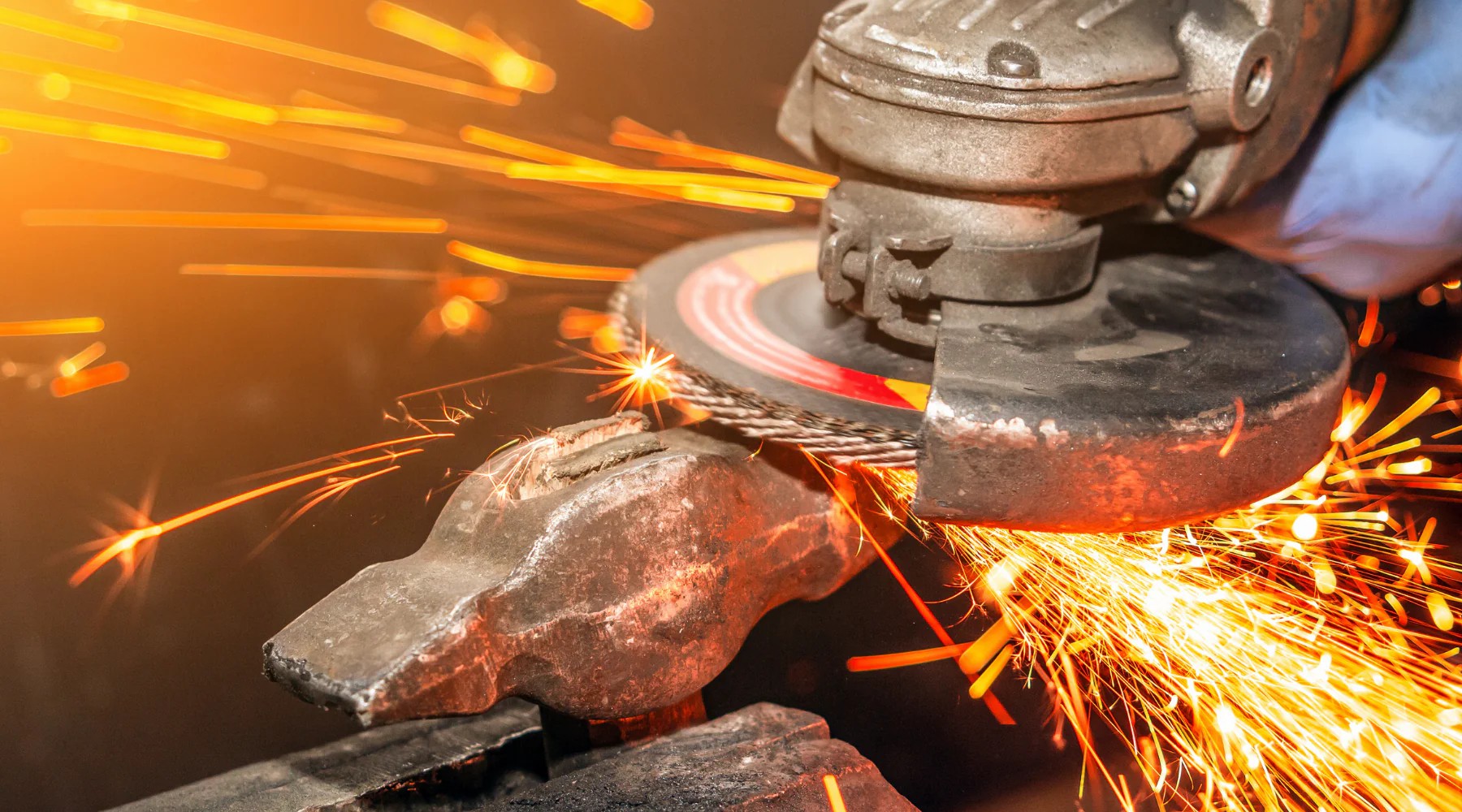
- Burns: Contact with overheated materials or sparks can cause burns to the skin.
Mitigating Abrasive Wheels Risks
Employers and employees can take actionable steps to reduce the risk associated with abrasive wheels:
1. Proper Training
Providing comprehensive Abrasive Wheels Training in Dublin, Cork, Galway, and beyond is vital. Training courses equip workers with essential skills on wheel selection, safe handling, and operational procedures. Consider certified programs that provide real-world scenarios to enhance learning.
2. Maintenance and Inspections
- Conduct regular inspections of abrasive wheels for signs of wear and damage.
- Ensure that wheels are mounted correctly and according to manufacturer guidelines.
- Maintain machinery to prevent malfunctions that could lead to accidents.
3. Use of Personal Protective Equipment (PPE)
The use of PPE is crucial. Employers should enforce policies requiring workers to wear safety goggles, hardened gloves, and appropriate protective clothing when operating abrasive wheels. Regularly updating and replacing worn-out PPE ensures maximum protection.
4. Implementing Safe Work Practices
Establish clear guidelines for operating abrasive wheels, including:
- Adhering to speed limits set by manufacturers.
- Ensuring proper handling techniques to avoid slips.
- Creating a tidy workspace to minimize hazards.
5. Risk Assessments
Regular risk assessments should be conducted to identify potential hazards related to abrasive wheel operations. Involvement of all staff in these assessments can enhance awareness and compliance with safety protocols.
Conclusion: The Importance of Compliance and Continuous Learning
In industries across Dublin, Cork, Galway, Limerick, and Waterford, awareness and adherence to safety practices surrounding abrasive wheels are paramount. By committing to ongoing training, regular inspections, and the use of PPE, businesses enhance their safety culture, safeguarding employees from potential accidents. Employers are encouraged to enroll their workforce in certified abrasive wheels training programs, including Abrasive Wheels Courses in Ireland, to empower their staff with the knowledge and skills to operate safely. Together, we can create safer workplaces.
If you're interested in learning more about our programs, contact us at [email protected] for more information!