Navigating Abrasive Wheels Training Regulations in Ireland: A Comprehensive Guide for Employers
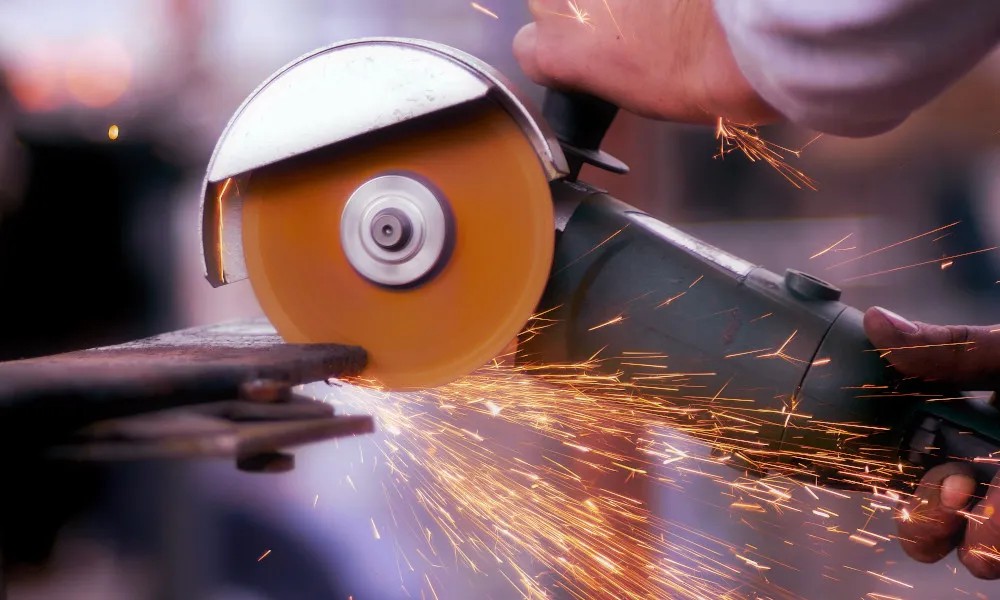
Ensuring a safe working environment is a critical responsibility for employers across Ireland. When it comes to operating abrasive wheels, specific legal requirements are paramount for protecting employees from potential hazards. This guide aims to clarify the obligations set forth by the Health and Safety Authority (HSA) and Health and Safety Executive (HSE) regarding Abrasive Wheels training in major cities, including Dublin, Cork, Galway, Limerick, and Waterford.
Understanding the Legal Framework
The use of abrasive wheels is regulated under various safety legislation in Ireland. Employers must be aware of the following:
- Health and Safety at Work Act: This act outlines the general duties of employers to ensure the safety of their employees.
- Safety, Health and Welfare at Work Regulations: These regulations require employers to provide adequate training and supervision for employees using specific equipment, including abrasive wheels.
The Role of HSA and HSE in Abrasive Wheels Training
The HSA and HSE have established guidelines that govern the safe operation of abrasive wheels:
- Employers are required to ensure that any person using an abrasive wheel has received proper training.
- Training must include hands-on experience and theoretical knowledge about the equipment.
- Certification in Abrasive Wheels training validates that employees are trained and competent to use the machinery.
Employer Responsibilities
Employers in Dublin, Cork, Galway, Limerick, Waterford, and beyond must meet specific responsibilities regarding abrasive wheels:
- Risk Assessment: Conduct regular risk assessments to identify potential hazards associated with abrasive wheels.
- Training Programs: Enroll employees in accredited Abrasive Wheels courses, such as those offered online or in-person, to ensure compliance.
- Supervision and Monitoring: Provide adequate supervision for inexperienced workers operating abrasive wheels.
Consequences of Non-Compliance
Failing to comply with training regulations can have serious repercussions:
- Fines: Employers may face significant financial penalties for failing to provide compliant training.
- Legal Action: In the event of an accident, employers could be held legally responsible if they cannot prove that employees were properly trained.
- Increased Risk of Accidents: Non-compliance increases the likelihood of workplace injuries and can jeopardize employee safety.
Steps to Ensure Compliance
To avoid penalties and promote a safe working environment, employers should:
- Enroll in an Abrasive Wheels Course: Find an accredited Abrasive Wheels course in Dublin, Cork, Galway, or Limerick to ensure employees are trained properly.
- Keep Training Records: Maintain accurate records of employee training and certification for compliance audits.
- Regularly Update Training: Ensure that training programs are updated to reflect any changes in regulations or safety standards.
Conclusion
Adhering to the legal requirements for Abrasive Wheels training is not just a regulatory obligation but a crucial aspect of fostering a safe work environment. By understanding the responsibilities of employers outlined by the HSA and HSE, taking proactive steps toward training and compliance, and providing the necessary resources to workers, businesses across Dublin, Cork, Galway, Limerick, Waterford, and beyond can mitigate risks and promote a culture of safety.
For tailored Abrasive Wheels training solutions, contact us today and ensure your organization meets compliance standards!