


Navigating Manual Handling Legislation and Training in Ireland: A Comprehensive Guide
Manual handling is crucial in numerous industries across Ireland, affecting not only employee safety but also organizational compliance with legal standards. Understanding the nuances of manual handling legislation is essential for both employers and employees. This guide will provide an in-depth look at the relevant laws, the importance of training, and how our comprehensive yet affordable training solutions meet legal requirements.
What is Manual Handling?
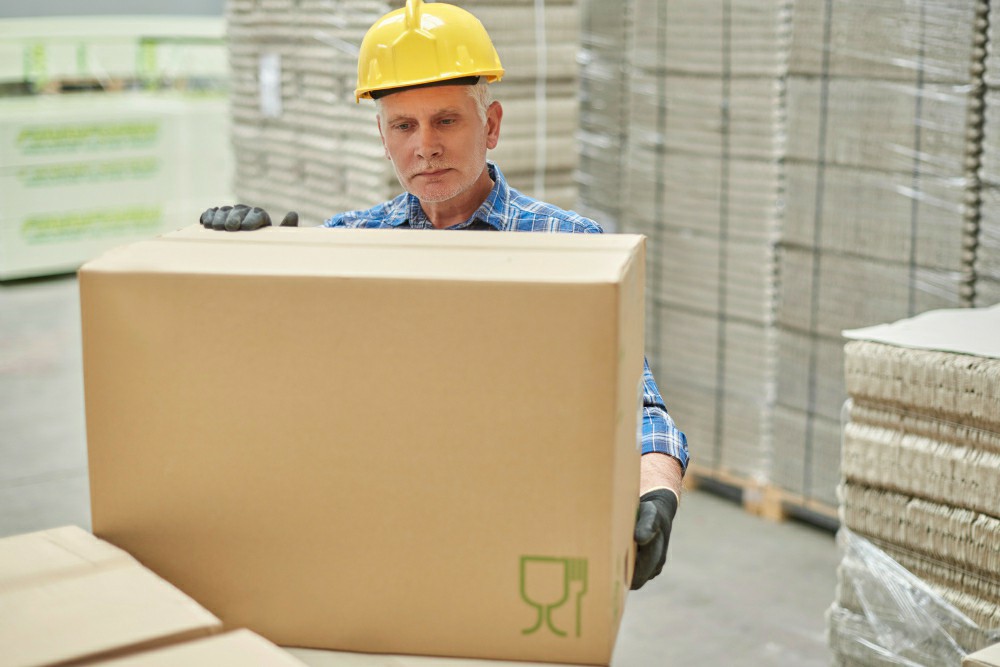
Manual handling involves any operation where a load is moved by hand or bodily force. This can entail lifting, putting down, pushing, pulling, carrying, or moving a load. Properly understanding manual handling safety legislation is vital to minimize risks and avoid injuries.
Overview of Manual Handling Legislation in Ireland
In Ireland, manual handling is governed by various pieces of legislation aimed at ensuring workplace safety. Among the most pertinent laws are:
- The Safety, Health and Welfare at Work Act 2005: This act outlines the responsibilities of employers to ensure the safety of their employees.
- The Manual Handling of Loads Regulations 2007: Specific regulations focusing on the manual handling of loads and the risks associated with it.
- Various codes of practice: These provide comprehensive guidance on best practices for manual handling and safety.
Legal Requirements for Manual Handling
Understanding the manual handling legal requirements in Ireland is critical for compliance. Employers must:
- Identify manual handling tasks and assess the risks involved.
- Implement measures to reduce risks, such as providing training and using appropriate equipment.
- Regularly review and update risk assessments to reflect changes in the workplace.
Importance of Manual Handling Training
Investing in manual handling training legislation is not just about compliance; it’s about ensuring a safe working environment. Effective training helps to:
- Reduce the risk of injuries and accidents in the workplace.
- Enhance employee morale and productivity by fostering a culture of safety.
- Ensure compliance with legal requirements, protecting organizations from potential lawsuits and penalties.
How Our Training Programs Align with Legislation
Our manual handling training programs are designed to comply with Irish safety legislation while being affordable and comprehensive. Here’s how we ensure alignment:
- Curriculum Development: Our training materials are developed based on the latest legal standards and best practices in manual handling.
- Practical Training Sessions: We conduct interactive training sessions that allow participants to engage in practical exercises, reinforcing learning.
- Certification: Participants receive certification upon successful completion of the training, demonstrating compliance with manual handling compliance legislation.
Case Studies: The Impact of Proper Training
Numerous organizations have benefited from our manual handling training programs. Here are a couple of examples:
- Dublin Warehouse: After implementing our training, the warehouse reported a 30% reduction in manual handling-related injuries.
- Cork Healthcare Facility: Post-training assessments showed improved staff confidence and reduced lifting-related incidents.
Final Thoughts
Understanding manual handling laws in Ireland is essential for the safety and health of employees. With our training programs, businesses can not only comply with legal standards but also create safer working environments. For organizations looking to ensure their compliance, enhancing safety standards, and significantly reducing injury risks, affordable and comprehensive training is critical.
For more information on our manual handling training programs and how they align with manual handling legislation compliance, please contact us at [email protected] or visit our website Irish Manual Handling.



































