Navigating Manual Handling Legislation: Essential Training for Irish Workplaces
Manual handling is a critical aspect of many jobs in Ireland, impacting both employee safety and organizational compliance. Understanding manual handling legislation is crucial for any business aiming to protect its workers and adhere to legal requirements. This blog post will delve into the key components of manual handling training legislation, outline the legal requirements for manual handling, and discuss how our training programs can help ensure compliance in workplaces across Dublin, Cork, and Galway.
What is Manual Handling Legislation?
Manual handling legislation refers to a set of laws and regulations established to ensure the safety of individuals engaged in manual handling tasks. In Ireland, this is primarily governed by the Safety, Health and Welfare at Work Act and accompanying regulations that set forth guidelines for employers and employees alike.
Key Aspects of Manual Handling Legislation
- Risk Assessment: Employers must conduct regular risk assessments to identify and mitigate potential hazards related to manual handling.
- Training Requirements: Any employee involved in manual handling must receive appropriate training to ensure they can perform their duties safely.
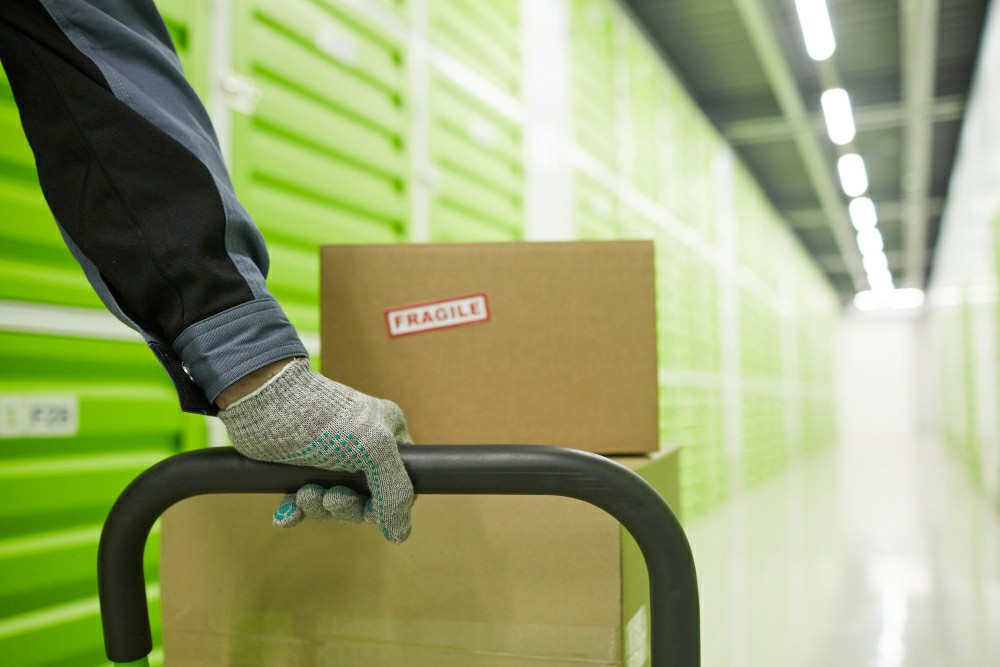
- Equipment Provision: Employers are required to provide necessary equipment (like trolleys or lifts) to reduce the physical strain on workers.
Understanding Manual Handling Legal Requirements in Ireland
Compliance with manual handling legal requirements is a fundamental part of maintaining a safe work environment. The key pieces of legislation relevant to manual handling include:
- Safety, Health and Welfare at Work Act: This act outlines the duties of employers to ensure the safety, health, and welfare of their employees.
- Manual Handling Operations Regulations: Focused specifically on manual handling, these regulations require employers to take appropriate measures to reduce risks.
Manual Handling Training Legislation: A Vital Component of Workplace Safety
Adhering to manual handling training legislation is not just a legal requirement; it is also crucial for fostering a safety-conscious workplace culture. Topics covered in our training include:
- Safe lifting techniques
- Proper posture and ergonomics
- Use of lifting equipment
- Understanding of personal limitations
Benefits of Comprehensive Manual Handling Training
Investing in comprehensive manual handling training offers numerous benefits:
- Reduced Injury Rates: Proper training helps decrease the likelihood of musculoskeletal injuries among employees.
- Enhanced Compliance: Training completes your duty of care towards employees and ensures compliance with manual handling compliance legislation.
- Increased Productivity: Well-trained employees are more efficient and confident in their work, leading to improved productivity.
Affordability and Accessibility of Manual Handling Training
At Irish Manual Handling, we pride ourselves on providing affordable, comprehensive training solutions designed to meet the legal requirements for manual handling in the workplace. Our courses can be tailored to suit the specific needs of businesses, whether you are located in Dublin, Cork, or Galway.
Contact Us for Manual Handling Training
If you are looking for reliable manual handling training that ensures compliance with manual handling legislation in the workplace, contact us today at [email protected]. Let’s work together to create a safer workplace for you and your employees.
Conclusion
Understanding and complying with manual handling legislation is essential to protecting your workforce and ensuring legal compliance. By investing in comprehensive manual handling training, organizations can mitigate risks, enhance employee safety, and foster a culture of accountability. Choose Irish Manual Handling for your training needs and ensure your business meets its manual handling legal obligations.