Navigating the Hazards of Abrasive Wheels: The Life-Saving Impact of Proper Training
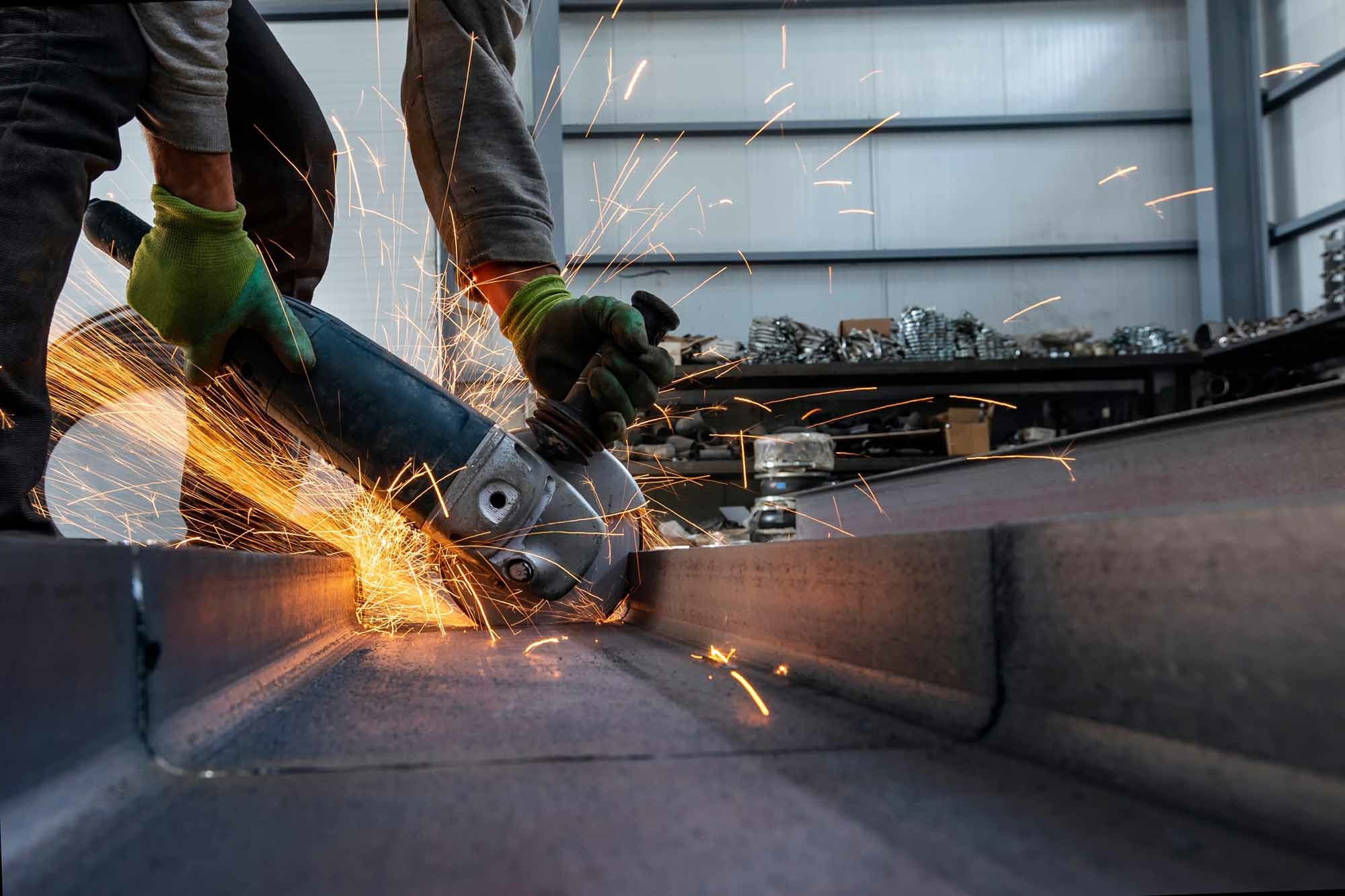
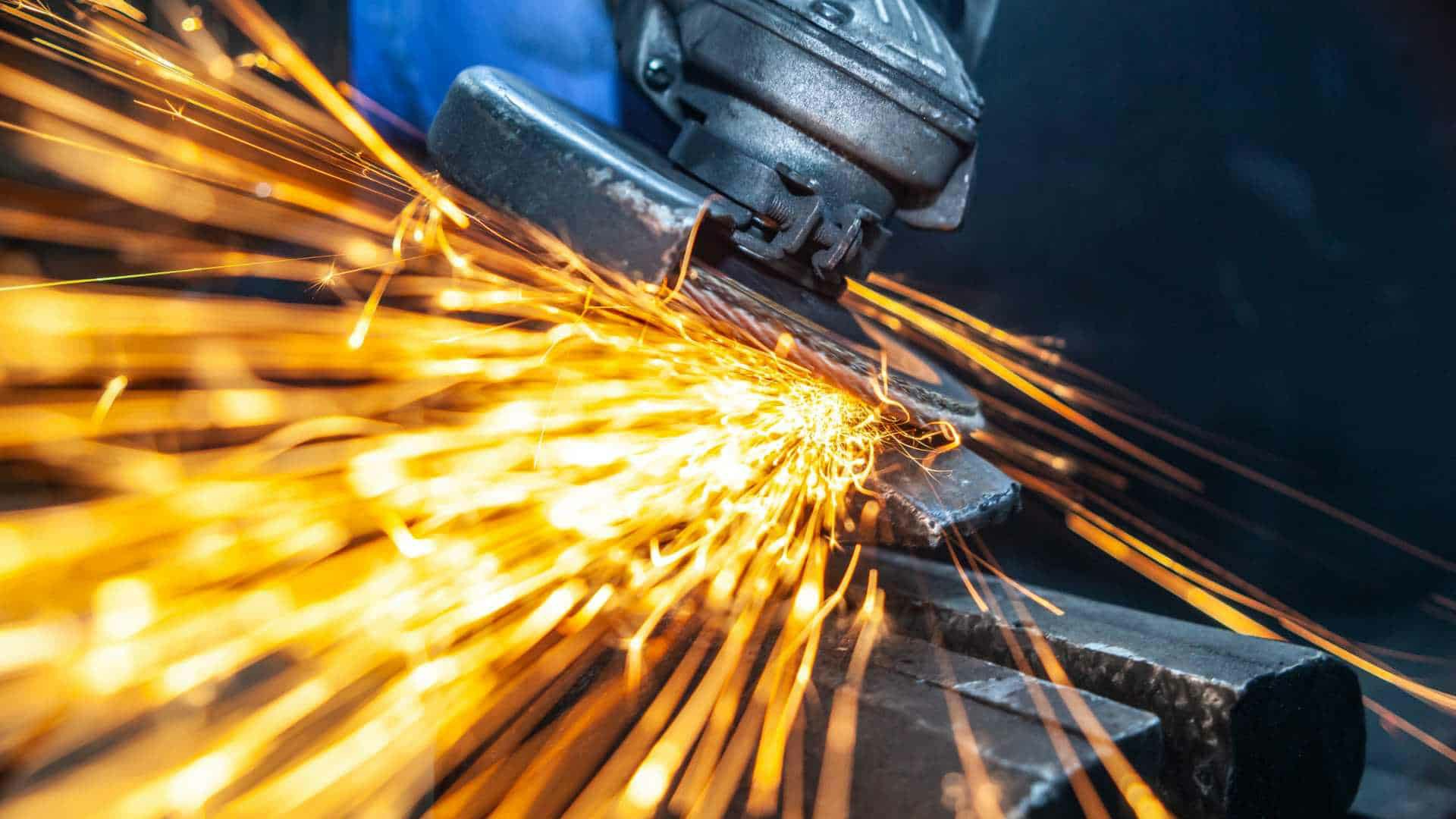
Abrasive wheels are essential tools in various industries, including manufacturing, metalworking, and construction. However, they come with significant safety risks if mishandled. Understanding these risks and the importance of proper training can dramatically reduce accidents and enhance workplace safety.
The Safety Risks of Abrasive Wheels
When it comes to abrasive wheels, several key hazards can pose threats to workers:
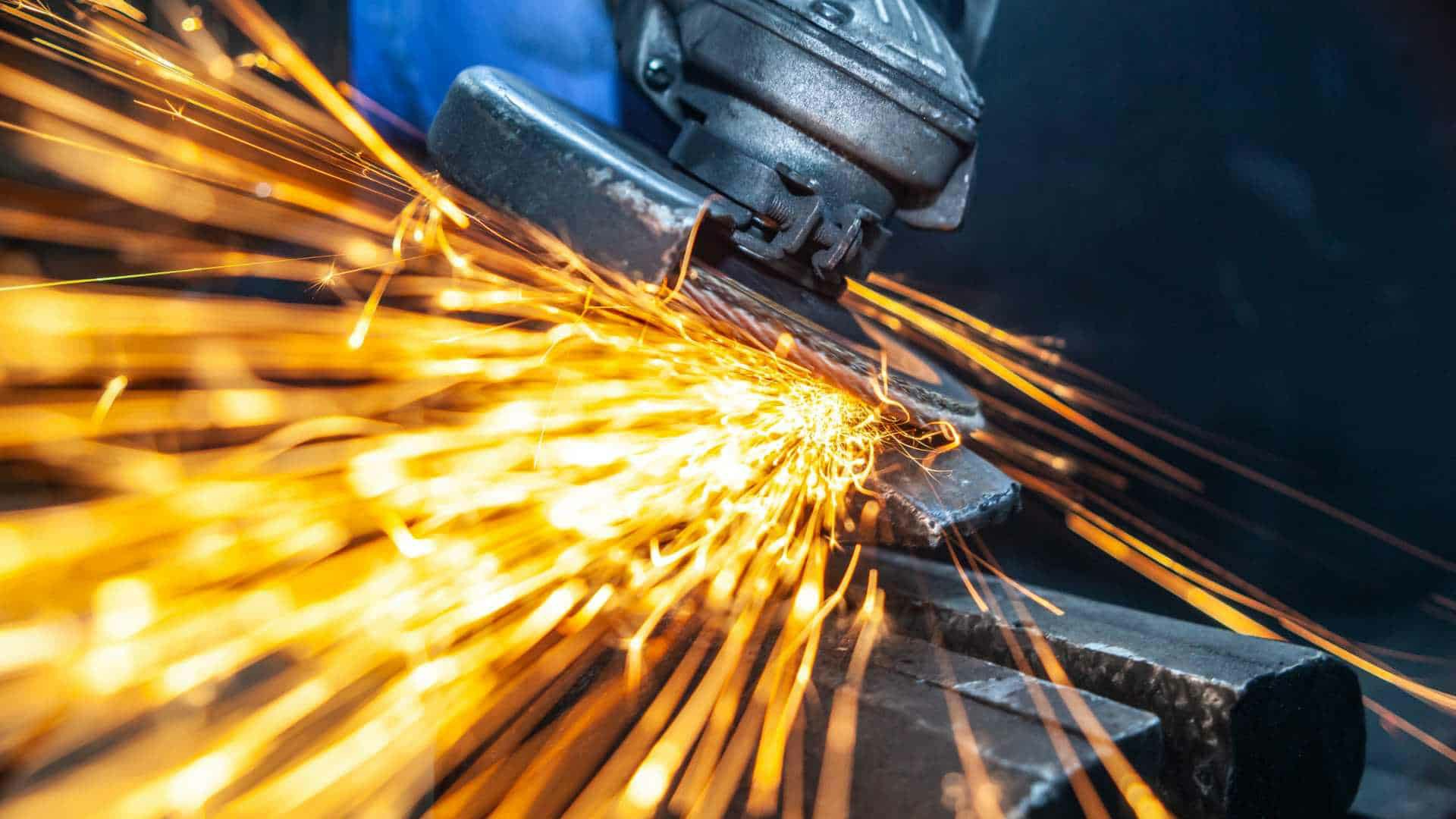
- Wheel Breakage: Abrasive wheels can shatter if not handled correctly, leading to flying debris that can cause severe injuries.
- Improper Mounting: Incorrectly mounted wheels may wobble or become loose during operation, increasing the risk of accidents.
- Inadequate Protection: Not using appropriate personal protective equipment (PPE) such as goggles, gloves, and respiratory protection can expose workers to injury.
- Incorrect Usage: Using the wrong type of wheel or employing improper techniques can lead to accidents.
Real-Life Case Studies: Prevention through Training
Proper training in abrasive wheel safety can save lives. Here are a couple of examples:
Case Study 1: A Narrow Escape
In a metal fabrication shop, a worker was almost injured when a grinding wheel shattered during use. Fortunately, he had completed an Abrasive Wheels Safety Course and was wearing the correct PPE. His training enabled him to quickly take cover, avoiding injury from flying particles.
Case Study 2: A Comprehensive Safety Approach
A company in Dublin implemented a mandatory Certified Abrasive Wheels Training program for all staff. After the training, one worker who noticed a wheel was improperly mounted took immediate action, alerting supervisors before any accidents could occur. This proactive approach significantly cut down on near-miss incidents.
The Importance of Training
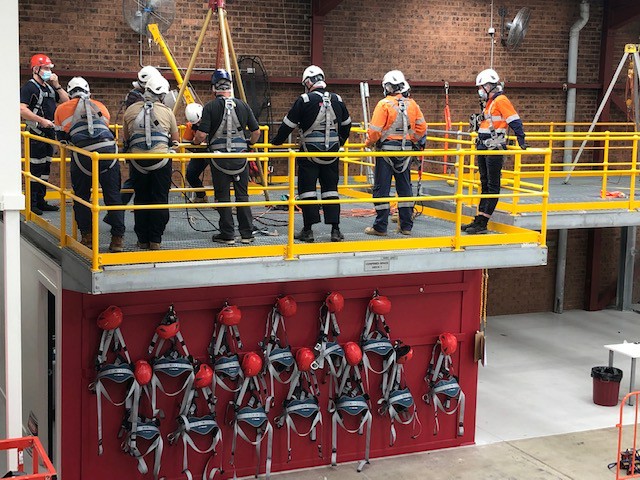
Training programs, such as an Abrasive Wheels Course Online, equip workers with the knowledge and skills needed to identify risks and respond effectively. Key benefits of proper training include:
- Informed employees who can recognize hazards and take preventative measures.
- Familiarity with the operation and maintenance of abrasive wheels, reducing equipment misuse.
- Awareness of safety protocols and the appropriate use of PPE.
- Improved incident reporting and emergency response capabilities.
Best Practices for Risk Mitigation
To ensure safe operation when using abrasive wheels, consider implementing the following best practices:
- Conduct regular risk assessments to identify potential hazards.
- Ensure all employees undergo Abrasive Wheels Certification Ireland as part of onboarding and ongoing training.
- Perform routine equipment inspections, checking for signs of wear and improper installation.
- Promote a safety-first culture, encouraging workers to speak up about potential risks.
- Implement clear emergency response procedures for accidents related to abrasive wheel use.
Conclusion: Empowering Safety through Education
The use of abrasive wheels is an inherent part of many industrial operations, but the associated risks cannot be overlooked. Investing in comprehensive training, such as the Abrasive Wheels Safety Course, is essential in minimizing accidents and ensuring a safe work environment.
Encourage your team to enroll in certified training programs today to enhance workplace safety and compliance. For more information about our courses, visit Abrasive Wheels Course or contact us at [email protected].