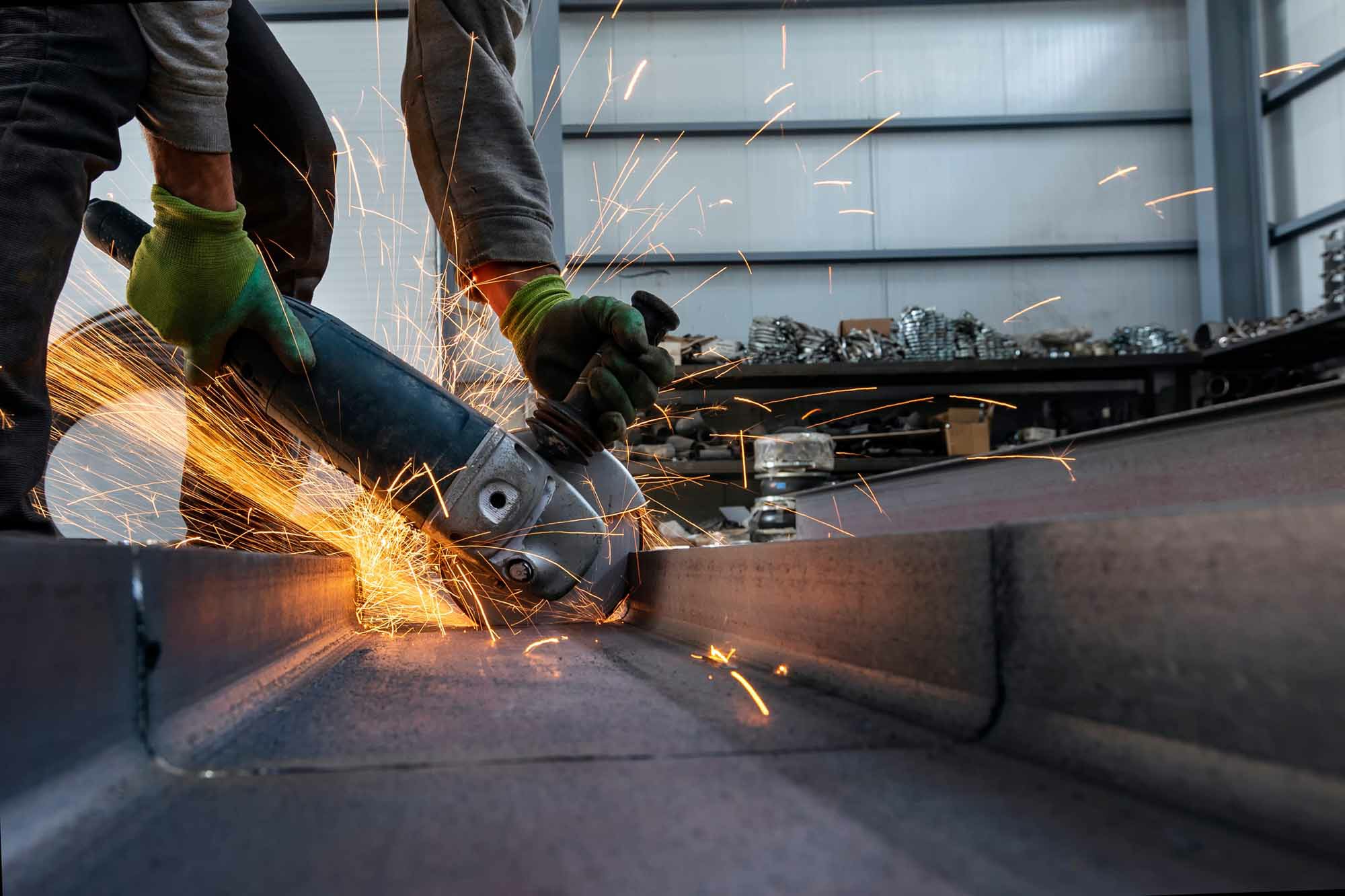
Navigating the Hazards of Abrasive Wheels: The Life-Saving Power of Training
Abrasive wheels are essential tools in many industries, enabling workers to cut, grind, and shape materials with precision. However, they also pose significant safety risks if not handled correctly. In this post, we will examine the common safety hazards linked to abrasive wheel usage and illustrate how proper training can prevent accidents, saving lives and enhancing workplace safety.
Understanding Abrasive Wheels
Abrasive wheels are made from hard materials that can cut through steel, aluminum, and other substances. While effective, these wheels come with inherent dangers, including:
- Wheel breakage
- Improper mounting
- Inappropriate usage techniques
- Lack of personal protective equipment (PPE)
Common Workplace Hazards
Identifying the specific safety risks associated with abrasive wheels is crucial in developing a safe working environment. Here are some of the most prevalent hazards:
1. Wheel Breakage
One of the most dangerous situations is wheel breakage during operation. When wheels are improperly mounted or used beyond their limitations, they can shatter, sending sharp fragments flying at high speeds, which may cause severe injuries or even fatalities.
2. Improper Mounting
Incorrectly mounting an abrasive wheel can lead to catastrophic failure. A wheel not securely attached can wobble or disengage during use, posing a risk not only to the operator but also to nearby workers.
3. Incorrect Usage Techniques
Operating abrasive wheels without proper training often leads to misuse. For instance, applying excessive pressure can lead to wheel overheating and breakage, while incorrect angles can affect cutting efficiency and safety.
4. Lack of Personal Protective Equipment
Failure to use appropriate PPE, such as safety goggles, face shields, and gloves, significantly increases the risk of injury. Debris and sparks generated from grinding can cause serious eye injuries or skin burns.
The Importance of Abrasive Wheels Training
Proper training is indispensable in mitigating these hazards. A comprehensive Abrasive Wheels Course Online empowers employees with the knowledge and skills needed to operate these tools safely.
Benefits of Professional Training
- Hazard Identification: Training helps workers identify potential hazards in their workspace and understand how to mitigate them effectively.
- Correct Equipment Use: Trainees learn how to properly mount, store, and use abrasive wheels, minimizing risks.
- Emergency Response: Certified training courses cover emergency procedures, teaching workers how to respond effectively in case of an accident.
- Regulatory Compliance: Proper training ensures that companies meet legal safety standards, reducing liability and improving workplace culture.
Real-Life Case Studies: Training Saves Lives
There are ample examples of how effective training can prevent accidents:
Case Study 1: Manufacturing Facility in Dublin
A manufacturing facility in Dublin experienced a near miss when an employee was trained in proper mounting techniques for abrasive wheels. During a routine operation, they noticed the wheel was not securely attached. Recognizing the risk, they halted operations and re-mounted the wheel correctly before proceeding, potentially averting a serious accident.
Case Study 2: Construction Site in Cork
At a construction site in Cork, workers underwent a certified abrasive wheels safety course. After the training, one worker recognized that another was pressing too hard on an abrasive wheel while grinding metal. Thanks to their training, they advised the operator to ease off, preventing wheel damage and ensuring a safer working environment.
Best Practices for Risk Mitigation
Implementing best practices can enhance safety in the workplace:
- Conduct regular safety audits to identify potential hazards.
- Ensure all workers undergo certified abrasive wheels training.
- Establish a schedule for inspecting and maintaining equipment.
- Promote a safety-first culture encouraging workers to report risks and near misses.
- Enforce the use of PPE at all times during abrasive wheel operations.
Conclusion: Enroll in an Abrasive Wheels Safety Course Today!
With the potential for serious injury associated with abrasive wheels, having a thorough training program in place is essential for any workplace that uses these tools. By prioritizing Abrasive Wheels Safety and incorporating comprehensive training, businesses can significantly reduce the risks posed by these dangerous tools.
For more information on certified abrasive wheels training options, including Abrasive Wheels Certification Dublin, contact us at [email protected]. Your safety is our priority!