Navigating the Risks of Abrasive Wheels: Essential Safety Measures for Irish Workplaces
Abrasive wheels are commonly used tools in various industries, including construction, manufacturing, and metalworking. However, they pose significant risks if not handled properly. This comprehensive guide explores the dangers associated with abrasive wheels, highlights common causes of injuries, and discusses the best practices for ensuring safety in the workplace, particularly in major cities like Dublin, Cork, Galway, and Limerick.
Understanding Abrasive Wheels Risks
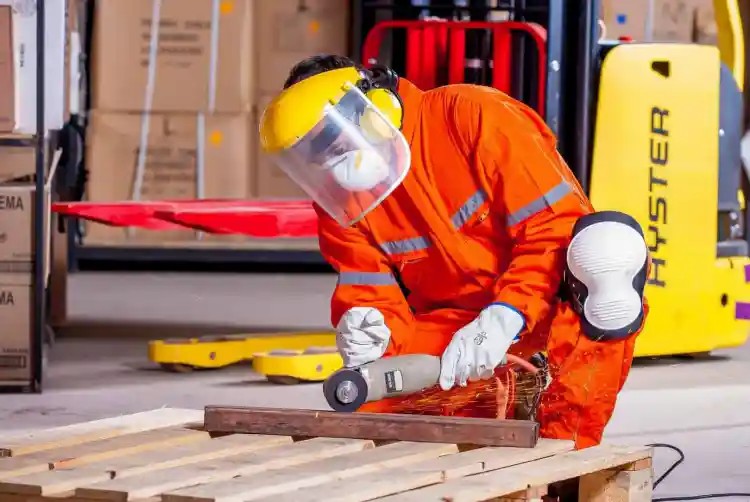
Abrasive wheels are essential for grinding, cutting, and shaping materials. However, without appropriate safety measures, they can become a source of severe workplace hazards:
- Wheel Breakage: A common and dangerous risk, wheel breakage can occur due to improper mounting, excessive speed, or use of a damaged wheel.
- Improper Usage: Incorrect operational techniques, such as not using the right wheel for the task or applying too much pressure, can lead to serious accidents.
- Lack of PPE: Personal Protective Equipment is critical. Failure to wear appropriate gear can lead to injuries from flying debris or heat.
Common Abrasive Wheels Injuries
Injuries related to abrasive wheels can range from minor to life-threatening. Some of the most common injuries include:
- Eye Injuries: Shards of metal or other materials can fly into the eyes, causing severe damage.
- Cuts and Lacerations: Operators may experience cuts from contact with the abrasive surface or from debris.
- Burns: The friction generated during operation can lead to heat burns on the skin.
- Hearing Damage: Prolonged exposure to high noise levels can cause permanent hearing loss.
Mitigating Dangers: Best Practices for Abrasive Wheels Safety
To reduce the risks associated with abrasive wheels, employers must implement the following best practices:
- Regular Inspections: Conduct routine checks on abrasive wheels for signs of wear and damage.
- Follow Manufacturer Guidelines: Always adhere to the manufacturer’s specifications regarding speed limits and wheel usage.
- Proper Training: Ensuring that all employees are trained in the safe operation of abrasive wheels is vital.
- Use of PPE: Mandate the use of safety goggles, gloves, and hearing protection to safeguard against potential hazards.
The Importance of Certified Training
Proper training is critical in minimizing the risks associated with abrasive wheels. An accredited Abrasive Wheels Course in Dublin, Cork, or other Irish cities equips workers with the knowledge and skills necessary to operate these tools safely.
Through certified training, participants will learn:
- The characteristics and types of abrasive wheels
- How to mount wheels correctly
- Techniques for safe operation
- Emergency response procedures in case of accidents
Employers should consider investing in Abrasive Wheels Certification Ireland to ensure compliance with workplace safety regulations.
Real-World Case Studies
Many workplace accidents related to abrasive wheels can be traced back to a lack of training and safety awareness. For instance:
- A worker in Galway sustained severe injuries after a poorly mounted wheel shattered during use.
- A company in Waterford faced significant penalties due to negligence in safety protocols, resulting in multiple worker injuries.
These cases underline the importance of adhering to regulations and investing in safety training.
Conclusion: Take Action for Workplace Safety
Ensuring the safety of workers is paramount when handling abrasive wheels. By implementing proper training, regular inspections, and ensuring PPE compliance, employers can significantly reduce the risk of injuries in the workplace.
Consider enrolling your team in a certified Abrasive Wheels Course Ireland to reinforce safety measures and promote a safer working environment. For more information on training options in Dublin, Cork, Galway, and Limerick, contact us at [email protected]. Invest in your workforce's safety today!