Navigating the Risks of Abrasive Wheels in Irish Workplaces: A Comprehensive Safety Guide
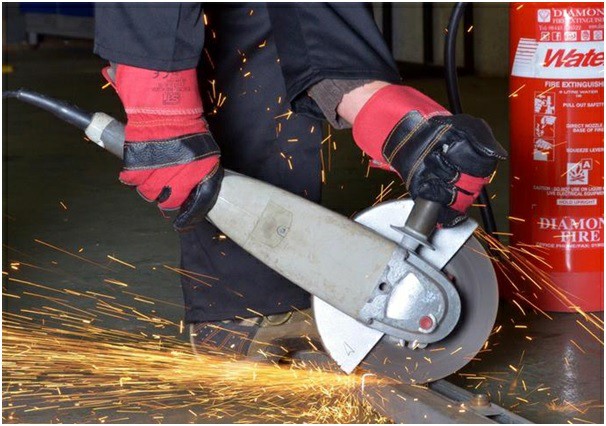
When it comes to workplace safety, Abrasive Wheels are a significant concern. Commonly used for cutting, grinding, and polishing materials, these tools have inherent risks that can lead to serious injuries if not handled properly. In this guide, we will explore the various risks associated with Abrasive Wheels, common workplace hazards, and the best practices for mitigating these dangers.
Understanding Abrasive Wheels Risks
Abrasive wheels are powerful tools but can easily become dangerous if not managed correctly. Some of the most prevalent risks include:
- Wheel Breakage: This can occur due to excessive speed, improper mounting, or using the wrong type of wheel for the task.
- Improper Usage: Failure to follow correct operational procedures can increase the likelihood of mishaps.
- Lack of Personal Protective Equipment (PPE): Neglecting to wear appropriate PPE, such as safety goggles and gloves, can exacerbate the severity of injuries.
Common Workplace Hazards
In workplaces across Dublin, Cork, Galway, and Limerick, several hazards frequently contribute to Abrasive Wheels-related injuries:
- Improper Wheel Mounting: Loose or incorrectly mounted wheels may shatter during operation, sending fragments flying.
- Excessive Speed: Operating wheels beyond their designated speed limits can increase the risk of breakage.
- Inadequate Training: Workers without sufficient knowledge of abrasive wheel handling often experience avoidable accidents.
Common Injuries
Injuries resulting from Abrasive Wheels can be severe, including:
- Cuts and Lacerations: Fragments from broken wheels can cause deep cuts or lacerations.
- Eye Injuries: Sparks and particles can lead to serious eye damage, potentially resulting in blindness.
- Burns: Overheating of materials being worked on can cause burns to the skin.
Mitigation Strategies to Enhance Safety
Implementing strategic measures can drastically reduce risks associated with Abrasive Wheels:
- Comprehensive Training: Enrolling in certified Abrasive Wheels training in locations like Dublin, Cork, Galway, and Limerick will equip workers with the necessary skills and knowledge.
- Regular Inspections: Scheduling routine checks on wheels for wear and proper mounting can prevent accidents.
- Utilizing Proper PPE: Ensuring that all employees wear the correct protective gear, such as safety goggles, gloves, and dust masks, is crucial.
Safe Operation Practices
Following best practices when operating Abrasive Wheels is essential for minimizing risks:
- Always align the workpiece securely before beginning operations.
- Follow manufacturer guidelines for speed and type of wheels.
- Keep the work area clean and free of hazards that might contribute to accidents.
Conclusion
Understanding and addressing the risks associated with Abrasive Wheels is vital for maintaining safety in the workplace. By emphasizing proper training, regular inspections, and the use of protective equipment, employers and employees can significantly reduce the potential for injury. For those seeking to enhance their safety knowledge, consider enrolling in an Abrasive Wheels course in Dublin, Cork, Galway, or Limerick today.
For more information or to register for Abrasive Wheels training, contact us at [email protected].