


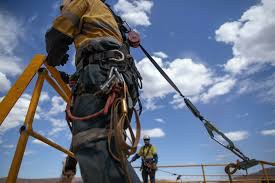
Navigating the Risks of Working at Heights: Why Training Matters
Working at heights can pose serious safety risks for employees in various industries. Falls from elevation account for a significant percentage of workplace injuries and fatalities, making it crucial for organizations to adequately train their workers. This blog post delves into the key safety risks of working at heights, the importance of proper training in preventing accidents, and how effective emergency response planning can mitigate dangers associated with working at height.
Common Hazards Associated with Working at Heights
Employees who work at elevations face a range of hazards that can lead to falls and serious injuries. Recognizing these hazards is the first step towards prevention:
- Falls: The most apparent risk when working at heights, falls can result from a lack of guardrails, unstable surfaces, and inadequate safety gear.
- Unstable Surfaces: Working on ladders, scaffolding, or unstable roofs can increase the risk of slips and falls, especially if proper measures aren’t taken.
- Weather Conditions: Adverse weather such as rain, wind, or snow can compromise stability and increase the likelihood of accidents.
- Equipment Failures: Faulty or poorly maintained equipment such as scaffolds, harnesses, and lanyards can lead to accidents during work at heights.
The Role of Working at Heights Training
Providing employees with Working at Heights training is essential for equipping them with the knowledge and skills needed to work safely at heights. The training covers a spectrum of topics:
- Identification of risks and hazards associated with working at heights.
- Correct use of personal protective equipment (PPE), such as harnesses and helmets.
- Understanding the dynamics of fall protection systems, including guardrails and safety nets.
- Safe practices when using ladders, scaffolding, and aerial lifts.
Certification received from a Working at Heights Course also boosts worker confidence, ensuring that they are well-prepared to handle the challenges of their job.
Fall Protection Systems: A Key Component
Fall protection systems are critical for preventing accidents when working at heights. These systems include:
- Harnesses and Lanyards: These devices are designed to stop a fall or reduce the impact of a fall. Proper fitting and regular inspection are essential for their effectiveness.
- Guardrails: Installed around the edges of platforms and roofs, guardrails prevent workers from falling over the edge.
- Safety Nets: Located below working surfaces, safety nets can catch falling workers and tools, minimizing injury and equipment damage.
The proper implementation of these systems can drastically reduce the number of fall-related injuries and fatalities.
Emergency Response Planning
No safety plan is complete without a robust emergency response strategy. In the event of an accident, having a predetermined plan can save lives:
- Develop clear emergency procedures tailored to specific operations involving heights.
- Conduct regular training drills to prepare employees for potential fall scenarios.
- Ensure that rescue equipment is available, accessible, and that employees are trained in its use.
- Maintain open lines of communication so workers can report hazardous conditions promptly.
Real-Life Case Studies Demonstrating the Importance of Training
The benefits of Certified Working at Heights Training are exemplified through numerous case studies where training and preparation prevented accidents:
- Case Study 1: At a construction site in Dublin, a worker was secured with a harness while working on scaffolding. Due to proper training, he recognized a misalignment in the scaffolding and reported it before any further work occurred. His quick action prevented what could have been a serious incident.
- Case Study 2: In a Cork-based utility company, all workers were required to undergo a Working at Heights Course Online. When a heavy gust of wind hit while workers were on a rooftop, the trained response team quickly secured all workers and utilized safety nets, preventing injury and property damage.
- Case Study 3: A Galway maintenance team was called to inspect high-rise windows. Thanks to their Working at Heights Safety Course training, they correctly set up guardrails and ensured all safety lines were checked before commencing work. Their diligence resulted in zero accidents throughout their project.
Conclusion: Invest in Safety Today
Activities involving working at heights will always come with inherent risks. However, through comprehensive Working at Heights Certification programs, organizations can significantly reduce the frequency of accidents and protect their employees. Emphasizing training, fall protection, and emergency responsiveness can safeguard lives while promoting a culture of safety. For those interested in enhancing their safety protocols, consider enrolling in a Working at Heights Certification Ireland course.
To learn more about our certified training, visit Working at Heights Course or contact us at [email protected].



































