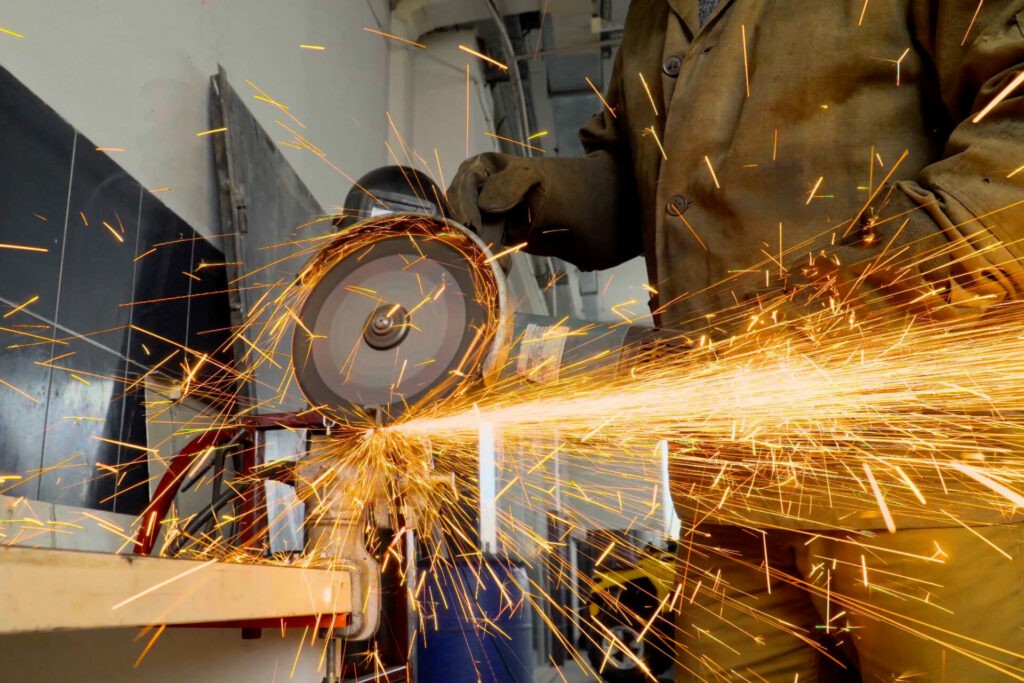
Navigating the Safety Hazards of Abrasive Wheels: The Critical Role of Training
Abrasive wheels are powerful tools commonly used in various industries, aiding in cutting, grinding, and polishing. Despite their widespread use, they pose significant safety risks when not handled properly. Injuries from improper use of abrasive wheels can not only lead to severe personal harm but also disrupt workplace operations and result in financial losses. In this blog post, we will delve into the key safety risks associated with abrasive wheels, the importance of proper training, and best practices to mitigate these risks.
Key Safety Risks of Abrasive Wheels
Understanding the dangers associated with abrasive wheels is essential for creating a safer work environment. Here are some of the most common safety risks:
- Wheel Breakage: One of the most significant hazards occurs when abrasive wheels break during use, which can cause flying debris that poses a serious risk of injury.
- Improper Mounting: Improperly mounted wheels can cause significant imbalance, leading to excessive vibration, reduced cutting efficiency, and potential accidents.
- Incorrect Usage: Using the wrong type of abrasive wheel for a specific application can compromise safety. For instance, using a wheel rated for metal on wood can lead to accidents.
- Lack of Protective Equipment: Not wearing appropriate personal protective equipment (PPE) like safety goggles, face shields, and gloves increases the risk of injury significantly.
- Inadequate Maintenance: Failing to regularly inspect and maintain abrasive wheels can lead to malfunctions that contribute to workplace accidents.
The Importance of Abrasive Wheels Training
Proper training is crucial for anyone who operates abrasive wheels. It empowers workers to identify hazards, use protective equipment correctly, and implement safety measures. Here’s why abrasive wheels training is indispensable:
- Enhanced Hazard Awareness: Training helps workers recognize potential hazards associated with abrasive wheels, enabling them to take preventive actions.
- Correct Handling Techniques: Training teaches operators the correct mounting and usage techniques, minimizing the likelihood of misuse.
- Emergency Response Preparedness: Workers trained in safety protocols can respond effectively to accidents, reducing the severity of these incidents.
- Regulatory Compliance: Many countries require certification for operating high-risk equipment; proper training ensures compliance with these regulations.
Real-Life Case Studies: Accidents Prevented by Training
Understanding how training has played a pivotal role in preventing workplace accidents can emphasize its importance. Here are a couple of real-life examples:
Case Study 1: The Manufacturing Plant Incident
A manufacturing plant in Dublin experienced several near-misses due to improper use of abrasive wheels. After a comprehensive Abrasive Wheels Training program was implemented, workers learned about the proper mounting techniques and the significance of using the right wheel for specific tasks. As a direct result, there were no reported accidents involving wheel breakage in the six months following the training.
Case Study 2: The Construction Site Near-Miss
In a Galway construction project, a worker was almost injured by debris from a shattered abrasive wheel. Fortunately, the crew had recently completed an Abrasive Wheels Safety Course, which emphasized the importance of regular wheel inspections. Because of this training, the worker adjusted their operations and implemented daily checks before work, ultimately preventing what could have been a serious accident.
Best Practices for Safe Operation of Abrasive Wheels
Implementing best practices for the use of abrasive wheels can significantly mitigate risks. Here are some expert recommendations:
- Conduct Regular Risk Assessments: Regular assessments of the workplace help identify potential hazards and ensure safety protocols are followed.
- Perform Routine Equipment Inspections: Establish a maintenance schedule for inspecting abrasive wheels and other related equipment.
- Always Use PPE: Make it mandatory for all workers to wear appropriate protective gear when operating abrasive wheels.
- Establish Clear Operating Procedures: Document and communicate standard operating procedures for using abrasive wheels to ensure consistency.
Conclusion: Take Action to Ensure Safety
Abrasive wheels are invaluable tools, but their potential hazards cannot be overlooked. Proper training is essential in empowering workers to navigate these risks effectively. Providing certified Abrasive Wheels Training not only protects employees but also enhances productivity and compliance. Don't wait for an accident to occur; enroll your team in an Abrasive Wheels Course Online today.
For more information or to enquire about our Abrasive Wheels Certification Dublin, contact us at [email protected].