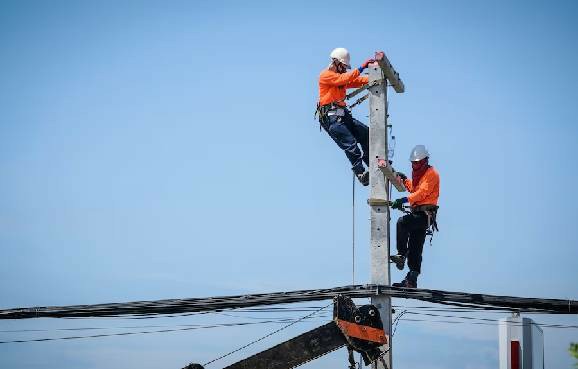
Navigating Weather Challenges: Ensuring Safety When Working at Heights
Working at heights comes with its own set of challenges, and weather conditions can significantly exacerbate these risks. Understanding how various weather elements like wind, rain, snow, and extreme temperatures affect safety on the job is crucial for every worker and employer. This blog will explore the impacts of these weather conditions on working at heights and how proper training and equipment can ensure safety.
The Impact of Wind on Working at Heights Safety
Wind is one of the most critical weather factors to consider when working at heights. Strong winds can cause:
- Instability: High winds can make ladders, scaffolding, and aerial lifts unstable, increasing the risk of falls.
- Increased Fatigue: Workers may expend more energy trying to maintain balance against the wind, which can lead to exhaustion.
- Tool Dropping: Equipment may be easily knocked out of workers' hands, posing risks to those below.
During windy conditions, it is essential to assess the wind speed and determine safe working limits. Workers should take regular breaks to minimize fatigue and ensure they are using the correct Personal Protective Equipment (PPE) designed to withstand these conditions.
Rain: Slippery Surfaces and Visibility Issues
Rain can create hazardous conditions when working at heights by:
- Creating Slippery Surfaces: Wet surfaces on ladders, scaffolding, and building roofs significantly increase the risk of falls.
- Reducing Visibility: Heavy rain can obstruct visibility, making it difficult for workers to see their surroundings and avoid hazards.
To mitigate risks associated with rain, it's critical to:
- Inspect and clean surfaces to ensure they are less slippery.
- Use slip-resistant footwear.
- Employ protective measures to enhance visibility, such as high-visibility clothing or additional lighting solutions.
Snow and Ice: A Double Whammy of Danger
Snow and ice present unique challenges, including:
- Increased Fall Risk: Ice can make surfaces dangerously slippery, leading to slips and falls.
- Equipment Complications: Snow build-up can obstruct ladders and scaffoldings, creating hazards.
- Cold Weather Risks: Extreme cold can impact physical and mental performance, reducing workers' ability to identify hazards.
Best practices to stay safe during adverse weather include:
- Regularly clearing snow and ice from work areas.
- Using ice grips or cleats on footwear.
- Monitoring weather forecasts to make informed decisions about work delays.
Extreme Temperatures and Their Impact
Working in extremely hot or cold conditions can also affect safety when at heights. Challenges may include:
- Heat Stress: In high temperatures, heat exhaustion can impair judgment and physical capabilities, increasing fall risk.
- Hypothermia: Prolonged exposure to cold can lead to serious health risks, affecting coordination and awareness.
Implementing safety measures is crucial:
- Provide access to water and shaded areas for hydration and cooling.
- Ensure appropriate clothing for extreme temperatures.
- Establish a buddy system for monitoring each other's health in extreme conditions.
Importance of Comprehensive Training
Proper training is essential when it comes to working at heights safely in adverse weather conditions. A comprehensive Working at Heights Safety Course prepares workers to:
- Recognize and assess weather-related risks.
- Implement safety measures effectively based on weather assessments.
- Utilize appropriate PPE and tools fitted for adverse weather conditions.
Investing in Certified Working at Heights Training ensures that workers are well-equipped to face the challenges of their environment. For those interested, many Working at Heights Courses Online are available, making training accessible and flexible.
Conclusion: Stay Safe, Stay Prepared
Weather conditions play a vital role in workplace safety when working at heights. Understanding the risks associated with wind, rain, snow, and extreme temperatures, along with comprehensive training, allows workers to make informed decisions to protect themselves and their colleagues.
Ultimately, investing in a Working at Heights Certification not only ensures safety but also enhances overall productivity. For additional information and access to our specially designed courses, visit here or contact us at [email protected].