


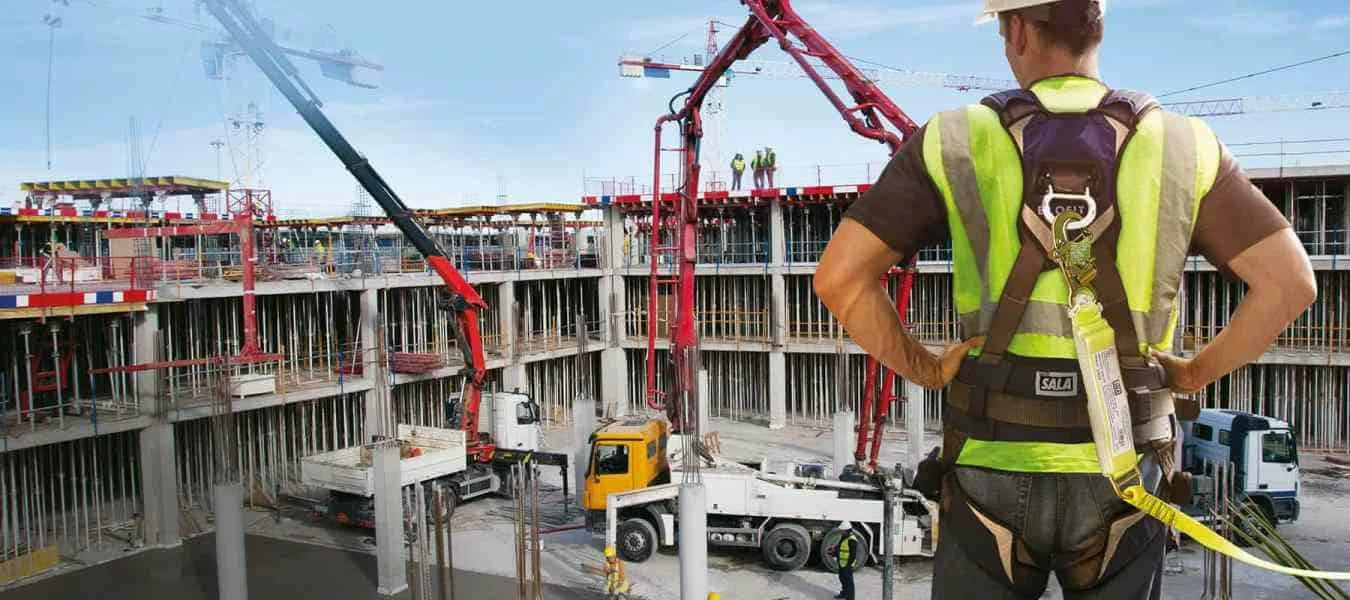
Navigating Your Options: Choosing the Ideal Working at Heights Training Provider in Ireland
When it comes to ensuring the safety of employees working at heights, selecting the right training provider is crucial. In Ireland, the importance of proper Working at Heights Training cannot be overstated, as it not only fulfills regulatory requirements but also protects the workforce from potential hazards. This guide will help businesses and individuals identify the best certified working at heights training providers, focusing on key criteria such as accreditation, course structure, trainer expertise, and training delivery methods.
Understanding the Importance of Accreditation
Accreditations serve as a benchmark for the quality and reliability of training providers. Here are a few key organizations that accredit Working at Heights Certification in Ireland:
- Health and Safety Authority (HSA): Regulates working at heights training to ensure compliance with national safety standards.
- Health and Safety Executive (HSE): Provides guidelines and approvals for training content and methodologies.
- Royal Society for the Prevention of Accidents (RoSPA): Recognized for promoting safety through high-quality training initiatives.
Before enrolling, verify that the training provider is accredited by one or more of these authorities to ensure that the course content meets industry standards and legal requirements.
Evaluating Course Content
Once you confirm a provider's accreditation, the next step is analyzing course content. A comprehensive Working at Heights Course should cover:
- Understanding laws and regulations related to working at heights
- Identification and assessment of risks
- Proper use of equipment such as harnesses, ladders, and scaffolding
- Techniques for working safely at heights
- Emergency procedures and rescue operations
Additionally, check if the provider offers specific training that aligns with your industry needs (construction, maintenance, etc.). Detailed content can significantly impact overall safety and compliance, reducing risks associated with working at heights.
Online vs. In-Person Training Options
Flexibility in training methods is also a vital consideration. Many providers offer both Working at Heights Online Course and in-person training, each having its own benefits:
- Online Training: Typically more flexible, allowing employees to complete the course at their own pace. Look for interactive elements like videos and quizzes to enhance engagement.
- In-Person Training: Offers hands-on experience, which is crucial for learning the practical aspects of working at heights. Trainers can assess skills in real-time.
Decide which option best suits your organization’s needs. Many firms find a blended approach beneficial, where e-learning precedes hands-on training.
Cost Considerations
Budget is another important factor. While it might be tempting to select the cheapest option, the quality of training and the long-term benefits should hold more weight in your decision-making process. Costs can vary based on:
- Provider's reputation and accreditation
- Course duration and depth of content
- Additional resources and post-training support
Request quotes from multiple providers, but ensure you ask about all hidden costs, including equipment fees, materials, and certification fees.
Trainer Expertise and Experience
The effectiveness of the training will depend significantly on the instructor's experience. Check the following:
- Instructors' qualifications and certifications in Working at Heights Safety
- Years of experience in providing training
- Real-world experience in working at heights
- Feedback from past trainees about their teaching methods
Don't hesitate to reach out to previous trainees for their insights regarding the training quality and trainer effectiveness.
Gathering Reviews and Testimonials
Before making a final selection, consider researching reviews and testimonials about the training provider. Reliable sources include:
- The provider’s website for case studies and testimonials
- Social media platforms and professional networks for firsthand accounts
- Review sites where businesses share feedback about training experiences
Positive feedback from former trainees can reinforce your confidence in the provider’s quality.
Checklist: Essential Criteria for Choosing a Provider
To streamline your decision-making process, use the following checklist before settling on a Working at Heights Certification Dublin provider:
- [ ] Accreditation from HSA, HSE, or RoSPA
- [ ] Comprehensive course content relevant to your industry
- [ ] Flexibility in training methods (online vs. in-person)
- [ ] Competitive and transparent pricing
- [ ] Experienced and certified trainers
- [ ] Positive reviews and testimonials
- [ ] Post-training support and resources
By following this checklist, you will be well on your way to making an informed decision!”
Conclusion
Selecting the right provider of Certified Working at Heights Training is fundamental in ensuring the safety and compliance of your workforce. Emphasize accreditation, course content, and flexibility in your search for the ideal training solution. With the right training provider, you’ll foster a culture of safety that benefits your employees and your organization’s bottom line.
For further guidance on Working at Heights Safety Courses and a comprehensive list of accredited providers, visit Ireland Safety Training or reach out via email at [email protected].



































