Online Manual Handling Certification: Elevate Workplace Safety & Efficiency
In today's fast-paced work environment, ensuring safety and compliance in manual handling is paramount for organizations across Ireland. With the advent of fully online training programs, obtaining your Manual Handling Certification has never been easier or more essential. This guide will walk you through the critical aspects of manual handling training, focusing on legal compliance, injury prevention, and workplace efficiency.
The Importance of Manual Handling Training for Workplace Safety & Compliance
Manual handling refers to the transportation or support of a load by hand or bodily force. This can include lifting, pushing, pulling, carrying, or moving objects. Whether you’re in a warehouse, healthcare facility, construction site, or office, manual handling is a daily occurrence. Poor techniques can lead to severe workplace injuries, affecting productivity and causing legal complications for employers.
Under Irish law, employers are required to mitigate risks associated with manual handling. This makes Manual Handling training essential for all employees. Compliance with Health and Safety regulations not only safeguards workers but also enhances the overall productivity of the workplace.
Understanding Manual Handling Risks & Legal Safety Requirements in Ireland
Workplaces must conduct risk assessments that identify hazards related to manual handling tasks. Common risks include:
- Improper lifting techniques
- Excessive weight loads
- Inadequate space for maneuvering
- Repetitive movements
Legal guidelines mandate that employers provide adequate Manual Handling training to reduce these risks. Regularly updated training courses ensure compliance with changing regulations, safeguarding both workers and companies from potential legal ramifications.
Best Practices for Safe Lifting & Injury Prevention in the Workplace
The importance of safe lifting techniques cannot be overstated. Implementing proper handling techniques significantly lowers the risk of injuries. Here are some best practices:
- Assess the load: Before lifting, evaluate the weight and suitability of the object.
- Plan the lift: Clear your path and ensure you have a stable base.
- Use ergonomic techniques: Bend your knees and keep your back straight to minimize strain.
- Communicate: If you're lifting with a colleague, ensure all parties are coordinated.
The Benefits of Online Manual Handling Certification for Employees & Employers
Opting for an online manual handling course offers numerous advantages:
- Flexibility: Employees can complete the training at their convenience, reducing downtime.
- Cost-Effective: Online courses often have lower fees, and employers can save on travel expenses.
- Accessible Resources: Participants can revisit course materials anytime, reinforcing learning.
- Customized Learning: Different modules can cater to specific workplace scenarios.
How to Get Certified in Manual Handling Online: A Step-by-Step Guide
Here's how to get your Online Manual Handling Certification:
- Choose a recognized training provider: Look for accredited online courses.
- Register for the course: Complete the enrollment process on the training provider's website.
- Complete the training modules: Go through the e-learning materials and participate in any interactive sessions.
- Pass the assessment: Successfully complete the final assessment to receive your certification.
- Receive certification: Get your certificate digitally, ready to showcase your compliance.
Why Online Manual Handling Training is More Effective & Cost-Saving
With many organizations facing budget constraints, online training proves to be an economical solution. Not only does it save money, but it also maximizes employee time, allowing them to focus on their tasks while ensuring they receive up-to-date safety training. Moreover, online modules can be regularly updated to reflect any changes in legal requirements or workplace safety protocols.
Common Workplace Injuries & How Manual Handling Training Helps Prevent Them
Manual handling injuries are among the most common in occupational settings. These can range from muscle strains, back injuries, to long-term complications such as chronic pain. Evidence shows that comprehensive manual handling training significantly reduces the incidence of such injuries. Organizations that invest in manual handling courses can see both a decrease in worker compensation claims and an increase in overall workplace morale.
Best Practices for Safe Manual Handling Across Different Industries
Different sectors have unique challenges when it comes to manual handling:
- Healthcare: Training focuses on how to lift patients safely and efficiently.
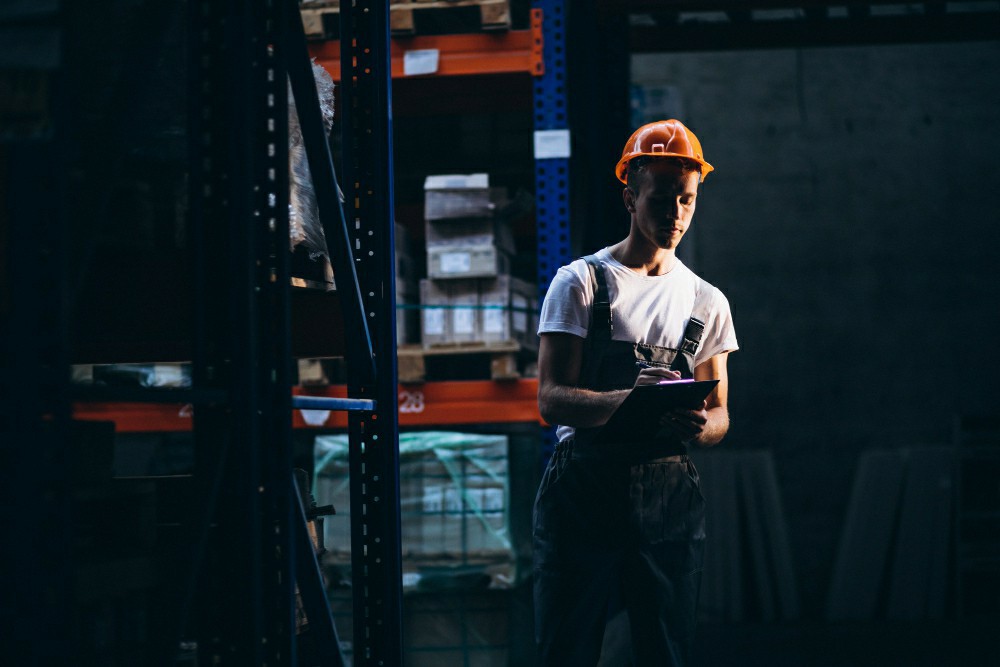
- Warehouse: Emphasizes the safe lifting of heavy objects and the use of equipment.
- Construction: Covers proper techniques for handling tools and materials.
- Office: Teaches ergonomic practices while lifting office supplies or equipment.
Ongoing training and refreshers are vital, regardless of the industry, to stay updated on the best practices in manual handling.
Conclusion & Call to Action
Don’t leave workplace safety to chance. Ensure your organization is compliant, and your employees are well-trained with online Manual Handling Certification. Visit Irish Manual Handling to explore our training courses and enroll today!
For direct inquiries, feel free to contact us at [email protected].