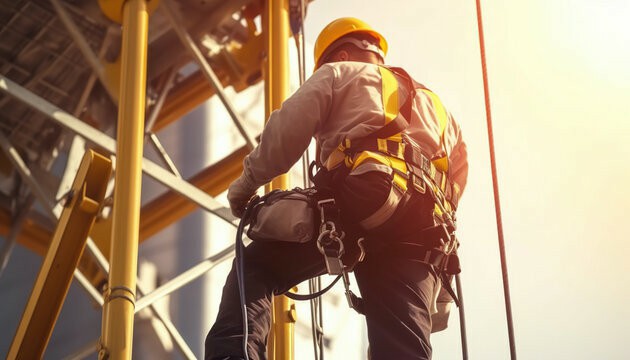
Preventing Accidents: The Role of Working at Heights Training in Safety Compliance
In industries where employees work from elevated surfaces, the consequences of a fall can be severe or even fatal. Organizations must prioritize safety training to mitigate risks associated with Working at Heights. This blog post delves into how proper training not only ensures compliance with safety regulations but also plays a critical role in safeguarding workers. We’ll highlight a real-world case study that epitomizes the benefits of Working at Heights training and discuss essential elements such as risk assessment, safety gear usage, and emergency preparedness.
Understanding Working at Heights Training
Working at Heights Training is a specialized program designed to educate workers about the hazards of working at heights and how to safely mitigate those risks. This training includes:
- Fall prevention strategies
- Proper use of personal protective equipment (PPE)
- Understanding the importance of fall protection systems
- Emergency response planning
Compliance with safety regulations, such as OSHA or local standards, is also emphasized, which is crucial for organizations operating in high-risk environments.
Real-Life Case Study: A Construction Site Success Story
In a recent incident at a construction site in Dublin, a major accident was averted thanks to the proactive measures taken after employees underwent certified Working at Heights Training. During a routine job, a worker was assigned to install roofing materials on a tall structure. As he ascended the scaffolding, he noticed a shift in the stability of the scaffolding structure.
Due to his training, he was equipped to conduct a quick risk assessment:
- He recognized that the base of the scaffolding was uneven, which could pose a significant risk.
- He communicated the issue immediately to the site supervisor, requesting an inspection of the setup.
- Using proper fall protection gear, he secured himself using a harness while waiting for the supervisor's approval to proceed.
This scenario demonstrates how thorough training enabled an employee to recognize potential hazards and take proactive steps to prevent a potential fall and serious injury.
Key Factors that Contributed to Accident Prevention
The following factors were instrumental in preventing an accident at the Dublin construction site:
1. Risk Assessment
Risk assessment is a critical component of Working at Heights Training. Workers trained in identifying hazards can intervene before a potentially dangerous situation escalates.
2. Proper Use of Safety Gear
In this case, the worker’s proper use of personal protective equipment—including helmets, harnesses, and lanyards—demonstrated the impact of safety training on real-world situations.
3. Effective Communication
The ability to communicate effectively about hazards, as illustrated when the worker reported the instability of the scaffolding, is an essential skill taught during training.
4. Emergency Preparedness
Employees trained in emergency response actions know how to react swiftly in case of an incident, significantly enhancing workplace safety.
Statistics Supporting the Effectiveness of Working at Heights Training
Studies show that companies prioritizing safety training see a notable decline in workplace accidents. Statistics reveal:
- Organizations with robust safety training reduce fall-related accidents by up to 50%.
- Workers trained in safety procedures report a better understanding of risks, resulting in lower incident rates.
- Investing in safety training not only saves lives but also decreases insurance costs and liabilities for businesses.
Conclusion: The Importance of Investing in Training
The case study from Dublin illustrates the direct correlation between proper Working at Heights training and accident prevention. By equipping employees with the right knowledge and skills, companies can significantly reduce the risks associated with high-altitude tasks.
As workplace safety concerns grow, integrating comprehensive safety programs such as a Working at Heights Course is essential for any business. Investing in certified training is not just a regulatory requirement; it's a commitment to the safety and well-being of your employees.
Contact us at [email protected] to learn more about our Working at Heights Training options and how we can help your team stay safe and compliant.