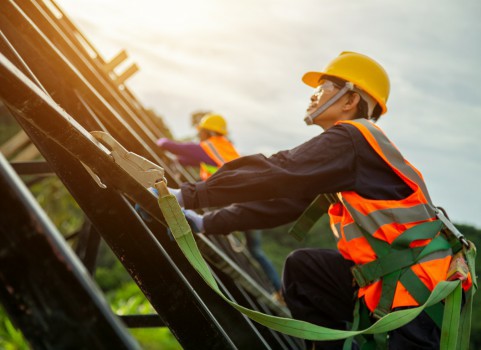
Preventing Falls: The Essential Role of Working at Heights Training in Workplace Safety
Working at heights presents a unique set of challenges and risks that demand stringent safety measures and robust training. From construction sites to maintenance work on high-rise buildings, the potential for accidents is significant. In this blog post, we will delve into the key safety risks associated with working at height, the importance of proper training, the use of fall protection systems, and effective emergency response planning.
The Risks of Working at Heights
Every year, falls from heights remain one of the leading causes of workplace injuries and fatalities. Understanding the common hazards is the first step in ensuring safety. Some of the primary risks include:
- Falls: The most apparent risk is falling from ladders, scaffolds, or roofs due to slips, missteps, or miscalculations.
- Unstable Surfaces: Working on surfaces that are slippery, uneven, or not adequately maintained can increase the risk of falling.
- Weather Conditions: Rain, wind, or other adverse weather can affect stability and visibility, making it more challenging to work safely at heights.
- Equipment Failures: Malfunctioning equipment, such as ladders, scaffolding, or safety harnesses, can lead to severe accidents.
How Working at Heights Training Prevents Accidents
Proper training plays a crucial role in mitigating the risks associated with working at heights. Through Working at Heights training, employees gain the necessary knowledge and skills to work safely. Here are some critical components of effective training:
- Awareness of Hazards: Training includes identifying potential hazards on-site and understanding how to mitigate those risks.
- Proper Use of Personal Protective Equipment (PPE): Workers learn how to correctly use fall protection systems like safety harnesses, lanyards, and guardrails.
- Emergency Response Planning: Participants learn how to react in the event of an incident, including rescue procedures and first-aid techniques.
- Real-Life Case Studies: Educators can share examples of past incidents that illustrate the consequences of inadequate training and highlight the value of proper practices.
The Importance of Fall Protection Systems
Fall protection systems are essential safety tools when working at height. Training provides information on various systems and how to use them effectively:
- Safety Harnesses: Understanding how to wear and adjust harnesses ensures maximum protection.
- Lanyards and Lifelines: Training covers attaching lanyards correctly to prevent falls and using lifelines as safety measures.
- Guardrails and Safety Nets: Installing guardrails correctly and understanding when safety nets are appropriate can significantly reduce fall risk.
Case Studies: Real-Life Successes of Working at Heights Training
Several case studies demonstrate the effectiveness of proper training in preventing workplace accidents:
- Case Study 1: At a Dublin construction site, a team of workers participated in a Working at Heights Safety Course. When tasked with repairing a rooftop, they identified unstable surfaces before starting the job. By adhering to safety protocols taught in training, including the proper use of harnesses and guardrails, they successfully completed the task without incident.
- Case Study 2: In Galway, a maintenance team was scheduled to perform routine checks on high structures. After undergoing a Working at Heights Certification course, team members recognized the danger posed by inclement weather and delayed the work until conditions improved, ultimately avoiding a potential fall incident.
Emergency Response Planning
Even with appropriate training and precautions, accidents can still happen. Therefore, having a solid emergency response plan is essential:
- Immediate Action Protocols: Employees should know the steps to take in the event of a fall or accident, including stopping work and seeking assistance.
- Rescue Plans: Ensure that there are clear plans for rescuing fallen workers, which can include first responders as well as trained onsite personnel.
- Communication Systems: Workers must know how to communicate emergencies quickly and effectively, ensuring that help is on the way.
Conclusion
Working at heights carries significant risks, but with proper training, the likelihood of accidents can be greatly reduced. Enrolling in a certified Working at Heights course is an essential step for businesses and employees committed to safety. Whether in Dublin, Cork, or Galway, investing in training can save lives and prevent serious injuries. For more information on Working at Heights Training and Certification, or to schedule a course, contact us at [email protected].