Safeguarding Your Workforce: Avoiding Common Abrasive Wheels Mistakes in Ireland
Abrasive wheels are essential tools in various industries, from manufacturing and construction to woodworking and metalworking. However, improper handling can lead to severe accidents and injuries. This blog delves into the most common mistakes employees make when using abrasive wheels and how proper training can mitigate these risks.
The Dangers of Improper Abrasive Wheels Usage
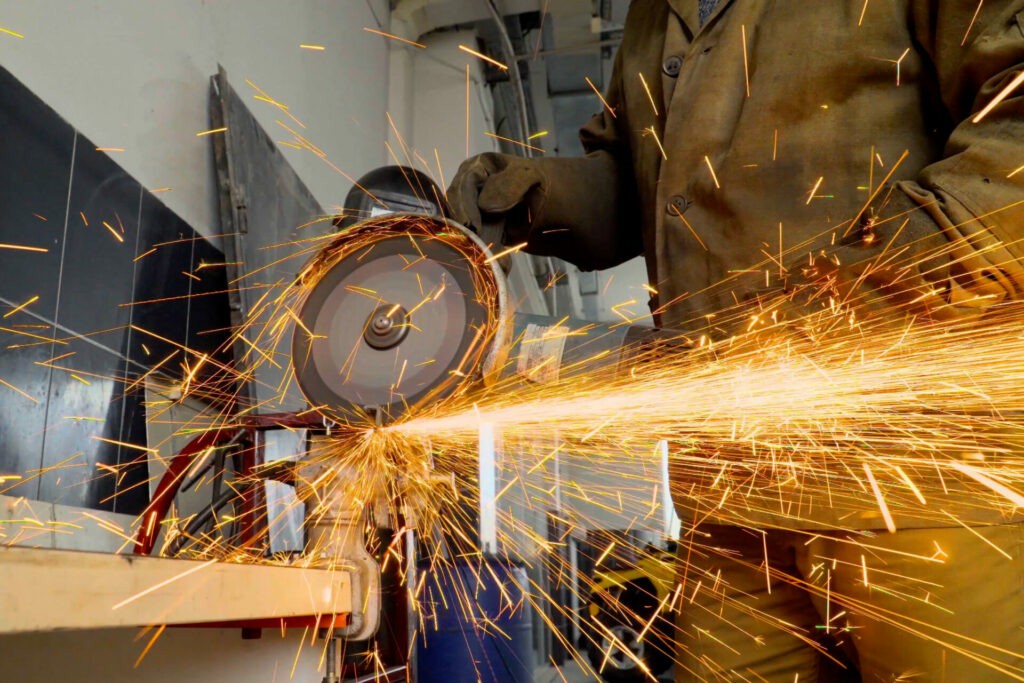
Working with abrasive wheels poses significant hazards, including:
- Flying debris and sparks
- Inhalation of dust and fumes
- Equipment malfunction
- Injuries from improper handling
Given these risks, it’s imperative for workers across cities like Dublin, Cork, Galway, and Limerick, to be adequately trained.
Common Mistakes When Using Abrasive Wheels
1. Incorrect Equipment Usage
One of the gravest errors workers make is using the wrong type of abrasive wheel for the material being worked on. For example, using a wheel designed for cutting metal on masonry can lead to insufficient cutting and increased wear and tear, ultimately causing accidents.
2. Lack of Risk Assessment
Before starting work, failing to conduct a thorough risk assessment is another prevalent mistake. A lack of risk analysis can overlook potential hazards associated with the specific tasks involving abrasive wheels, leading to dangerous situations. Employees need to evaluate their workspace and determine safety hazards before commencing tasks. This is crucial in cities like Waterford and Galway, where existing environmental conditions may exacerbate risks.
3. Neglecting Safety Procedures
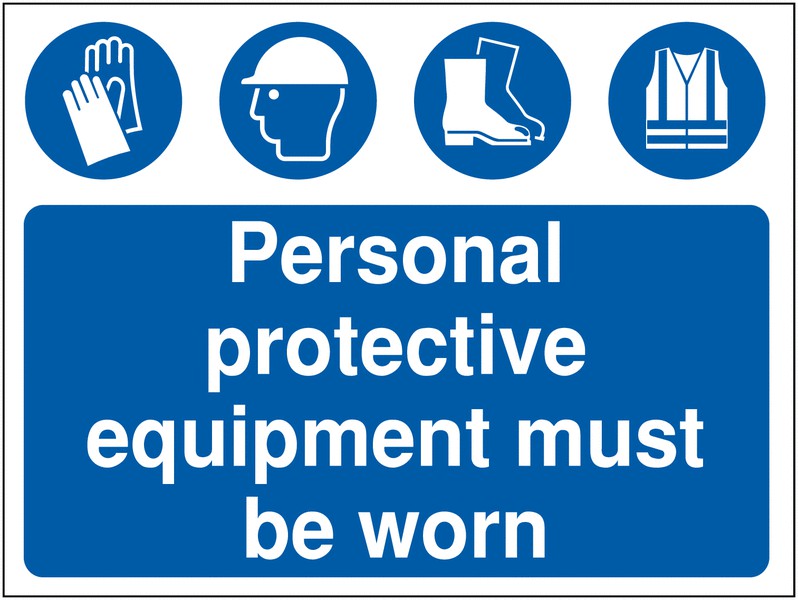
Ignoring established protocols for using abrasive wheels is a critical mistake. Procedures such as checking the wheel's condition, ensuring proper PPE (personal protective equipment) usage like gloves, goggles, and masks are essential yet often skipped. A case in point: a Cork manufacturing facility reported multiple hand injuries attributed to employees neglecting to wear safety gloves while handling abrasive materials.
Real-World Examples of Accidents
Improper handling of abrasive wheels can result in catastrophic outcomes. For instance, an incident in a Dublin workshop involved a worker who ignored the proper installation methods for an abrasive wheel, which ultimately shattered during use, causing injury. Such accidents can often be prevented through enhanced Abrasive Wheels training.
The Importance of Training in Preventing Mistakes
Proper training is crucial to cutting down on the errors associated with abrasive wheel usage. Training programs, such as the Abrasive Wheels Course in Ireland, provide workers with the knowledge and skills needed to handle equipment safely. Programs are available in multiple cities, including:
- Abrasive Wheels Training Dublin
- Abrasive Wheels Training Cork
- Abrasive Wheels Certification Galway
- Abrasive Wheels Safety Course Limerick
- Abrasive Wheels Certification Waterford
This hands-on training addresses common errors, explains risk assessments, emphasizes the importance of PPE, and creates a culture of safety in the workplace.
Best Practices to Ensure Safety
- Conduct regular risk assessments and safety audits.
- Ensure employees have access to protective equipment and understand its importance.
- Implement mandatory training sessions for all personnel operating abrasive wheels.
- Encourage open discussions around safety practices and experiences among workers.
Conclusion: The Path to Safer Operations
It's undeniable: the well-being of employees operating abrasive wheels significantly relies on robust training and adherence to safety procedures. Businesses in cities like Dublin, Cork, Galway, and Limerick should prioritize enrolling their teams in Certified Abrasive Wheels Training to safeguard against common mistakes and ensure lasting workplace safety.
Contact us today at [email protected] to learn more about our courses and get your employees certified!