Safety First: Navigating the Risks of Abrasive Wheels with Expert Training
Abrasive wheels are essential tools in numerous industries, from metalworking to construction. However, when misused, they pose serious safety risks to operators and those nearby. Understanding these risks and implementing comprehensive training programs can significantly reduce workplace accidents. In this post, we’ll dissect common hazards, the importance of Abrasive Wheels training, and best practices for ensuring safety.
Identifying Common Safety Risks
Before we explore how training can mitigate these risks, let’s take a closer look at the typical safety hazards associated with abrasive wheels:
- Wheel Breakage: Abrasive wheels can shatter under stress if not stored, handled, or mounted correctly. This can lead to flying debris causing severe injuries.
- Improper Mounting: Incorrectly mounted wheels can become unstable, leading to accidents during operation. Ensuring proper installation is crucial.
- Wrong Usage: Each abrasive wheel is designed for specific materials and applications. Using the wrong wheel can result in overloading and rapid wear, increasing the risk of breakage.
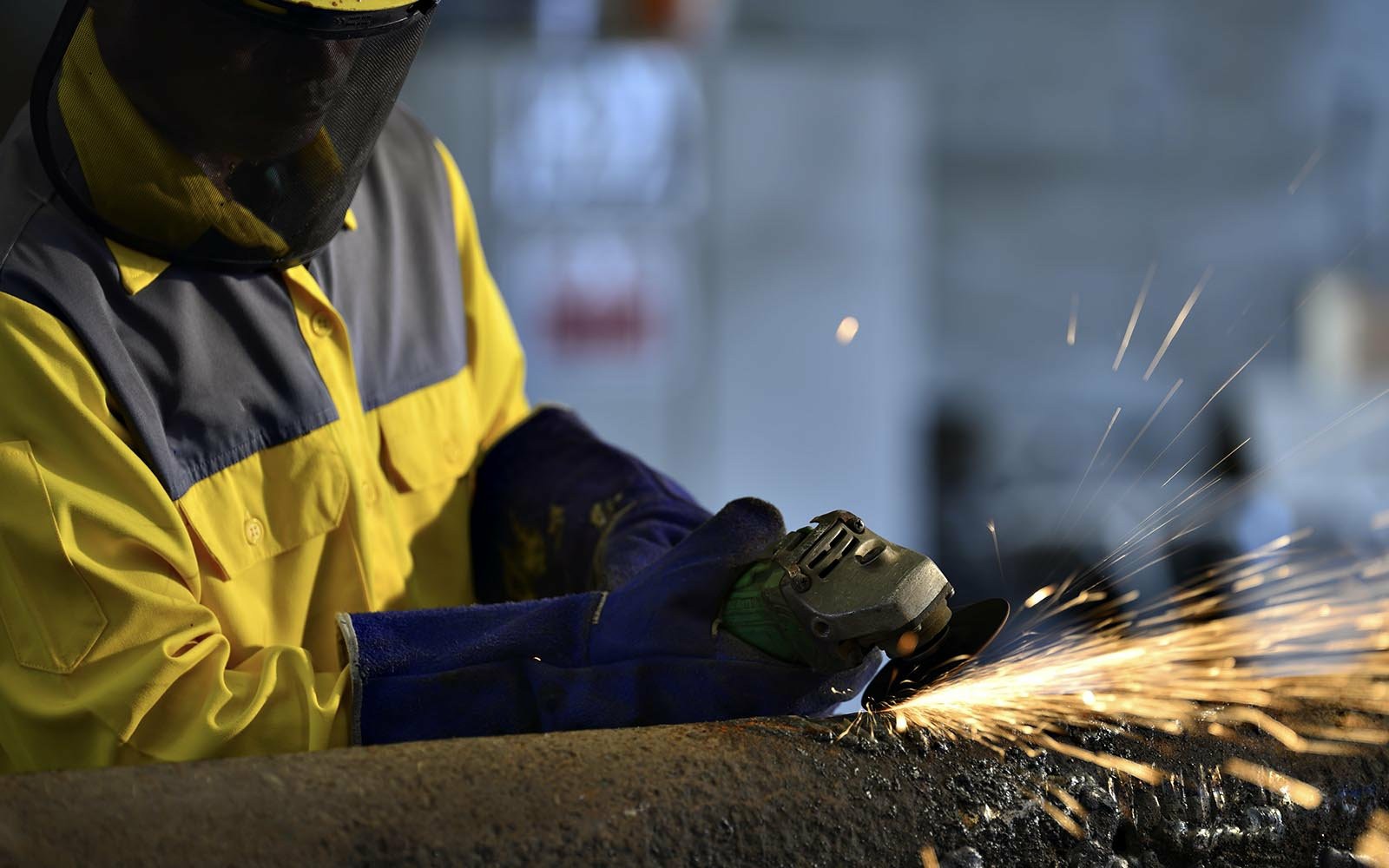
- Lack of Personal Protective Equipment (PPE): Not utilizing protective gear such as face shields and gloves can lead to severe injuries from accidents or debris.
- Inadequate Training: A workforce unaware of the risks and proper usage of abrasive wheels is a major hazard itself. Knowledge gaps can lead to careless mistakes.
The Importance of Proper Training
Training plays a pivotal role in risk mitigation concerning abrasive wheels. Proper Abrasive Wheels training equips workers with the necessary skills to handle these tools safely. Key components of effective training include:
- Hazard Identification: Training teaches employees how to recognize potential hazards and take appropriate safety measures.
- Use of Protective Equipment: Workers learn about the essential protective gear to use, ensuring they are prepared for operation.
- Correct Mounting and Usage Techniques: Training programs cover the best practices for mounting and using abrasive wheels to prevent accidents.
- Emergency Response Procedures: Employees are also instructed on how to respond appropriately in case of an accident, minimizing the impact of injuries.
Real-Life Case Studies: Accidents Prevented by Training
Learning from real-world incidents underscores the necessity of training. Here are a few case studies showcasing how effective abrasive wheels training can save lives:
Case Study 1: The Prevented Wheel Breakage
In a Dublin metal fabrication workshop, a worker was trained in the proper mounting techniques of abrasive wheels. One day, the worker noticed that the wheel was damaged but remembered their training on the importance of inspection before use. They reported this to their supervisor, and the wheel was replaced, avoiding what could have been a catastrophic wheel breakage accident.
Case Study 2: Proper Usage Saves Injuries
In Galway, a construction site utilized an Abrasive Wheels certification course for its team. During a project, an operator recognized they were about to use the wrong wheel for a specific material, recalling the training on material compatibility. They switched to the recommended wheel, preventing potential damage to equipment and injuries.
Best Practices for Abrasive Wheel Safety
To further mitigate risks associated with abrasive wheels, here are some best practices:
- Conduct Risk Assessments: Regularly evaluate workspaces for hazards related to abrasive wheels.
- Perform Safety Inspections: Carry out routine checks on equipment to ensure compliance with safety standards.
- Implement a Safety Culture: Promote a culture where safety is a primary focus, encouraging employees to speak up about hazards.
- Provide Continuous Training: Regular refresher courses ensure employees remain informed about safety best practices.
- Document Safety Procedures: Maintain updated records of safety protocols and ensure they are readily available to workers.
Final Thoughts and Call to Action
The risks associated with abrasive wheels are significant, but they can be effectively managed through proper training and adherence to safety practices. Investing in Abrasive Wheels training is not just a legal obligation but also a moral responsibility to protect workers from harm.
If you’re in Dublin, Cork, or Galway, it’s crucial to enroll your team in a certified Abrasive Wheels course to enhance workplace safety. With professional training, you can prevent accidents and create a safer working environment.
Contact us today at [email protected] to learn more about our training programs and to register for an Abrasive Wheels safety course that suits your company's needs.