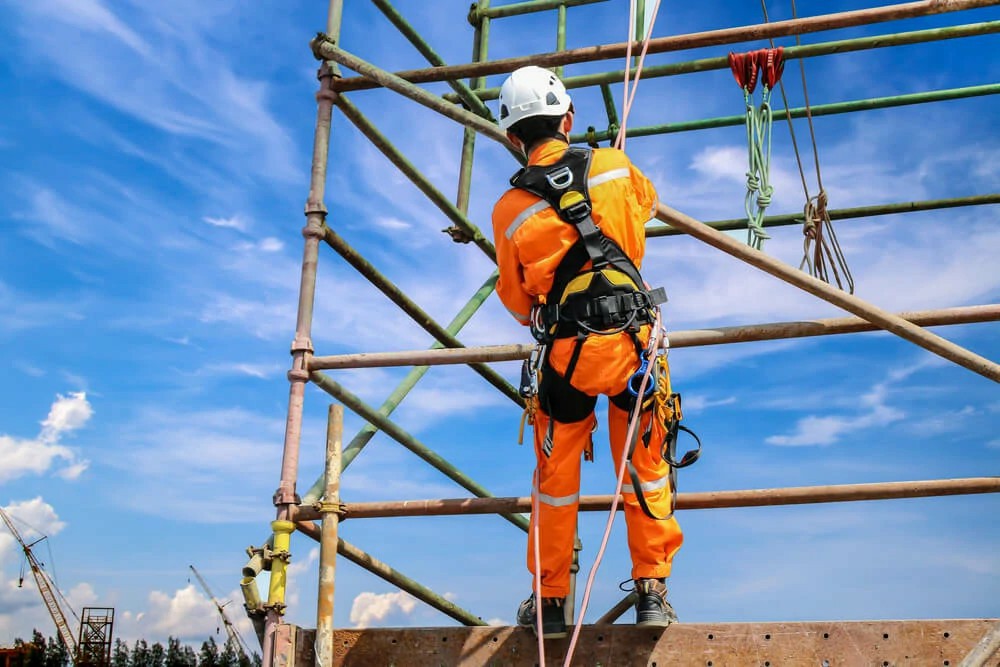
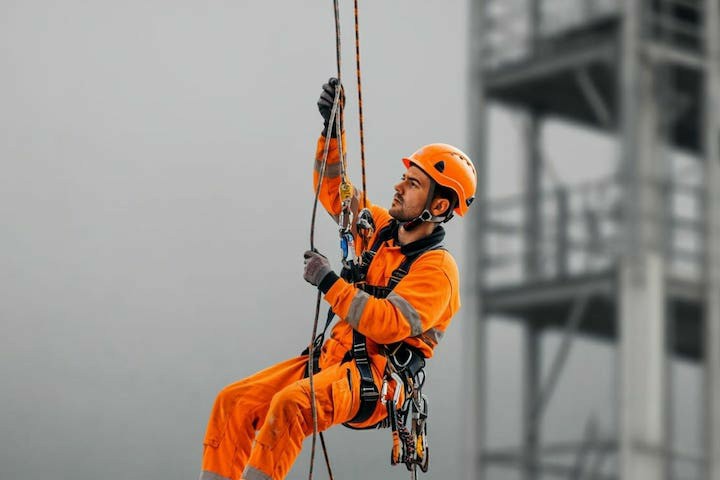
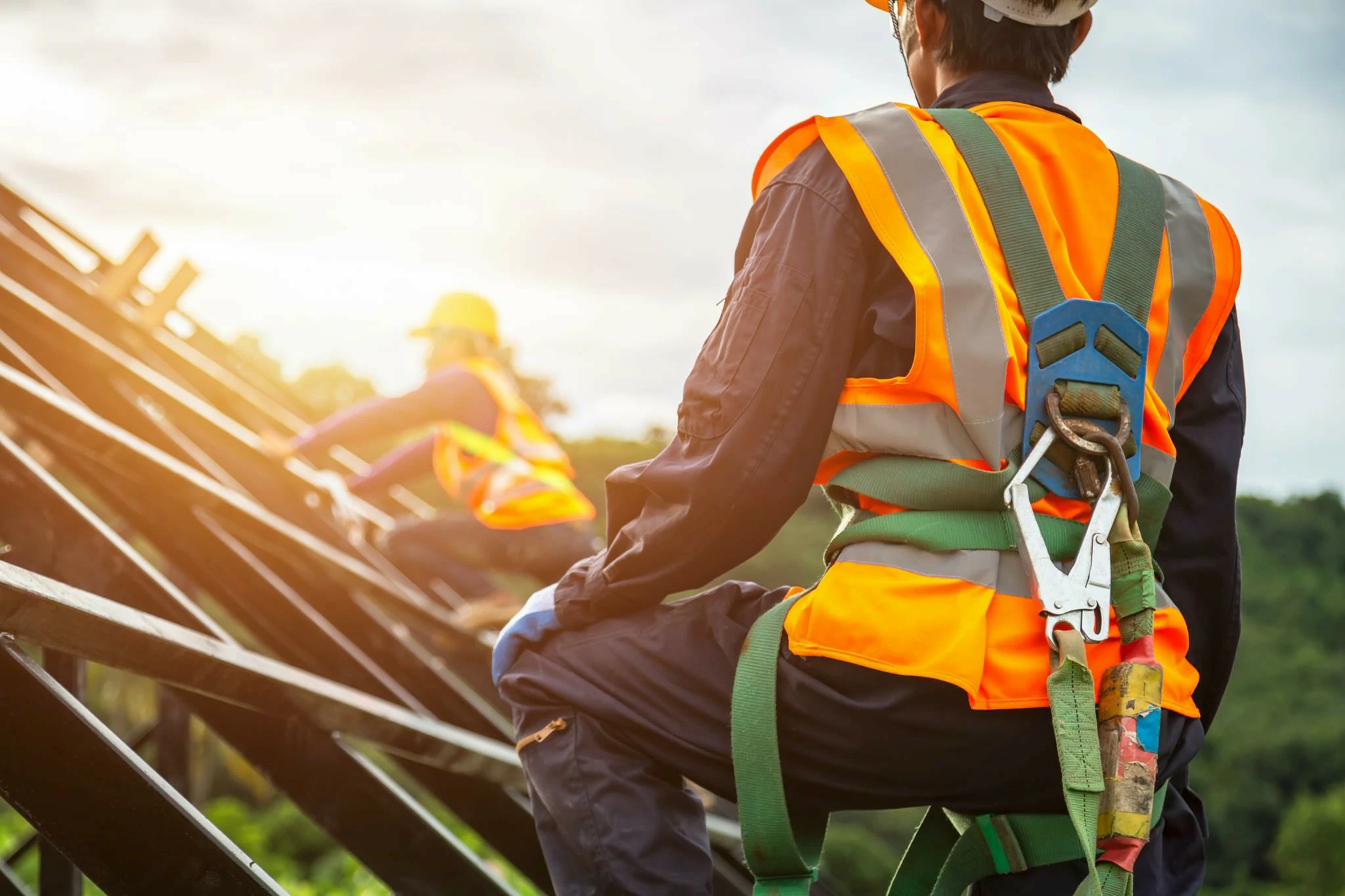
The Consequences of Failing to Comply with Working at Heights Safety Regulations in Ireland
In the world of occupational safety, one area that demands rigorous adherence to regulations is Working at Heights. With many construction and maintenance tasks requiring workers to operate at elevated positions, the potential for accidents is significant. In Ireland, regulations governing Working at Heights are designed to protect employees, but what happens when businesses fail to comply?
Legal Penalties for Non-Compliance
Employers that neglect Working at Heights safety regulations may face serious legal repercussions:
- Fines: Non-compliance can result in hefty fines. Depending on the severity of the violation, these fines can vary greatly, potentially reaching thousands of euros.
- Legal Actions: Victims of workplace accidents, or their families, may pursue legal actions against employers for negligence, leading to costly lawsuits.
- Prosecution: In severe cases, employers may be prosecuted under health and safety laws, leading to further criminal penalties.
Financial Implications of Non-Compliance
The financial losses associated with failing to adhere to Working at Heights regulations extend beyond fines and legal fees:
- Increased Insurance Costs: Businesses that have had previous safety violations or accidents may see their insurance premiums rise significantly.
- Loss of Business: A reputation tarnished by safety incidents can lead to a loss of clients and contracts, severely impacting revenue.
- Compensation Payments: Employers may be required to pay compensation claims from injured workers, which can add up to substantial amounts.
Reputational Damage
In addition to legal and financial consequences, companies must also grapple with the reputational damage that arises from non-compliance:
- Public Perception: Safety violations can lead to negative public opinion, causing potential clients to choose competitors instead.
- Employee Morale: When employees feel unsafe or see their employers disregarding safety standards, it can impact their morale and productivity.
- Lost Trust: Long-term relationships with partners and stakeholders may deteriorate due to reputational concerns.
Real-World Examples of Non-Compliance Consequences
Understanding the implications of Working at Heights non-compliance is crucial. Consider the following examples:
- Case Study 1: A Dublin-based construction firm faced a €100,000 fine after a worker fell from a scaffold due to lack of safety measures. This incident not only resulted in financial penalties but also led to contract losses and increased insurance rates.
- Case Study 2: A maintenance company in Galway was sued for €250,000 after an employee suffered serious injuries while working at height, resulting from inadequate training and safety equipment.
Preventing Issues Through Proper Training
To mitigate the risks associated with Working at Heights, businesses should prioritize Working at Heights Training. Proper training ensures that employees:
- Understand safety regulations and best practices.
- Know how to use safety equipment correctly.
- Are aware of the hazards associated with working at heights.
Employers can invest in programs like Certified Working at Heights Training, which not only helps to create a safer working environment but also demonstrates a commitment to employee welfare. Various options are available, including Working at Heights Course Online, making it accessible for all.
Conclusion: The Vital Importance of Compliance
In conclusion, the consequences of failing to comply with Working at Heights regulations in Ireland can be severe and far-reaching. Legal penalties, financial losses, and reputational damage can affect a business’s bottom line and sustainability.
To protect not only workers but also the business itself, investing in Working at Heights Safety Course and ensuring employees have Working at Heights Certification Ireland is essential. Don't wait for an incident to occur; prioritize safety today.
For more information on Working at Heights training options, please visit Ireland Safety Training or contact us at [email protected].