The Critical Need for Manual Handling Compliance Training in Irish Industries
In Ireland, ensuring workplace safety is not just a legal obligation; it is a moral imperative. One pivotal aspect of this mandate is manual handling compliance. Unsafe handling practices can lead to severe injuries, impacting not only the individual workers but also businesses at large.
Understanding Manual Handling Compliance
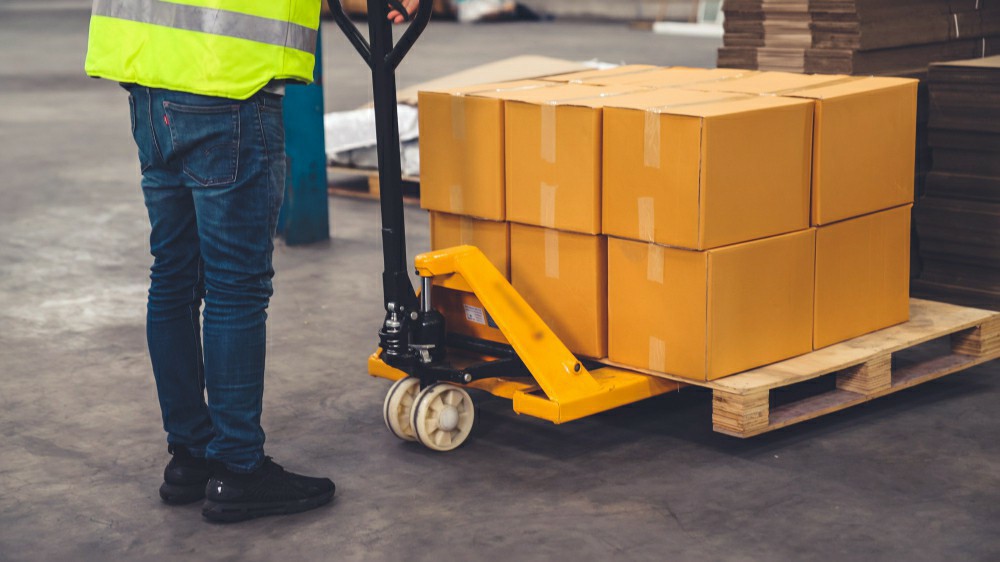
Manual handling involves transporting, supporting, or holding items and can take place in various work environments. With Ireland's specific safety regulations in mind, manual handling compliance training has become essential, particularly for industries like healthcare, construction, and manufacturing.
Legal Obligations and Safety Standards
- The Safety, Health and Welfare at Work Act mandates that employers must ensure the safety of their employees.
- Employers must provide adequate training to minimize the risk of injury related to manual handling tasks.
The Role of Manual Handling Compliance Training
Compliance training is designed to equip employees with the knowledge and skills to handle materials safely. This training covers:
- Identifying risks associated with manual handling.
- Learning proper lifting techniques.
- Understanding the ergonomic principles that can reduce strain and injuries.
Why is Compliance Training Vital?
The significance of manual handling compliance training can be highlighted through various benefits:
- Reducing Workplace Injuries: Proper training significantly lowers the incidence of musculoskeletal disorders.
- Enhancing Productivity: Workers trained in safe handling practices tend to work more efficiently.
- Legal Protection: Compliance with safety regulations shields companies from potential lawsuits and fines.
Target Audience for Manual Handling Training
This training is critical for:
- Healthcare Workers: Caregivers need efficient lifting techniques to prevent patient and staff injuries.
- Construction Workers: Manual handling is a core part of their daily tasks, making training essential.
- Retail Staff: Proper handling of merchandise ensures safety for employees and customers alike.
Choosing the Right Manual Handling Compliance Training in Dublin
When it comes to selecting certified manual handling compliance training in Dublin or any major Irish city, here are some tips:
- Seek training providers who offer recognized manual handling compliance certification in Ireland.
- Opt for courses that include both theoretical knowledge and practical exercises.
- Consider online training options for flexibility and convenience.
Adapting to Online Training Formats
Given the changing landscape of education, many providers now offer manual handling compliance training online. This ensures that companies can comply with safety standards without the need for in-person gatherings.
Advantages of Online Training:
- Flexibility in scheduling.
- Access to a variety of resources and modules.
- The ability to train multiple staff members simultaneously.
Conclusion
In conclusion, the necessity of manual handling compliance training in Ireland cannot be overstated. It stands as a fundamental component of workplace safety and health. Companies must prioritize safety through effective training programs that not only comply with legal standards but also safeguard their most valuable asset—their employees.
For further information on how to implement effective manual handling compliance training in your organization, do not hesitate to contact us at [email protected] or visit Irish Manual Handling. Your commitment to safety ensures a healthier workplace for everyone.