The Critical Role of First Aid Training in Ensuring Workplace Safety and Compliance
In today’s fast-paced work environment, the significance of First Aid training cannot be understated. Whether you’re a business owner, HR professional, or safety officer, understanding and implementing effective first aid practices can make all the difference during emergencies. In this blog, we will delve into the importance of First Aid courses, the essential skills they impart, and how they ensure workplace safety, emergency response readiness, and regulatory compliance.
Understanding the Importance of First Aid Training
First Aid training is designed to provide individuals with the skills and knowledge necessary to respond effectively to medical emergencies. From treating minor injuries to managing life-threatening situations, the benefits of being trained in First Aid are extensive:
- Increased Employee Safety: A properly trained workforce can quickly address health emergencies, reducing the risk of complications.
- Legal Compliance: Many regulations require certain businesses to offer First Aid training to their employees.
- Enhanced Workplace Morale: Employees who know they are safe and cared for are generally more productive and satisfied.
Key Components of First Aid Training
Effective emergency first aid procedures include understanding how to assess a situation, control the scene, and provide proper care until professional medical help arrives. Here are some core skills covered in most First Aid courses:
1. Basic First Aid Procedures
- Recognizing and responding to emergencies
- Performing basic wound care
- Understanding how to manage injuries such as burns, fractures, and sprains
2. CPR and AED Training
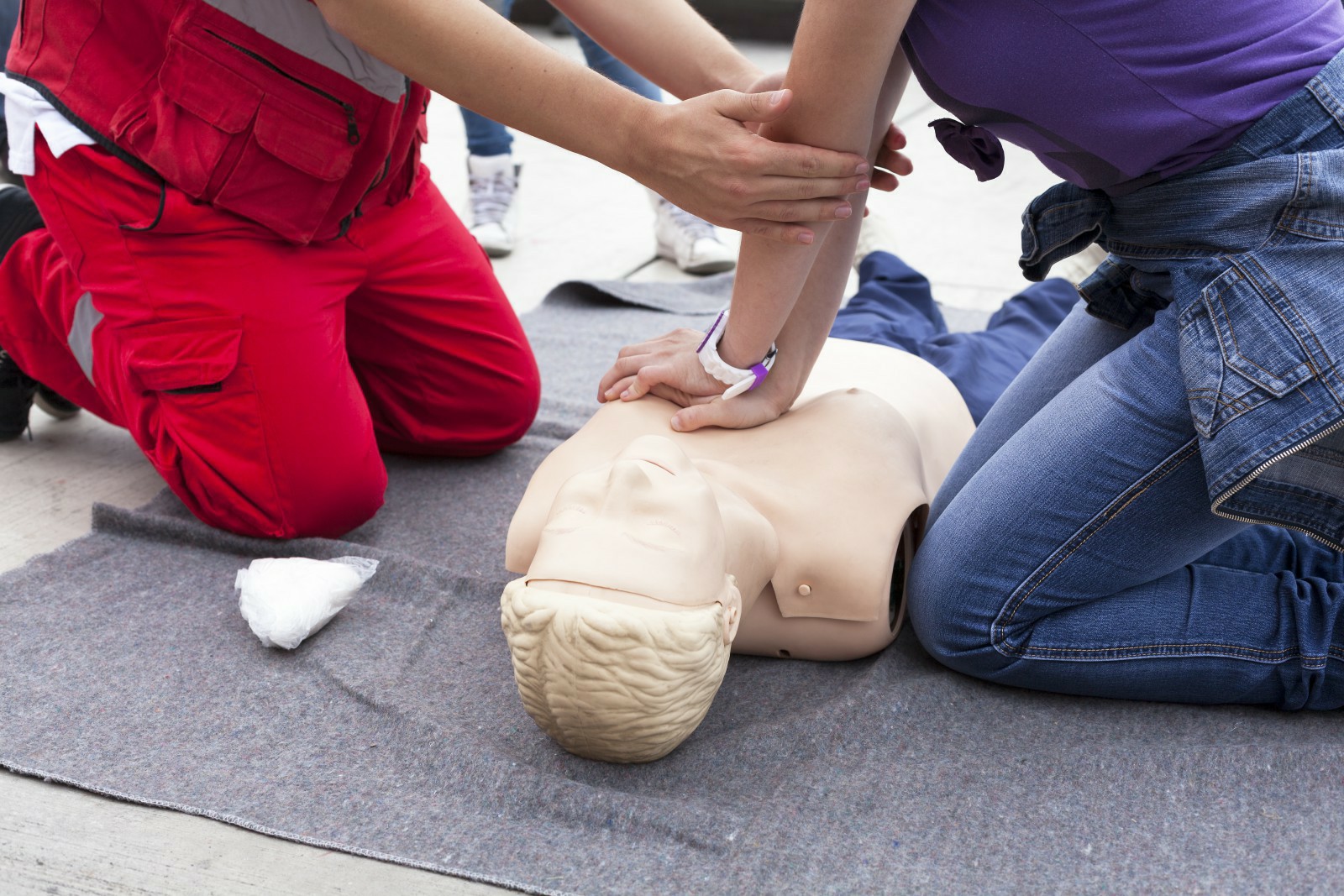
Cardiopulmonary resuscitation (CPR) is one of the most critical skills taught in First Aid training. Knowing how to perform CPR effectively can significantly increase the chance of survival for someone experiencing a cardiac event. Training typically covers:
- Compression techniques
- Rescue breathing
- Using an Automated External Defibrillator (AED)
3. Legal and Workplace Compliance
Many industries are bound by laws that mandate specific first aid training among their staff. Understanding these legal requirements can not only protect employees but also safeguard businesses from liability.
Regulatory Compliance: A Legal Necessity
Companies are often required to provide safety training, including First Aid training, as part of their commitment to creating a safe work environment. Regulations may vary by region and industry, but failure to comply can lead to hefty fines and increased legal risks. Key points include:
- Identification of high-risk zones within the workplace
- Training metrics and documentation to meet regulatory standards
- The requirement for certified professionals to deliver training at regular intervals
The Transformative Power of First Aid Certification
Obtaining a First Aid Certificate or completing a reputable First Aid course empowers employees with survival skills, creating a culture of safety and preparedness. This training fosters confidence among staff and promotes a proactive approach to health and safety.
Boosting Employee Confidence in Emergencies
When employees know how to respond to emergencies, they feel more secure in their environment. This training not only equips staff with essential skills but also promotes teamwork and effective communication during high-stress situations.
Choosing the Right First Aid Course for Your Workplace
When selecting a First Aid course, consider the following:
- Accreditation: Ensure the course is recognized and meets industry standards.
- Course Format: Choose between in-person training for hands-on experience or an online First Aid course for convenience.
- Relevance to Your Industry: Opt for training that addresses specific risks and scenarios relevant to your workplace.
Final Thoughts: Invest in Your Workforce
In summary, investing in First Aid training is crucial for ensuring workplace safety, regulatory compliance, and emergency response readiness. Not only does it prepare your workforce to handle medical emergencies effectively, but it also enhances overall morale and productivity. Take the step today—enroll in an Emergency First Aid Training Course and equip your team with the life-saving skills they need.
Enroll in an Accredited First Aid Course Today!
For more details or inquiries, please contact us at [email protected].