The Critical Safety Risks of Abrasive Wheels and How Training Can Save Lives
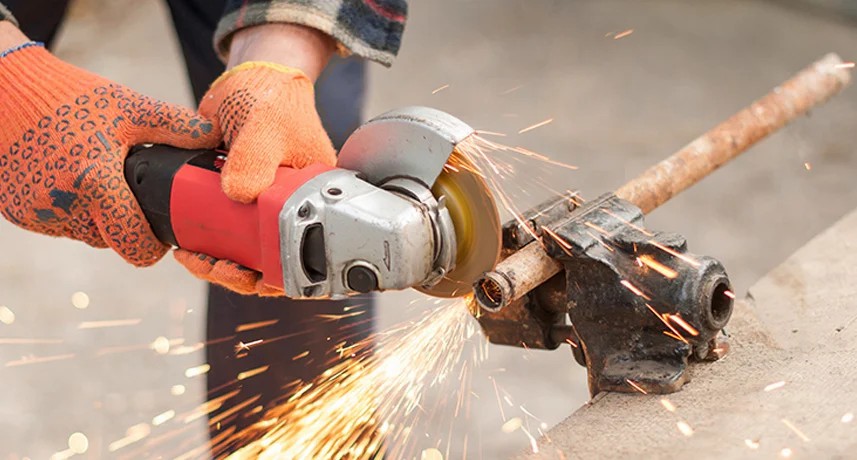
Abrasive wheels, widely used in various industries for cutting, grinding, and polishing tasks, pose significant safety risks if not handled properly. Injuries related to abrasive wheels can range from minor cuts to severe accidents that lead to long-term disabilities or even fatalities. Understanding these risks and implementing robust training programs is essential for maintaining a safe working environment.
Common Safety Risks Associated with Abrasive Wheels
Several hazards are linked to the use of abrasive wheels, particularly in industrial settings. Here are the most prevalent safety risks:
- Wheel Breakage: Abrasive wheels can shatter upon impact or during improper use, sending debris flying at high speeds. This can lead to serious injuries for the operator and nearby personnel.
- Improper Mounting: Incorrectly mounted wheels can lead to imbalance, increasing the chance of breakage or accidents.
- Incorrect Usage: Using abrasive wheels for tasks they were not designed for can lead to user error and equipment failure.
- Lack of Personal Protective Equipment (PPE): Failure to wear appropriate PPE, such as goggles or face shields, can result in severe injuries from flying debris or dust inhalation.
- No Risk Assessment: Working without conducting safety risk assessments can expose workers to unanticipated hazards.
The Importance of Abrasive Wheels Training
Providing Abrasive Wheels Training is crucial for ensuring that workers understand how to operate equipment safely. Training helps employees identify potential hazards and equips them with the knowledge to mitigate risks effectively. Key benefits of effective training include:
- Increased Awareness: Workers become more aware of the dangers associated with abrasive wheels and their proper handling.
- Enhanced Equipment Handling: Training teaches employees the right techniques for mounting, operating, and maintaining abrasive wheels.
- Improved Compliance: Certified training aligns with safety regulations and standards, minimizing legal liabilities for businesses.
Real-Life Case Studies: Accidents Prevented by Training
Here are real-life instances where proper training significantly reduced accidents:
Case Study 1: Manufacturing Plant Incident
In a manufacturing facility, an employee who had recently completed an Abrasive Wheels Safety Course sensed that the wheel-mounted on the machine was vibrating more than usual. The worker had been trained to recognize signs of improper installation. Before proceeding, he notified his supervisor, who arranged for an inspection, preventing a potential mishap. This proactive approach avoided a situation that could have led to severe injuries.
Case Study 2: Construction Site Safety Example
A construction worker injured himself while using an abrasive wheel without appropriate PPE. However, after the company mandated an Abrasive Wheels Course Online, the incidents of injuries decreased drastically. The workers learned about the importance of protective gear, and compliance increased, resulting in a safer workplace environment.
Best Practices for Risk Mitigation
Implementing safety measures for abrasive wheels is crucial. Here are some expert recommendations:
- Conduct Regular Inspections: Routine checks of both the equipment and the working environment can help identify and mitigate risks early.
- Ensure Correct Use of Machinery: Workers should only use machines for their intended purposes, as defined by the manufacturer guidelines.
- Facilitate Regular Training: Ongoing training sessions, including Abrasive Wheels Certification renewals, can help keep safety practices fresh in employees’ minds.
- Implement Clear Safety Protocols: Establishing comprehensive standard operating procedures can guide employees in safe practices.
- Encourage a Safety Culture: Promote open communication about safety concerns and encourage workers to report hazards without fear of repercussions.
Conclusion: Prioritize Safety with Certified Training
Investing in Certified Abrasive Wheels Training is a proactive step towards ensuring workplace safety. By equipping employees with the knowledge and skills to operate equipment safely, businesses can significantly reduce the risks associated with abrasive wheels. Bolster your safety culture today by enrolling in recognized Abrasive Wheels Certification Dublin or Abrasive Wheels Certification Ireland programs.
For more information on courses available or to register for the Abrasive Wheels Safety Course, visit Ireland Safety Training or contact us at [email protected].