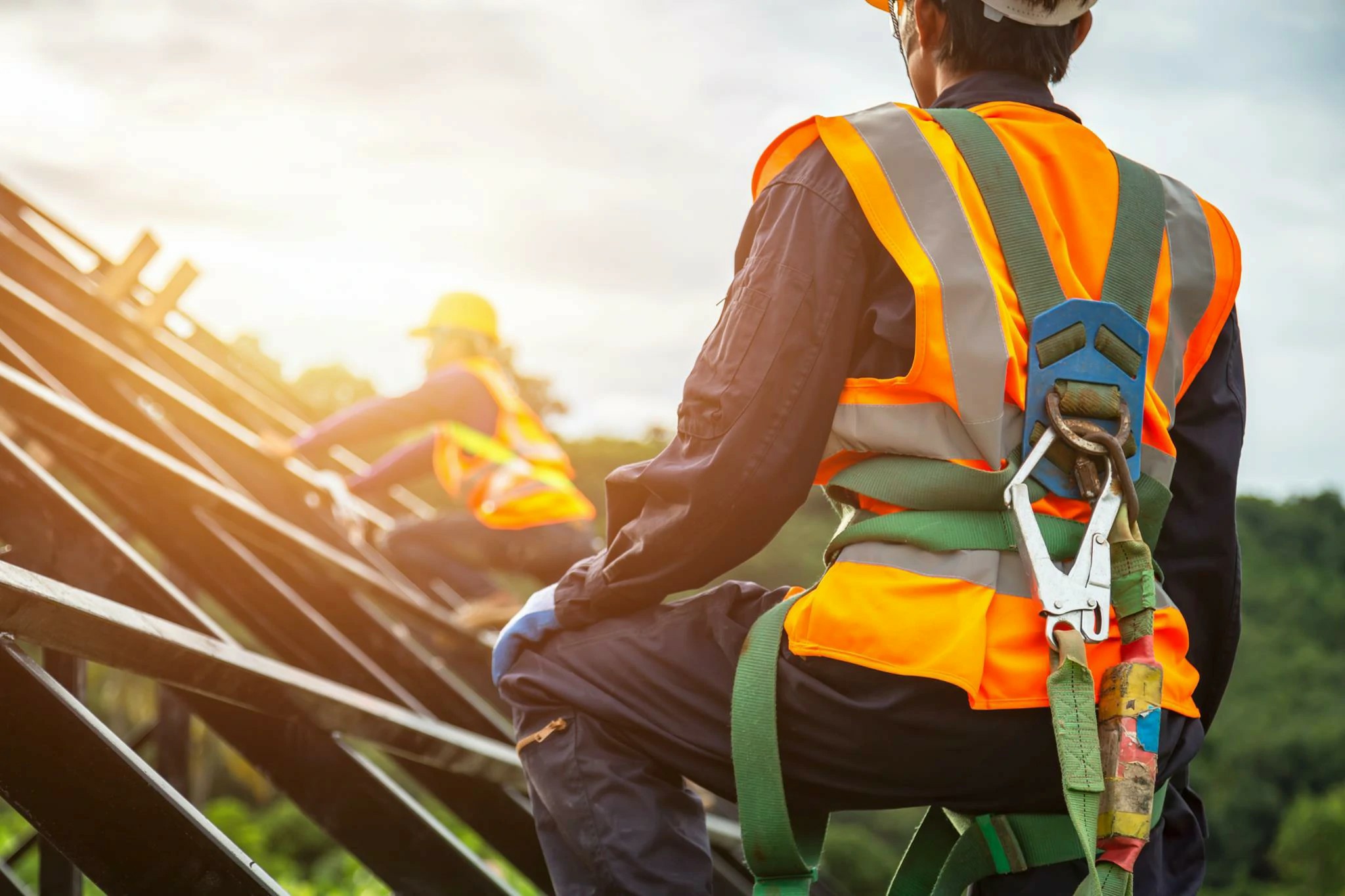
The Crucial Need for Accredited Working at Heights Training in Enhancing Safety and Compliance
In today's fast-paced work environment, ensuring the safety of employees is paramount. For many industries, working at heights is an everyday task, making appropriate training a necessity rather than a luxury. This is where accredited Working at Heights training plays a vital role.
Understanding the Importance of Accreditation
Accreditation signifies that a training program meets recognized national and international standards. This is crucial, especially when it comes to safety training programs. Some of the prominent accrediting bodies in the UK and Ireland include the Health and Safety Authority (HSA), Health and Safety Executive (HSE), and the Royal Society for the Prevention of Accidents (RoSPA). Choosing a course approved by these organizations guarantees that the training provided is effective, comprehensive, and up-to-date.
The Role of HSA, HSE, and RoSPA
Let's delve deeper into the roles of HSA, HSE, and RoSPA:
- Health & Safety Authority (HSA): The HSA is Ireland's national body responsible for promoting and enforcing health and safety at work. Their accreditation ensures that training courses comply with the latest Irish health and safety regulations.
- Health & Safety Executive (HSE): The HSE plays a similar role in the UK, providing guidelines to ensure safety in various work environments. Training programs recognized by HSE are designed to mitigate risks associated with working at heights.
- Royal Society for the Prevention of Accidents (RoSPA): RoSPA focuses on accident prevention and works to promote safety standards. Their endorsement is a mark of quality, assuring both employers and employees of the effectiveness of the training provided.
Benefits of Accredited Working at Heights Training
Accredited Working at Heights courses offer several critical advantages:
- Compliance with Industry Regulations: Employers have a legal obligation to provide safe working environments. Accredited courses ensure compliance with safety regulations, significantly reducing liability risks.
- Improved Worker Safety: These courses are designed based on best practices, teaching employees how to assess risks and use safety equipment effectively, preventing accidents and injuries.
- Legally Recognized Certification: Upon completion of an accredited course, participants receive certification recognized by employers, industry officials, and health and safety regulators.
- Enhanced Business Reputation: Investing in employee training cultivates a culture of safety within the organization, enhancing its reputation and demonstrating commitment to employee welfare.
- Reduced Workplace Incidents: Proper training leads to better adherence to safety protocols, reducing the likelihood of accidents and associated costs.
Risks of Non-Accredited Training
Opting for non-accredited training providers can expose a business to significant risks:
- Inadequate Training: Non-accredited courses may lack comprehensive content, leaving employees poorly prepared for real-life situations.
- Higher Liability: In the unfortunate event of an accident, organizations using unapproved training providers may face legal liabilities and increased insurance costs.
- Non-compliance Fines: Regulatory bodies may impose fines on businesses that do not adhere to training requirements.
- Reputational Damage: Negative incidents can tarnish a company’s reputation, affecting customer trust and employee morale.
Case Studies of Successful Implementation
A recent study conducted by a leading construction company in Dublin revealed that following accredited Working at Heights training, workplace incidents decreased by over 60%. Workers expressed confidence in their safety skills and reported a more proactive approach toward hazard assessment.
Similarly, a transport firm in Galway mandated accredited training for all employees handling warehouse operations at height. Within months, they noted a significant drop in near-misses and safety violations, reinforcing the value of accredited training programs.
Conclusion: A Call to Action for Businesses
Investing in accredited Working at Heights training is not just a regulatory compliance measure; it's a commitment to ensuring the well-being of your employees. With reputable providers like those accredited by HSA, HSE, and RoSPA offering diverse training options—ranging from traditional classroom training to innovative online courses—businesses must prioritize these options.
Ready to elevate your workplace safety? Explore our Working at Heights Course and ensure your workforce is trained to the highest standards. For inquiries, reach out to us at [email protected].