Skip to main content


The Crucial Role of First Aid Training in Workplace Safety and Emergency Readiness
In today’s fast-paced work environments, the importance of First Aid training and CPR certification cannot be overstated. Accidents can happen at any time, and having trained personnel can mean the difference between life and death. This article delves into the vital benefits of First Aid courses for workplace safety and emergency preparedness.
Understanding the Impact of First Aid Training
First Aid training equips employees with the skills necessary to respond to health emergencies effectively. Here are some key areas where this training plays a pivotal role:
- Emergency Response: Employees trained in first aid can react promptly to medical emergencies, potentially saving lives.
- Workplace Injury Prevention: Knowledge of basic first aid can help in early intervention, reducing the severity of injuries.
- Employee Confidence: Training instills confidence in employees, making them feel empowered to handle emergencies.
Essential First Aid Skills Every Employee Should Master
To create a safe work environment, your First Aid training program should cover essential skills:
- Basic First Aid Techniques: Understand how to treat minor injuries like cuts and burns.
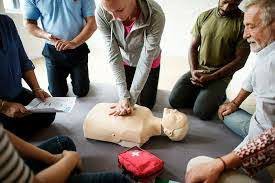
- CPR Techniques: Knowing how to perform CPR can be critical in life-threatening situations. Key steps include:
- Checking responsiveness and breathing.
- Calling for emergency assistance.
- Administering chest compressions and rescue breaths as needed.
- Use of AED: Training on how to use Automated External Defibrillators (AED) is imperative.
Regulatory Compliance and Workplace First Aid Requirements
In many regions, employers are required by law to provide First Aid training to their employees. Compliance with health and safety regulations protects businesses from legal repercussions. Businesses that invest in First Aid certification can avoid penalties and enhance their reputation.
Benefits of First Aid Certification for Businesses and Employees
Obtaining certification can offer several advantages:
- Enhanced Safety Culture: Promoting a workplace where safety is prioritized fosters a culture of care.
- Reduced Liability: Trained employees can lower the risk of injuries and accidents.
- Improved Employee Morale: Employees feel valued when they receive training that supports their well-being.
Emergency First Aid Procedures: Step-by-Step Guidelines
In emergencies, time is crucial. Here’s a streamlined process for effective response:
- Ensure Safety: Make sure the scene is safe for you and the victim.
- Assess the Situation: Check the victim's responsiveness and request help if necessary.
- Provide Appropriate Care: Depending on the situation, administer first aid or CPR.
- Follow-Up: Ensure emergency medical services are alerted and follow any instructions given.
Choosing the Right First Aid Course: Online vs. In-Person Training
With advancements in technology, both online First Aid courses and traditional in-person sessions are available. Consider the following when choosing:
- Content Relevance: Ensure the course covers CPR and emergency first aid skills comprehensively.
- Certification Recognition: Verify that the certification is recognized in your industry.
- Convenience: Online courses offer flexibility, while in-person training provides practical hands-on experience.
Final Call to Action
Ensuring workplace safety and compliance is paramount in today’s business landscape. Invest in your team’s safety and well-being by enrolling them in a certified First Aid & CPR training course today! For more information, visit Ireland Safety Training or contact us at [email protected].