


The Crucial Role of Manual Handling Compliance Training in Irish Workplaces
In the ever-evolving landscape of workplace safety, manual handling compliance training stands out as a fundamental requirement for organizations across Ireland. This training is not just an obligatory checkbox; it is essential for ensuring the safety and well-being of employees, especially in industries where manual handling tasks are prevalent.
Understanding Manual Handling Compliance Training
Manual handling includes any transporting or supporting of a load, which can range from lifting, carrying, pushing, or pulling. In Ireland, manual handling compliance training is designed to educate employees on safe lifting techniques, the risks involved, and the correct usage of equipment to minimize injuries.
Why is Compliance Training Important?
- Adherence to Safety Standards: Compliance training ensures that your workplace meets the necessary safety regulations set forth by the Health and Safety Authority (HSA) of Ireland.
- Reduction in Workplace Injuries: Proper training helps in minimizing the risk of injuries caused by improper lifting techniques, which can lead to significant long-term health issues.
- Enhanced Employee Confidence: Well-trained employees are more confident in performing their tasks, which can lead to improved productivity.
- Legal Protection: In the event of an accident, having certified training can serve as proof of due diligence and compliance, protecting your organization from potential legal repercussions.
Compliance Manual Handling: A Critical Need for Various Sectors
Several sectors benefit significantly from manual handling compliance training:
1. Healthcare Workers
In the healthcare sector, staff frequently engage in lifting and transferring patients. Manual handling compliance training equips healthcare workers in Dublin, Cork, and Galway with the skills to perform these tasks safely, reducing the risk of injuries to both staff and patients.
2. Warehousing and Logistics
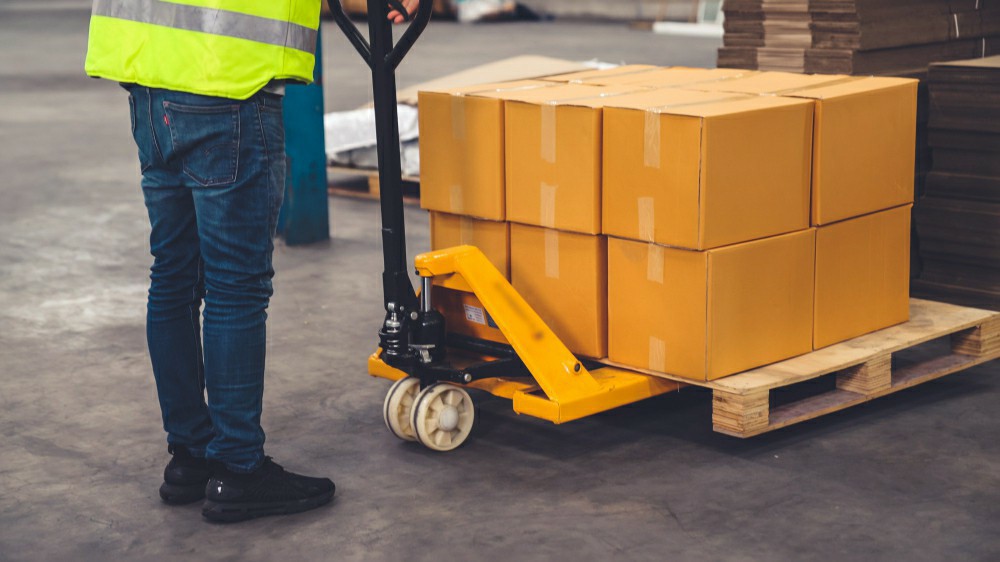
Warehouse staff are often required to lift and carry heavy products. Effective training not only adheres to compliance regulations but also enhances operational efficiency by minimizing downtime due to injuries.
3. Construction Industry
With heavy lifting being a common practice on construction sites, compliance training is crucial to ensure that workers understand the potential hazards and the correct techniques to mitigate these risks.
Choosing Certified Manual Handling Compliance Training
When searching for manual handling compliance training in Ireland, consider the following:
- Certification: Ensure the training provider is reputable and offers certified training recognized by regulatory bodies.
- Location: For those based in major cities such as Dublin, Cork, and Galway, look for local training options to mitigate travel and logistics.
- Online Options: Many organizations now offer manual handling compliance training online, providing flexibility and accessibility for various organizations.
Conclusion
In conclusion, investing in manual handling compliance training is not just a legal obligation; it is a crucial step towards a safer workplace. For organizations in Ireland, prioritizing the health and safety of employees through certified training can lead to decreased injury rates, higher morale, and increased productivity.
For further information on manual handling compliance training options, visit Irish Manual Handling or contact us at [email protected].



































