The Essential Role of Manual Handling Certification Training in Irish Healthcare Settings
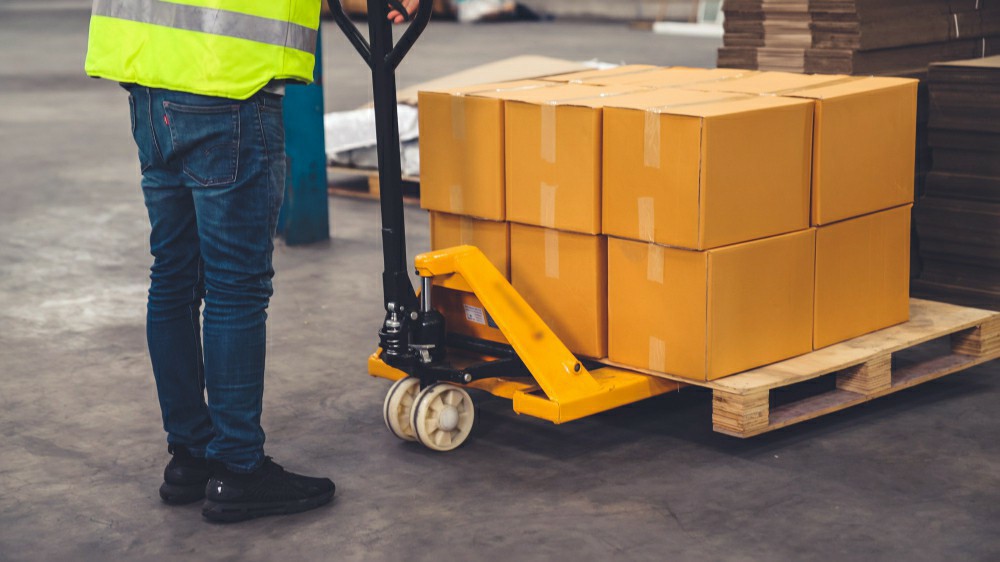
Manual handling involves any activity that requires the use of physical effort to lift, push, pull, or carry objects. In healthcare settings, where staff often lift or move patients, proper training is not just beneficial—it's essential for safety and compliance.
Why is Manual Handling Certification Important?
In Ireland, the Health and Safety Authority (HSA) outlines regulations regarding manual handling in the workplace. These regulations mandate that employers provide adequate training to employees, especially those in high-risk environments like hospitals, nursing homes, and rehabilitation centers.
Here are some reasons why obtaining a Manual Handling Certification is vital:
- Compliance with Irish Regulations: Ensuring that your organization adheres to HSA regulations helps avoid fines and enhances reputation.
- Reducing Workplace Injuries: Proper training minimizes the risk of injuries caused by improper lifting techniques.
- Improving Patient Safety: In healthcare, safe handling procedures protect not only the staff but also the patients.
- Enhancing Employee Confidence: Certified training instills confidence in employees when performing manual tasks.
Benefits of Manual Handling Certification Training
Participants who undergo Certified Manual Handling Training receive comprehensive knowledge and practical skills essential for their roles:
- Understanding Anatomy: Training helps employees understand the human body mechanics to prevent injuries.
- Safe Practices: Learn techniques for safe lifting, carrying, and maneuvering patients.
- Awareness of Risks: Training identifies potential hazards and teaches how to mitigate them.
- Boosting Teamwork: Emphasizing safety creates a culture of support and collaboration among staff.
Choosing the Right Manual Handling Certification Training in Ireland
When selecting a training provider, it's crucial to assess the quality and reputation of the course offered. Here are several factors to consider:
- Accreditation: Make sure the training provider is recognized by the appropriate authorities.
- Delivery Methods: Look for options that suit your schedule, such as Manual Handling Certification Training Online or in-person classes.
- Reviews and Testimonials: Research feedback from previous participants to gauge the quality of the training.
Conclusion
Manual handling certification is not just a tick-box exercise—it’s a commitment to safety, compliance, and professionalism. In the fast-paced environment of healthcare in Ireland, ensuring your team is trained and certified in manual handling can drastically reduce the risk of injuries and enhance patient care.
For more information on manual handling certification training in Dublin, Cork, and Galway, visit us at Irish Manual Handling or contact us at [email protected].