The Essential Role of Manual Handling Procedures Training for Healthcare Professionals in Ireland
In the fast-paced environment of healthcare, ensuring the safety of both staff and patients is paramount. Manual handling plays a crucial role in day-to-day operations, making specialized manual handling procedures training essential for all healthcare professionals. This blog explores the key aspects of manual handling procedures training, including theoretical knowledge, risk assessment, and practical techniques, while also addressing the benefits of certification in Ireland.
Understanding Manual Handling Procedures
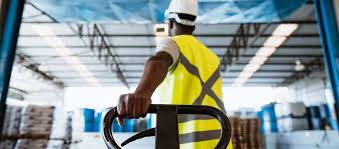
Manual handling includes any activity that requires the use of physical force to lift, lower, push, pull, or carry objects. In healthcare settings, this often involves moving patients or equipment, where improper techniques can lead to serious injuries. Therefore, specialized training is necessary to equip healthcare workers with the skills needed to perform these tasks safely.
Key Components of Manual Handling Procedures Training
- Theoretical Knowledge: Understanding the principles of safe manual handling is key. Training covers relevant legislation, human anatomy, and the biomechanics of lifting.
- Risk Assessment: Participants learn how to identify potential risks associated with manual handling tasks, ensuring that they can make informed decisions to mitigate hazards.
- Practical Handling Techniques: Practical sessions provide hands-on experience with correct lifting methods, including using assistive devices and team lifting.
Benefits of Online Manual Handling Procedures Course
With advancements in technology, manual handling procedures courses online have become increasingly popular. Here are some benefits:
- Flexibility: Online courses allow healthcare professionals to learn at their own pace and schedule, making it easier to fit training into their busy lives.
- Accessibility: No matter where you are in Ireland, from Dublin to Galway to Cork, you can access quality training resources without geographical limitations.
- Cost-Effective: Online training often comes at a lower cost compared to traditional classroom settings, making it accessible for all organizations.
Certification Process for Manual Handling Procedures
Upon successful completion of a manual handling procedures course, participants typically receive a manual handling procedures certification. This certification confirms their knowledge and competence in safe manual handling practices, ensuring compliance with health and safety regulations. The certification process often includes:
- A formal assessment through practical tests and theoretical examinations.
- Documentation of training hours and course completion for organizational records.
- Issuance of a certificate, recognized across Ireland, that can enhance career prospects and improve workplace safety standards.
Conclusion
In conclusion, the significance of certified manual handling procedures training cannot be overstated for healthcare professionals in Ireland. By focusing on safety, risk management, and effective handling techniques, training equips staff with the tools necessary to reduce the risk of injury and enhance patient care. If you’re looking to upgrade your manual handling skills or seeking training for your team, explore our offerings at Irish Manual Handling. For further inquiries, feel free to contact us at [email protected].