The Essential Role of Manual Handling Professional Training in Protecting Healthcare Workers in Ireland
Manual handling is a core component of daily operations in various healthcare settings, from hospitals to nursing homes. Ensuring that staff members are trained in safe manual handling practices is not just a regulatory requirement; it’s essential for the safety and wellbeing of both healthcare professionals and their patients. This blog will discuss the significance of Manual Handling Professional training, the details of an effective manual handling professional course, and the available options for certification in Ireland.
Understanding Manual Handling in Healthcare
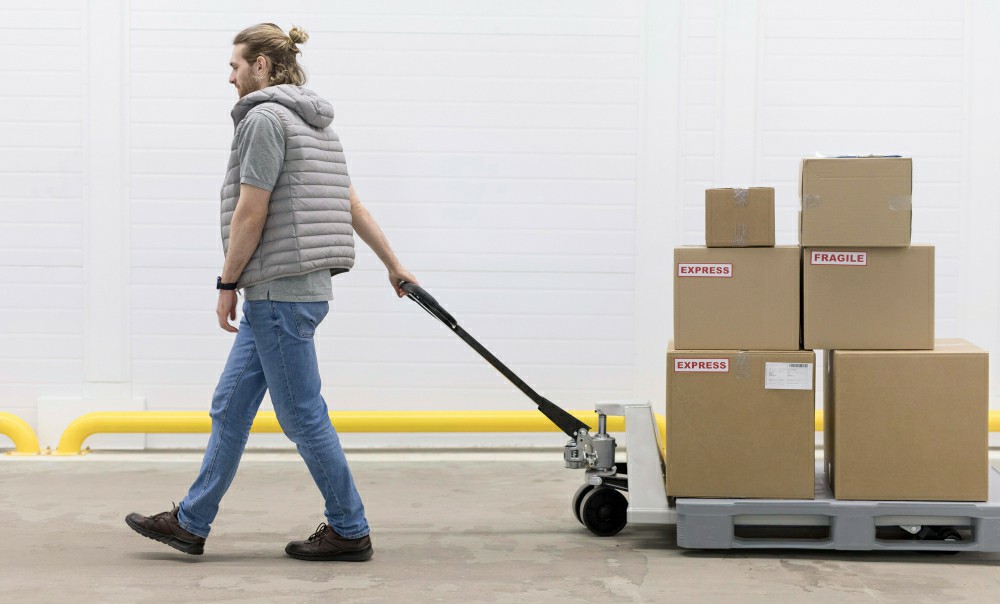
Manual handling refers to any activity that involves lifting, lowering, pushing, pulling, carrying, or moving a load. In the healthcare sector, this might include transferring patients between beds and wheelchairs, moving equipment, or lifting supplies. Without the appropriate training, such tasks can lead to serious injuries not only to the worker but also to the patient. Therefore, the focus on manual handling professional safety cannot be overstated.
The Importance of Manual Handling Professional Training
Manual Handling Professional training is fundamental in promoting safe practices in the workplace. Here are a few reasons why:
- Injury Prevention: Proper training equips healthcare workers with the knowledge to minimize the risk of musculoskeletal injuries, which are rampant in the industry.
- Improved Patient Safety: When healthcare workers follow safe handling techniques, it reduces the chances of accidents and guarantees a safer environment for patients.
- Compliance with Regulations: In Ireland, businesses are required to comply with health and safety regulations. Manual Handling Professional Certification demonstrates a commitment to these standards.
Key Components of a Manual Handling Professional Course
Courses like those offered by Irish Manual Handling typically cover the following key areas:
1. Theoretical Knowledge
This portion of the course focuses on understanding the principles of manual handling, including anatomy, ergonomics, and the physics behind lifting techniques. Participants learn about the potential risks and the legal aspects of manual handling in Ireland.
2. Risk Assessment
Assessment of risks involved in manual handling tasks is a crucial skill. During training, participants learn how to evaluate situations and apply control measures to eliminate or reduce risks.
3. Practical Handling Techniques
Hands-on practice is essential. Healthcare workers engage in various simulated scenarios that require patient transfers, lifting, and handling equipment safely.
Benefits of Online Training Options
With the inclusion of technology in training methods, many manual handling professional online courses are also available. This flexibility allows healthcare professionals to access vital training without the constraints of time and location. This is particularly optimal for shift workers who may find it challenging to participate in traditional classes.
Certification Process
Upon successful completion of a certified manual handling professional training, participants receive a certification that validates their skills and knowledge. This credential can enhance a worker's professional profile, opening new career opportunities and ensuring a higher standard of care for patients.
Conclusion
Investing in manual handling professional certification is crucial for businesses that seek to maintain a safe and efficient workplace. For healthcare professionals in Dublin, Cork, Galway, and beyond, specialized training not only protects them but ultimately benefits their patients. For more information or to enroll in a course, contact us at [email protected].