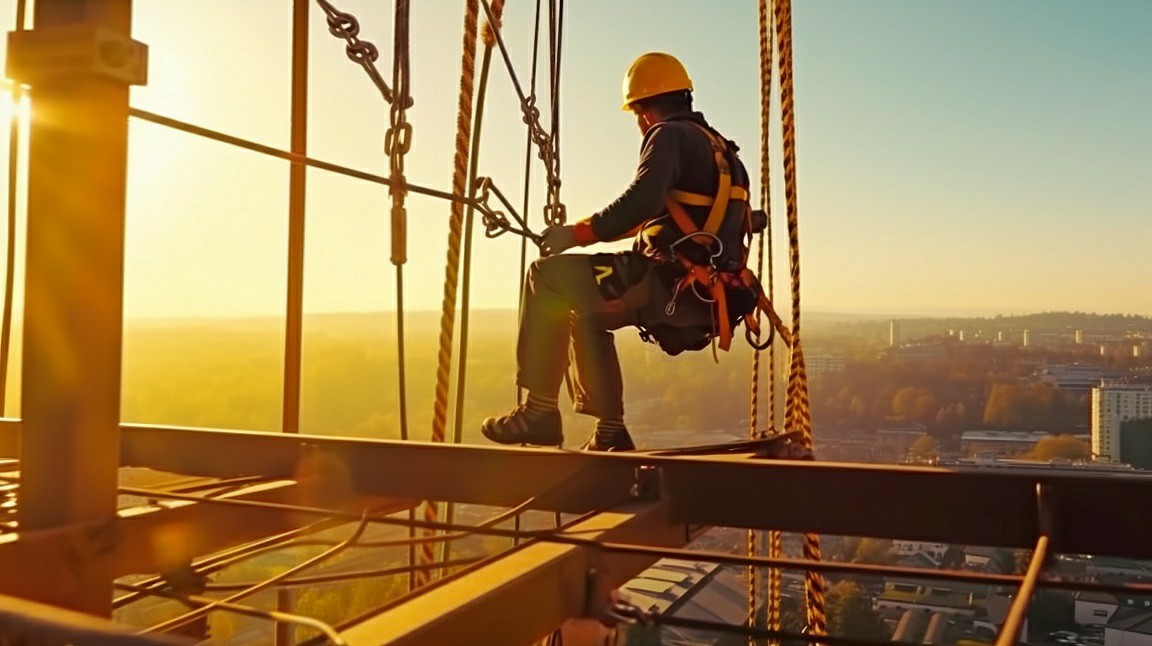
The Future is Now: How Virtual Reality is Enhancing Working at Heights Training
In today’s fast-paced and safety-conscious work environment, the importance of effective training cannot be overstated, especially in industries involving high-risk activities like working at heights. Virtual Reality (VR) is revolutionizing Working at Heights training by providing immersive solutions that go beyond traditional learning methods. This cutting-edge approach allows trainees to engage in realistic simulations of high-altitude work, enhancing their skill sets and preparedness for real-life situations.
Why Traditional Training Methods Fall Short
Traditional Working at Heights courses often rely heavily on theoretical knowledge and hands-on training using real equipment. While these methods have their merits, they can leave gaps in knowledge retention and practical understanding. Learners might struggle to recall critical safety procedures or react effectively in high-pressure scenarios. Furthermore, physical training environments can be costly to set up and can pose real dangers to participants.
The Rise of Virtual Reality in Safety Training
By offering immersive experiences that simulate the challenges of working at heights, VR provides numerous advantages:
- Enhanced Learning Retention: Studies show that immersive learning technologies like VR significantly improve knowledge retention. Trainees engage with interactive scenarios, reinforcing their memory and understanding of safety protocols.
- Hands-On Experience Without Risk: VR allows for safe practice in high-risk environments. Workers can experience dangerous situations—such as slips, falls, or equipment failures—without the threat of physical harm, making them better prepared for real-life emergencies.
- Cost Reduction: Implementing a comprehensive Working at Heights certification program can be an expensive undertaking. VR training minimizes these costs by reducing the need for physical equipment, travel expenses, and other logistics typically associated with onsite training.
Realistic Simulations for Maximum Impact
One of the key strengths of VR lies in its ability to create highly realistic simulations. Trainees can navigate multi-level platforms, operate safety equipment, and even manage simulated emergencies. This level of engagement allows learners to understand the potential consequences of their actions in a controlled environment.
Key Features of VR Training Programs:
- Scenario-Based Learning: Participants can engage in various scenarios tailored to their specific job roles, ensuring relevant and practical training that translates into real-world application.
- Real-Time Feedback: VR systems can provide immediate feedback, helping users correct their actions and improve performance on the spot.
- Performance Analytics: Many VR training solutions come with built-in analytics that assess performance and areas needing improvement, facilitating continuous learning and development.
Integrating VR into Your Safety Training Program
Companies can seamlessly integrate VR into their existing safety programs by following a few straightforward steps:
- Assess Training Needs: Identify specific areas where VR could enhance existing training modules.
- Select a Provider: Choose a reputable VR training provider with experience in Working at Heights safety courses. Look for programs specifically certified to ensure quality and compliance.
- Pilot the Program: Run a pilot training session with a small group to gather feedback and make necessary adjustments before full-scale implementation.
- Monitor and Evaluate: Regularly review the training’s effectiveness through participant feedback and performance data to ensure continuous improvement.
Long-Term Benefits of VR Training
Investing in VR for Working at Heights training not only enhances safety and learning outcomes but also leads to a culture of proactive safety awareness. By providing employees with the skills and confidence to handle high-risk situations, organizations benefit from reduced accident rates, lower insurance costs, and improved compliance with safety regulations.
Conclusion: Embracing the Future
As technology continues to evolve, businesses that leverage innovative methods like virtual reality will undoubtedly lead the way in workplace safety. Embracing VR technology not only prepares employees for high-pressured scenarios but also cultivates a more informed and prepared workforce.
Are you ready to revolutionize your Working at Heights training initiatives? Explore how virtual reality can transform your safety programs and increase employee confidence. For more information regarding Working at Heights courses, contact us at [email protected].