The Hidden Dangers of Abrasive Wheels: Why Training is Essential for Safety
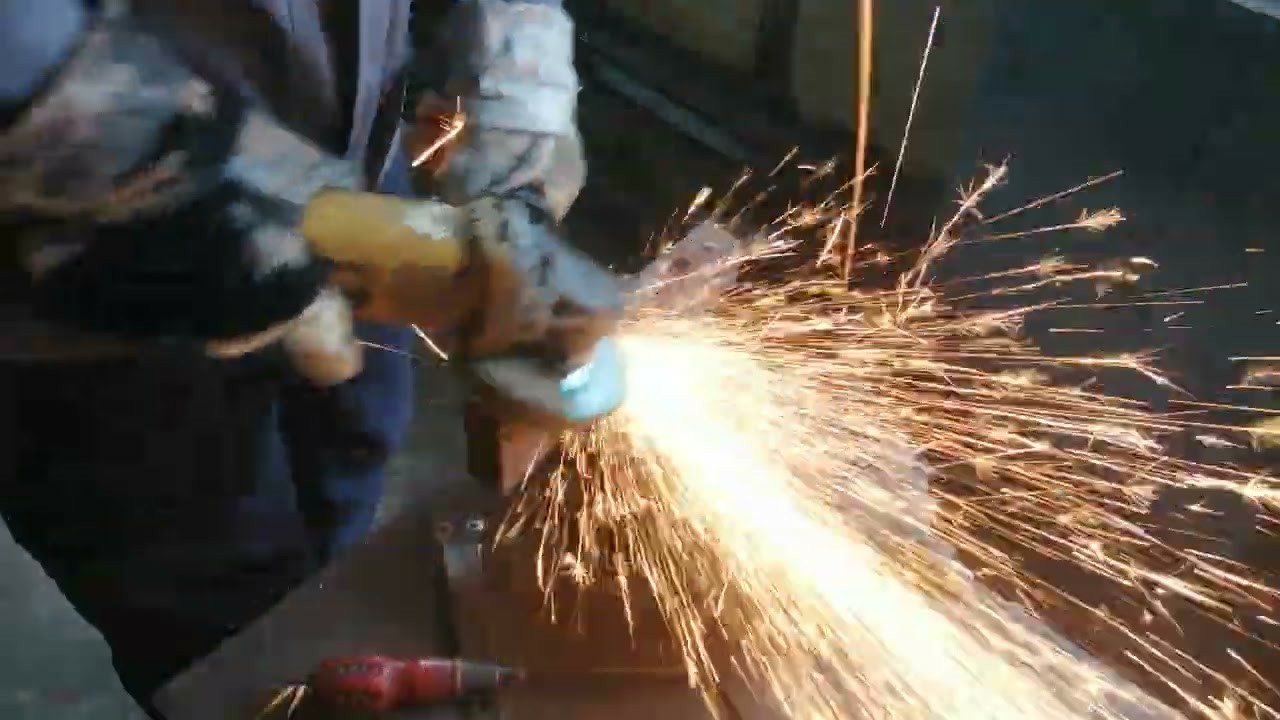
Abrasive wheels are essential tools found in many industrial and construction settings, yet they carry significant safety risks if not handled correctly. Understanding these risks and implementing proper training can mean the difference between a safe workspace and a hazardous environment. This blog post explores the common safety risks associated with abrasive wheels, emphasizing the vital role training plays in preventing accidents.
Common Safety Risks Associated with Abrasive Wheels
When used improperly, abrasive wheels can be dangerous and lead to severe injuries or fatalities. Here are some common risks:
- Wheel Breakage: Abrasive wheels can shatter during use, sending fragments at high velocities and posing a risk to nearby workers.
- Improper Mounting: Incorrect mounting of the wheels can lead to misalignment, increasing the risk of breakage and loss of control during operation.
- Inadequate Protective Equipment: Failure to use appropriate personal protective equipment (PPE) like goggles or face shields can result in serious injuries.
- Incorrect Usage: Using the wrong wheel for a specific material or applying excessive pressure can cause the wheel to malfunction or degrade quickly.
- Lack of Maintenance: Regular inspections and maintenance are crucial. Neglecting this can put operators at higher risk.
The Importance of Abrasive Wheels Training
Proper training is a cornerstone of workplace safety when it comes to abrasive wheels. Without comprehensive knowledge of the risks and how to mitigate them, workers may inadvertently expose themselves to danger. Here’s why training is essential:
- Identifying Hazards: Training helps workers recognize the signs of improper equipment use and understand the potential dangers associated with abrasive wheels.
- Correct Use of PPE: Employees learn about the necessary protective gear to wear, reducing the risk of injury from flying debris and dust.
- Technical Skills: A thorough understanding of how to mount and change wheels properly ensures safe operation, minimizing risks associated with equipment misuse.
- Emergency Response: Training includes emergency procedures so that employees know how to react quickly and effectively in case of an incident.
Best Practices for Risk Mitigation
In addition to training, implementing best practices can significantly reduce risks when using abrasive wheels:
- Regular Safety Inspections: Conduct routine checks on the equipment to ensure it’s in good condition.
- Keep Workspaces Clean: Maintaining a tidy workspace can prevent accidents caused by clutter or misplaced objects.
- Utilize the Right Equipment: Choose suitable abrasive wheels for the task and ensure they’re rated for the job’s intensity.
- Conduct Risk Assessments: Regularly evaluate work conditions and update training as necessary to adapt to new equipment or processes.
Real-Life Case Studies: Training Makes a Difference
Case studies provide compelling evidence of how proper training can prevent serious accidents.
- Case Study 1: A manufacturing company implemented a comprehensive Abrasive Wheels Training program. Shortly thereafter, a potential accident was averted when an employee noticed a misaligned wheel during an inspection, preventing a shattering incident that could have caused injuries to nearby workers.
- Case Study 2: A construction firm in Dublin reported a significant drop in accidents after employees completed an Abrasive Wheels Certification Course. Employees learned how to properly secure and check their equipment, reducing the risk of wheel breakage by 75%.
Conclusion: Invest in Training for Safety
In conclusion, understanding the safety risks of abrasive wheels is crucial for every workplace that utilizes this equipment. Proper training not only equips employees with the skills needed to use these tools safely but also fosters a culture of safety. Regular certification and training programs can lead to increased awareness and significantly reduced accident rates.
To protect your employees and your business, consider enrolling in our Abrasive Wheels Course today. For inquiries or to learn more about our training programs, contact us at [email protected].