The Hidden Dangers of Improper Manual Handling in Industrial Workplaces
In industrial settings, improper manual handling can lead to serious injuries and health complications. As a crucial aspect of workplace safety, it is essential for employees, especially those working in demanding environments such as healthcare, manufacturing, and logistics, to undergo specialized Manual Handling Industrial Training. This article delves into the risks associated with improper handling techniques and highlights the importance of certified training in enhancing safety standards in Ireland.
Understanding Manual Handling: Definitions and Importance
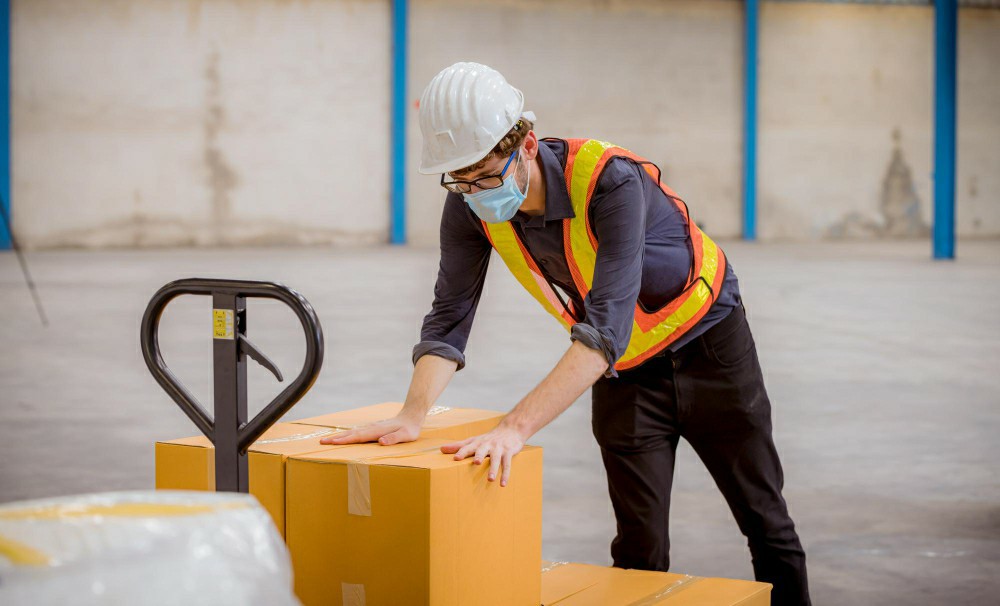
Manual handling refers to the act of lifting, carrying, pushing, pulling, or otherwise moving objects by hand or bodily force. Understanding the right techniques is vital in preventing injuries, particularly in manual labor-intensive industries.
The Consequences of Improper Manual Handling
Improper manual handling can lead to a variety of physical injuries, including:
- Musculoskeletal Disorders (MSDs): These are injuries or disorders affecting the muscles, joints, tendons, ligaments, and nerves. They can result from repetitive strain, awkward postures, or heavy lifting.
- Back Injuries: The back is particularly vulnerable to injury from improper lifting techniques. Overexertion, lifting heavy loads without proper technique, and not using equipment can all contribute to serious back problems.
- Falls: Poor manual handling may increase the risk of slips, trips, and falls, which are among the most common workplace accidents.
The Role of Certified Manual Handling Industrial Training
Certified training is essential for ensuring that employees are equipped with the knowledge and skills necessary for safe manual handling. Here’s how a Manual Handling Industrial Course can help:
- Compliance: Completing a recognized Manual Handling Industrial Certification meets legal health and safety requirements, protecting both employees and employers from potential penalties.
- Risk Reduction: Training helps identify risks and teaches employees how to mitigate them through proper techniques and the use of equipment.
- Enhanced Productivity: Implementing safe manual handling practices can reduce downtime caused by accidents and injuries, thereby improving overall productivity.
Choosing the Right Manual Handling Industrial Course
When selecting a Manual Handling Industrial Course Online, consider the following:
- Reputation: Look for institutions that are recognized and provide accredited training.
- Comprehensiveness: Ensure the course covers topics like risk assessment, injury prevention, and practical lifting exercises.
- Flexibility: Online courses often provide more flexibility, allowing employees to learn at their own pace and convenience.
Local Options for Manual Handling Certification in Ireland
For organizations in Dublin, Cork, and Galway seeking to improve their manual handling practices, certified training courses are readily available. Localized training options not only provide convenience but also tailor the training to address specific needs within the locality.
Conclusion
The hidden dangers of improper manual handling cannot be overlooked. Ensuring that your team is equipped with the right skills through Certified Manual Handling Industrial Training is paramount in mitigating risks and enhancing workplace safety. For more information on available courses, feel free to visit Irish Manual Handling or contact us at [email protected].