The High Stakes of Non-Compliance: Exploring the Consequences of Ignoring Working at Heights Regulations in Ireland
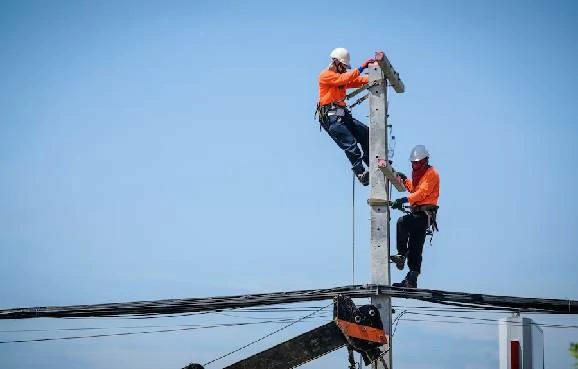
In the construction and industrial sectors, working at heights is an essential yet perilous task. Failure to adhere to Working at Heights regulations can have dire consequences for businesses in Ireland. This article delves into the potential legal penalties, financial losses, and reputational damage faced by companies that ignore essential safety protocols.
Understanding Working at Heights Regulations
Working at Heights regulations are designed to protect employees from the risks associated with performing tasks at elevated levels. These rules mandate that employers assess risks, provide adequate safety equipment, and ensure proper training. Compliance not only safeguards workers but also shields businesses from significant legal and financial repercussions.
Legal Penalties of Non-Compliance
The legal landscape in Ireland is strict when it comes to workplace safety. Non-compliance with Working at Heights regulations can lead to severe legal actions against the offending business, including:
- Fines: Businesses may face substantial fines imposed by regulatory bodies for safety violations. These fines can escalate with repeated infractions.
- Prosecution: In egregious cases of negligence, employers may be prosecuted and could face criminal charges, which could lead to imprisonment for responsible parties.
- Civil Lawsuits: If an employee is injured due to non-compliance, they may file a civil lawsuit seeking damages, further increasing the business's financial burden.
Financial Consequences: Beyond Fines and Lawsuits
In addition to direct penalties, non-compliance can lead to significant financial losses, including:
- Increased Insurance Costs: Insurance premiums may rise dramatically following an accident or violation, affecting a business's operational budget.
- Worker Compensation Claims: Companies may face copious amounts in worker’s compensation claims if safety protocols are not followed, creating a drain on resources.
- Operational Downtime: Non-compliance often leads to work stoppages during investigations or after accidents, leading to revenue losses.
Real-Life Examples: Companies Facing Consequences
Consider the case of a construction company operating in Dublin that overlooked the need for fall protection measures while undertaking a high-rise project. After a worker suffered serious injuries due to a fall, an investigation unveiled multiple safety violations. The resulting fines exceeded €50,000, alongside a rise in insurance premiums and legal costs due to lawsuits filed by the injured worker.
Another prominent case involved a facility in Cork where inadequate training led to a dangerous incident during maintenance at height. The Health and Safety Authority (HSA) flagged the business for regulatory breaches, ultimately imposing heavy fines and forcing the company to undertake comprehensive safety audits and retraining programs.
The Cost of a Poor Safety Culture
These instances highlight that the true cost of ignoring Working at Heights regulations extends beyond immediate financial penalties. A poor safety culture can lead to:
- Reputational Damage: Companies noted for safety violations can suffer long-term harm to their public image, impacting customer trust and future business opportunities.
- Employee Morale: Workers in unsafe environments may feel undervalued or fearful, leading to decreased productivity and higher turnover rates.
Best Practices for Compliance with Working at Heights Regulations
To mitigate risks, organizations should adopt the following best practices:
- Regular Training: Implement Working at Heights Training for all employees, ensuring they are aware of safety protocols and emergency procedures. Online training options, such as a Working at Heights Course Online, can provide flexibility.
- Conduct Safety Audits: Regularly review workplace safety standards and conduct thorough audits to identify potential hazards.
- Utilize Certified Training Programs: Enroll in Working at Heights Certification courses to ensure compliance with the latest regulations and boost employee confidence.
Investing in Safety: A Win-Win Situation
Investing in comprehensive safety training, such as the Working at Heights Safety Course, protects employees and safeguards businesses from potential legal actions. Companies that prioritize safety not only create a secure working environment but also enhance their reputation and operational efficiency. Working with certified trainers and implementing ongoing education can dramatically reduce the chances of costly accidents.
Conclusion
Ignoring Working at Heights regulations is not an option for prudent businesses. The consequences of non-compliance range from heavy fines and legal actions to long-term reputational damage and financial losses. By investing in Working at Heights Certification Ireland and ensuring every employee receives adequate training, businesses can protect their workforce and maintain compliance with safety regulations.
Are you ready to safeguard your business and ensure compliance? Contact us today at [email protected] for more information on our Certified Working at Heights Training options. Don't wait until it's too late—put safety first!