The Importance of Manual Handling Training ie for Nurses in Ireland ie
In healthcare settings, the safety of both staff and patients is paramount. Manual handling practices are a significant aspect of maintaining this safety, particularly for nurses and other healthcare workers who frequently engage in lifting, transferring, and repositioning patients. This blog post delves into why manual handling training ie is indispensable for healthcare professionals in Ireland.
Understanding Manual Handling ie
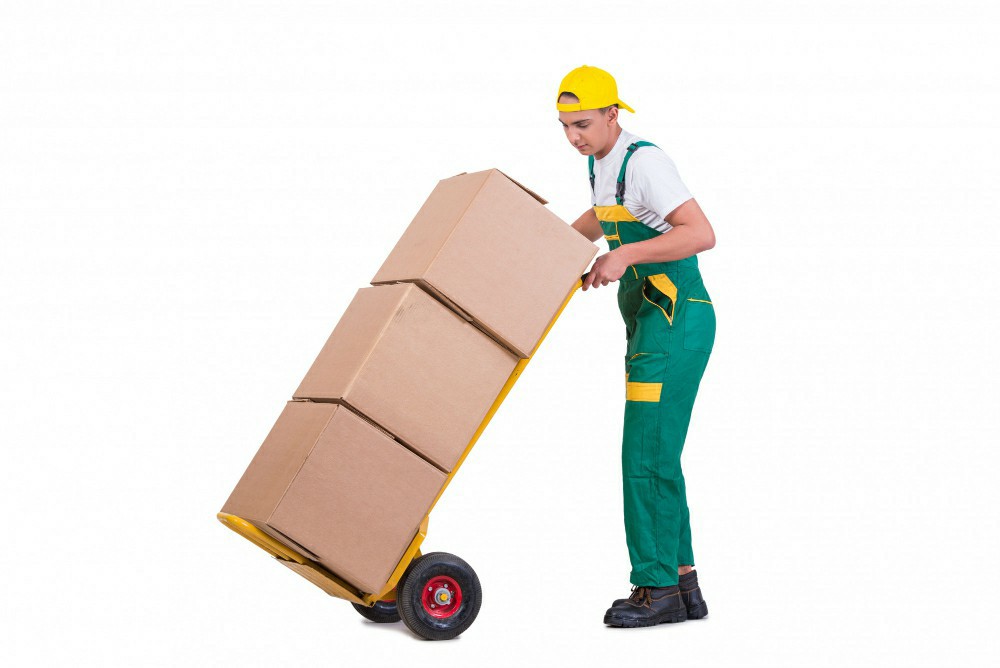
Manual handling refers to any transporting or supporting of a load by hand or bodily force. In Ireland, manual handling safety ie is a critical component of occupational health and safety regulations. For healthcare professionals, it encompasses techniques for lifting, holding, pushing, pulling, and carrying patients safely.
Why Manual Handling Training ie is Essential
Healthcare workers face unique challenges that necessitate specialized training. Here are several reasons why manual handling certification ie is vital:
- Injury Prevention: Improper manual handling can lead to serious physical injuries, including musculoskeletal disorders. Training equips staff with the necessary skills to avoid common pitfalls.
- Enhanced Patient Safety: Ensuring safe lifting techniques also enhances patient safety. Proper techniques minimize risk during patient transfers and reduce the chance of accidents.
- Regulatory Compliance: Healthcare facilities must adhere to strict health and safety regulations. Having certified staff can help ensure compliance and reduce liability.
- Increased Confidence: Training instills confidence in healthcare workers, allowing them to perform physical tasks effectively without fear of injury.
Benefits of Manual Handling Training ie for Nurses
Nurses, in particular, can greatly benefit from manual handling training ie. Here are some specific advantages:
- Better Patient Outcomes: Trained staff can perform maneuvers that are safer for patients, improving overall outcomes.
- Improved Team Collaboration: Training often includes team-based approaches, which foster collaboration and communication among healthcare personnel.
- Long-term Career Health: A workforce educated in manual handling practices is likely to experience fewer injuries, allowing healthcare professionals to maintain longer, healthier careers.
- Adapting to New Patients: With diverse patient needs, training helps nurses adapt manual handling techniques to individual situations effectively.
Choosing the Right Manual Handling Course ie
When selecting a manual handling course ie for your team, consider the following:
- Certification: Ensure the course offers recognized certification upon completion.
- Content Relevance: The training should focus on healthcare-specific scenarios and techniques.
- Delivery Method: Choose from manual handling online courses ie or in-person training based on the specific needs of your team.
- Expert Instructors: Verify that instructors are qualified and experienced in manual handling within healthcare settings.
Online Manual Handling Course ie Options
For busy healthcare professionals, flexible training options are crucial. Manual handling online course ie formats offer the convenience of learning at one's pace while still providing comprehensive instruction. These courses often include:
- Interactive Content: Engaging modules with visuals and quizzes.
- Assessments: Methods to evaluate knowledge retention and understanding.
- Accessibility: Flexible access to course material from any device.
Conclusion
Investing in certified manual handling training ie is not just a regulatory requirement; it’s a commitment to the well-being of both healthcare workers and patients. For those in Ireland, particularly in cities like Dublin ie, Cork ie, and Galway ie, exploring options for comprehensive training is essential. For further information or to enroll in a course, contact us at [email protected] or visit Irish Manual Handling.