


The Lifesaving Importance of First Aid & CPR Training: Elevating Workplace Safety in Ireland
In today’s fast-paced work environment, ensuring the safety and well-being of employees isn’t just a requirement; it’s a responsibility. Completing a First Aid and CPR training course is vital for employers and employees alike. This article will delve into the key advantages of obtaining a First Aid Certification and how these essential skills can transform emergency responses at your workplace.
Why First Aid and CPR Training Are Essential for Workplace Safety
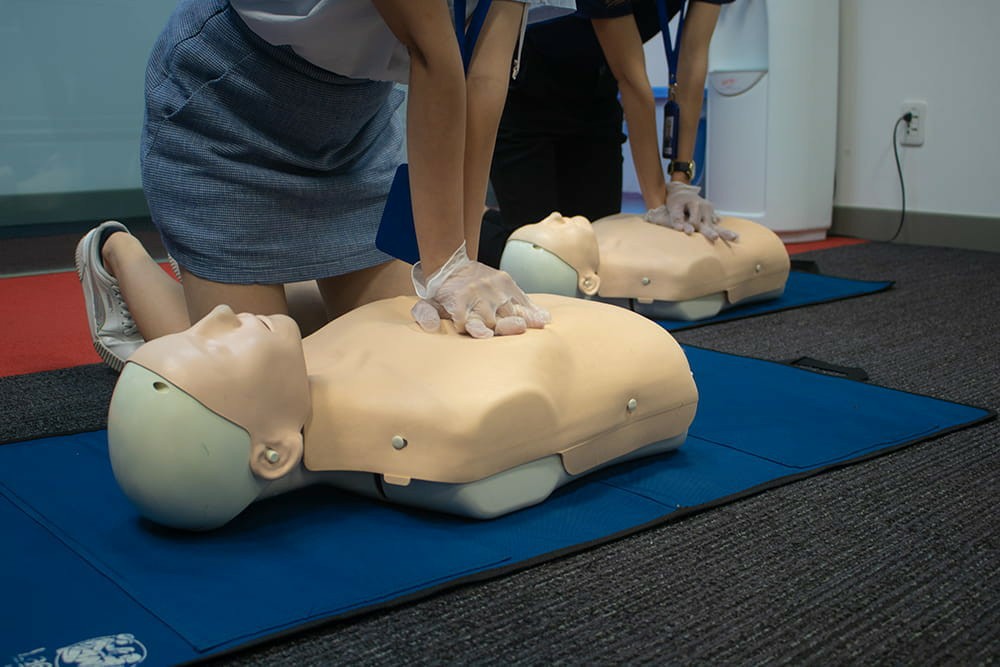
First Aid and CPR training equip individuals with the knowledge and skills necessary to respond effectively in medical emergencies. Employees trained in basic life-saving skills can react swiftly, which can be the difference between life and death. Furthermore, knowing how to perform CPR and handle emergency situations promotes a culture of safety within the workplace, boosting morale and confidence among staff.
Top Benefits of First Aid Certification for Your Team and Organization
- Reduced Workplace Injury Rates: First Aid training offers a framework for preventing injuries and responding effectively to incidents.
- Enhanced Compliance with Irish Health & Safety Regulations: Organizations that prioritize First Aid training demonstrate their commitment to employee safety, complying with necessary legal standards.
- Improved Emergency Response Protocols: Employees trained in workplace emergency procedures can respond to situations seamlessly, ensuring that accidents are managed efficiently.
- Increased Employee Confidence: Having trained staff instills confidence, allowing employees to perform their tasks without fear in case of emergencies.
Essential CPR Skills Every Employee Should Know for Emergencies
The skills acquired during a CPR & First Aid Certification course are invaluable. Employees learn critical techniques, such as:
- CPR Techniques: Understanding when and how to perform CPR can save lives.
- Choking Relief: Training includes methods for assisting choking individuals, which is a common workplace emergency.
- How to Use an AED: Familiarity with Automated External Defibrillators (AEDs) can significantly increase survival rates during cardiac emergencies.
Understanding Irish Workplace First Aid Requirements and Regulations
In Ireland, the Health and Safety Authority (HSA) outlines specific requirements for workplaces regarding First Aid. Businesses are mandated to assess their First Aid needs based on:
- Workplace hazards
- The number of employees
- Emergency response protocols
Being compliant with these regulations not only enhances safety but also protects your organization from legal repercussions.
Critical Steps for Emergency Medical Response in the Workplace
During an emergency, knowing the steps to take can significantly affect outcomes. The key steps include:
- Assess the situation for dangers.
- Check the condition of the victim.
- Call emergency services if necessary.
- Provide First Aid as trained until help arrives.
Choosing the Right First Aid Training: Online vs. Traditional Courses
With the rise of digital learning, many organizations now offer online First Aid courses featuring flexible schedules. While in-person classes provide hands-on experience, online options are more accessible, allowing individuals to learn at their own pace. Selecting the right format depends on your organization's specific needs and preferences.
Creating an Effective Workplace Emergency Response Plan
Implementing a robust workplace emergency response plan ensures preparedness for various scenarios. Key components include:
- Regular training sessions and drills
- Clear communication channels for emergencies
- Designated First Aid officers
Conclusion & Call to Action
Prioritizing First Aid and CPR training is not just beneficial; it is crucial for the well-being of your employees and compliance with Irish regulations. Take the proactive step today and enroll your team in First Aid & CPR training courses to enhance workplace safety and confidence. For inquiries, feel free to reach us at [email protected].



































