The True Cost of Ignoring Working at Heights Safety Regulations in Ireland
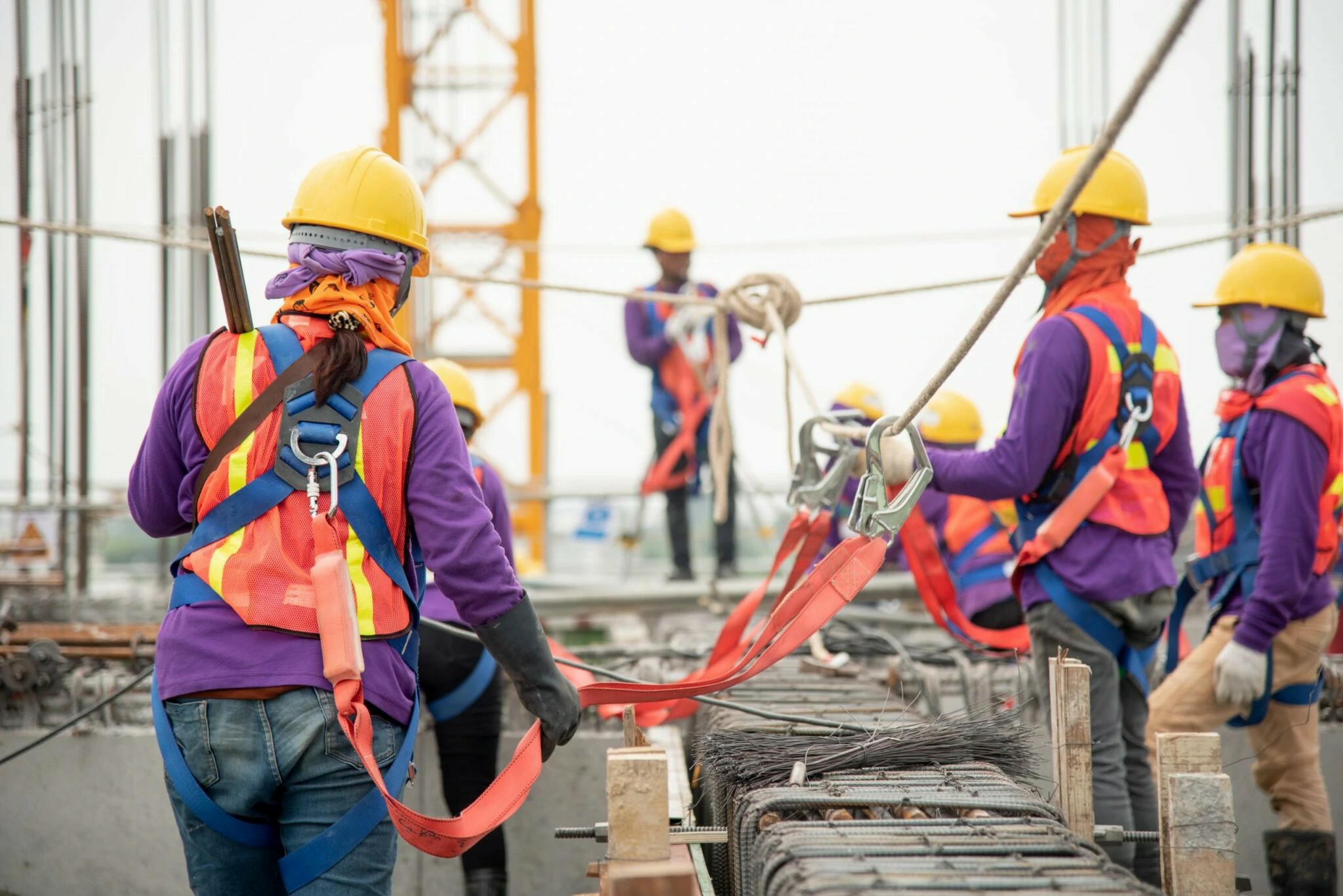
In the ever-evolving landscape of workplace safety, compliance with Working at Heights regulations is paramount for businesses operating in Ireland. From construction sites to maintenance tasks, the risks associated with working at elevations can lead to serious incidents if not addressed properly. Failing to comply with these regulations not only endangers employees but also exposes businesses to significant legal, financial, and reputational risks.
Understanding Working at Heights Regulations
The Working at Heights regulations in Ireland are designed to minimize the risk of falls and injuries associated with tasks performed at elevated levels. These regulations require businesses to assess risks, provide proper training, and implement safety measures to protect workers. Ignoring these requirements can have dire consequences.
Legal Consequences of Non-Compliance
Violating Working at Heights regulations can result in extensive legal repercussions. Businesses may face:
- Heavy Fines: The Health and Safety Authority (HSA) enforces strict penalties for non-compliance, which can reach thousands of euros depending on the severity of the violation.
- Prosecution: Serious breaches can lead to criminal charges against business owners or managers, potentially resulting in imprisonment.
- Civil Lawsuits: Businesses may be held liable for injuries or fatalities arising from a fall, leading to costly legal battles.
Real-World Examples of Legal Failures
Numerous businesses have faced dire effects due to negligence in complying with safety regulations:
- Construction Company A: After a worker fell from a height due to inadequate safety measures, the company faced a fine of €50,000 and was also hit with a civil lawsuit resulting in payouts exceeding €200,000.
- Maintenance Firm B: A serious incident involving a lack of fall protection led to the prosecution of the owner, who received a 12-month prison sentence after the HSA identified multiple violations during an inspection.
Financial Implications of Non-Compliance
In addition to legal penalties, the financial repercussions of failing to comply with Working at Heights regulations can be crippling:
- Increased Insurance Premiums: Insurers may raise premiums significantly for non-compliant businesses, viewing them as higher risk.
- Loss of Revenue: Businesses may need to halt operations or face project delays while rectifying compliance issues, ultimately losing income.
- Rework Costs: If a safety incident occurs, redoing work affected by compliance issues can be expensive.
Case Study: Financial Fallout from Non-Compliance
Consider a mid-sized construction firm that ignored recommended safety protocols for working at heights. A tragic fall resulted in a serious injury, leading to compensation claims that exceeded €500,000. Furthermore, the company saw its insurance rates double the following year, significantly impacting profitability.
Reputational Damage
Reputation is another critical factor at risk. A business that experiences safety issues can suffer long-term damage to its brand:
- Loss of Trust: Clients, customers, and partners may hesitate to work with a company known for safety violations.
- Negative Publicity: Media coverage of accidents often highlights a company’s non-compliance, causing lasting damage to its image.
- Competitive Disadvantage: Companies with a solid safety culture are often preferred by clients, leading to lost contracts.
How Training and Certification Can Help
Investing in certified Working at Heights training is a proactive step every business should take. Such training:
- Ensures employees are knowledgeable about safety protocols.
- Reduces the likelihood of accidents and injuries.
- Demonstrates a commitment to workplace safety, enhancing reputation and compliance.
Working at Heights Course Options
Businesses can opt for various formats of safety training:
- Working at Heights Course: Comprehensive in-person training.
- Working at Heights Online Course: Flexible options for employers and employees.
Conclusion: Invest in Safety Today
Failing to comply with Working at Heights regulations can lead to severe legal, financial, and reputational consequences for businesses in Ireland. The costs of non-compliance far outweigh the investment in safety training and appropriate measures. By prioritizing Working at Heights safety and ensuring employees receive working at heights certification, businesses can protect not only their employees but also their bottom line.
To learn more about how your business can integrate essential safety training, consider exploring our Working at Heights Safety Course or contact us at [email protected].