The Vital Role of Manual Handling Procedures Training for Healthcare Professionals in Ireland
In the fast-paced world of healthcare, the safety of both patients and staff is paramount. One critical component of maintaining this safety is effective manual handling. Manual handling procedures training ensures that healthcare professionals are well-equipped to perform their duties without risking injury to themselves or those they care for.
Understanding Manual Handling Procedures
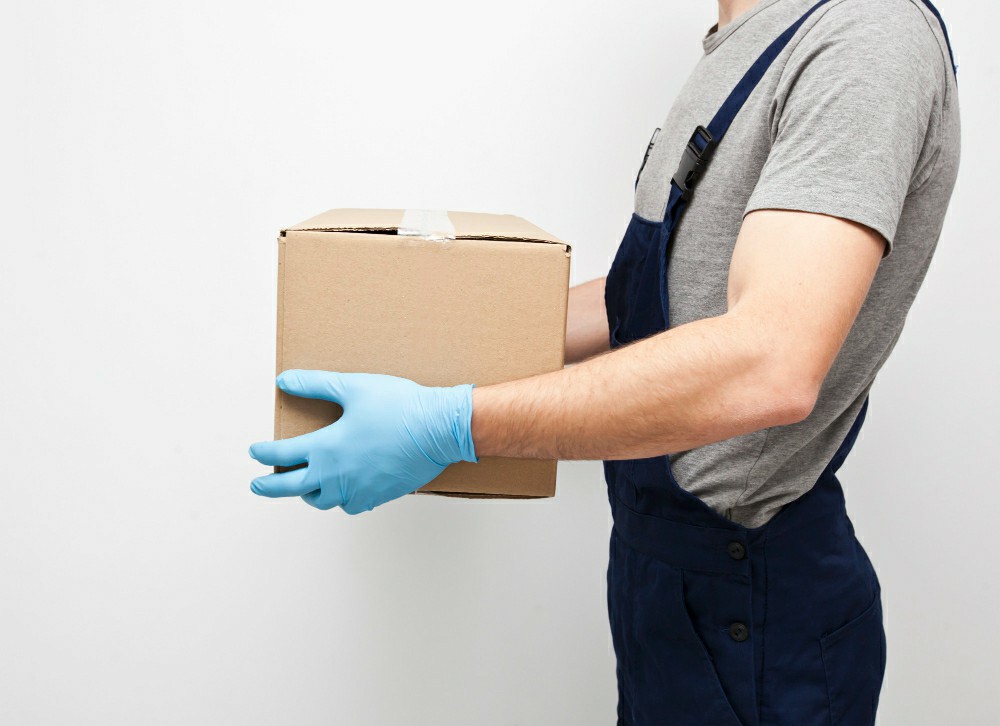
Manual handling refers to the process of lifting, carrying, pushing, pulling, or moving objects. In healthcare settings, this often involves lifting patients safely. When done incorrectly, manual handling can lead to serious injuries, including musculoskeletal disorders (MSDs) that can sideline healthcare workers for extended periods.
Why Is Training Essential?
Training in manual handling procedures is essential for several reasons:
- Compliance with Legislation: In Ireland, the Safety, Health and Welfare at Work Act mandates that employers provide training to reduce risks associated with manual handling. Proper certification helps organizations comply with legal requirements.
- Reducing Injuries: Studies show that proper training significantly lowers the incidence of workplace injuries. When employees understand safe manual handling techniques, both they and their patients are protected from harm.
- Enhancing Workplace Morale: A safe workplace leads to higher job satisfaction and retention rates. When employees know they are protected through proper training, it boosts morale and productivity.
The Benefits of Certified Manual Handling Procedures Training
Healthcare workers, including nurses, caregivers, and support staff, stand to gain immensely from certified manual handling procedures training:
- Hands-On Practice: Training enables professionals to practice techniques in a controlled environment, ensuring they can apply their knowledge confidently in real-world situations.
- Improved Communication: Trained staff are better able to communicate about manual handling processes, fostering teamwork and collaboration in patient care.
- Adaptability: Each patient is unique. Training equips staff to adapt their handling methods according to the individual needs of their patients.
- Continued Professional Development: Training programs often cover not only the basics of manual handling but also advanced techniques, contributing to ongoing professional growth.
How to Choose the Right Training Program
When looking for the best manual handling procedures training in Ireland, consider the following criteria:
- Certification: Ensure the program you choose offers certification that is recognized in Ireland.
- Online Training Availability: Check if the training can be completed online, providing flexibility for busy health workers in cities like Dublin, Cork, and Galway.
- Instructor Qualifications: Look for trainers with extensive experience in manual handling and a strong background in healthcare.
- Reviews and Testimonials: Research feedback from past participants to gauge the effectiveness and relevance of the training program.
Conclusion
In conclusion, manual handling procedures training is not just a regulatory obligation; it is a vital investment in the safety and well-being of healthcare professionals and their patients. Certified training equips staff with the skills they need to perform their roles safely and effectively.
If you are interested in learning more about certified manual handling procedures training in Ireland, explore our offerings or reach out to us at [email protected]. Ensure your team is trained and prepared for the challenges they face every day!