Top Mistakes Workers Make with Abrasive Wheels and How to Prevent Them Through Training
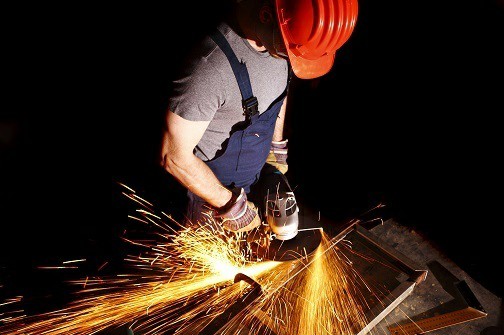
Abrasive wheels are essential tools in many industries, from construction to manufacturing. However, their improper use can lead to severe accidents and health hazards. In cities like Dublin, Cork, Galway, and Limerick, it is crucial for workers to be adequately trained to handle these tools safely. In this article, we will explore the most common mistakes workers make when using abrasive wheels and how proper training can prevent them.
Understanding the Risks Associated with Abrasive Wheels
Before delving into the mistakes, it’s important to understand the inherent risks when using abrasive wheels. According to safety protocols, abrasive wheels can shatter if not used correctly, leading to serious injuries. Consequently, lack of awareness and training are paramount causes of these accidents.
Common Mistakes Made When Using Abrasive Wheels
1. Incorrect Installation of Abrasive Wheels
One of the most frequent mistakes workers make is incorrectly installing abrasive wheels. Failure to properly secure these tools can result in them breaking during operation, causing debris to fly at high speeds. For example, in a recent incident in Galway, a technician did not follow proper mounting procedures, leading to a wheel explosion that injured two workers.
2. Lack of Personal Protective Equipment (PPE)
The absence of essential PPE is another common mistake. Workers often neglect to wear safety goggles, gloves, or protective clothing while operating abrasive wheels. In Limerick, a worker suffered significant eye injuries during a project simply because he wasn’t wearing appropriate eye protection while using an unguarded machine.
3. Insufficient Equipment Inspections
Many workers fail to conduct pre-operation inspections of their abrasive wheel equipment. Skipping this step can mean overlooking cracks or defects that could lead to accidents. For instance, a company in Waterford faced severe penalties when a defective wheel shattered during use, injuring an employee.
4. Not Following Manufacturer Guidelines
Each abrasive wheel comes with specific guidelines from the manufacturer regarding its use. Ignoring these can lead to improper operations and potential hazards. In Dublin, construction teams often overlook compatibility between their machines and wheels, leading to malfunctions.
5. Lack of Risk Assessment
Prior to using abrasive wheels, conducting a thorough risk assessment is vital. Unfortunately, many workers skip this crucial step. In Cork, a workshop faced a workplace incident when a busy employee decided to use an abrasive wheel without assessing the surroundings for potential hazards.
How Training Can Mitigate These Mistakes
Proper training is essential to minimize the errors associated with abrasive wheel handling. By enrolling employees in a Certified Abrasive Wheels Training program, companies in Dublin, Cork, Galway, Limerick, and Waterford can enhance workplace safety.
1. Comprehensive Education on Installation and Set-up
A robust training course includes detailed instructions on how to properly install and set up abrasive wheels. Certified trainers emphasize the importance of securing equipment correctly and aligning it with manufacturer specifications.
2. Emphasizing the Use of PPE
Effective safety training educates employees on the importance of PPE. Workers learn the specific types of protective gear necessary for abrasive wheel usage, significantly reducing the chance of severe injuries.
3. Implementing Regular Equipment Inspections
Training programs highlight the need for regular inspections before operation. Workers learn how to identify potential issues before they escalate into dangerous situations, fostering an environment of safety and diligence.
4. Understanding Manufacturer Guidelines
Training provides explicit understanding of manufacturer guidelines, ensuring that workers are familiar with proper usage and handling protocols that prevent operational errors.
5. Conducting Rigorous Risk Assessments
Training instills the habit of conducting thorough risk assessments before using abrasive wheels. It teaches employees how to identify and mitigate potential risks in their work environment.
Conclusion
Proper training is the key to reducing workplace accidents associated with abrasive wheels. By addressing common mistakes and putting in place effective training measures, businesses in Dublin, Cork, Galway, Limerick, and Waterford can ensure the health and safety of their employees. Don't wait for incidents to happen—enroll your team in an Abrasive Wheels Course in Ireland today!
For more information on courses available in your area, please contact us at [email protected].